


The pursuit of the perfect espresso shot often leads baristas down a path of refining established variables: dose, grind, temperature, and pressure. Traditional espresso is typically defined by high pressure, around 9 bars, and a relatively short extraction time. However, for users of manual and pressure-profiling machines, a different territory awaits exploration. Long, low-pressure extractions offer a method for achieving exceptionally high yields while avoiding the bitterness and astringency that often accompany over-extraction in conventional shots. This technique fundamentally changes the dynamics of solubility and contact time, producing a cup that is often sweeter, more balanced, and texturally unique. For the experienced home barista, mastering this method unlocks a new dimension of control and flavor potential from their coffee.
The mechanics of low-pressure, high-yield brewing
In a standard espresso extraction, high pressure forces water through a finely ground coffee puck, quickly dissolving soluble compounds. This process is efficient but aggressive. If pushed too far to achieve a higher yield, the puck structure can break down, leading to channeling and the extraction of bitter, astringent compounds. Lowering the pressure to a peak of around 5–7 bars fundamentally alters this dynamic. Water flows through the puck with less force, reducing the risk of fracturing the coffee bed. This gentle flow allows for a much longer contact time without introducing significant channeling. Consequently, a coarser grind is required to facilitate this extended duration, which in turn changes which compounds are extracted and at what rate. The goal is to maximize the dissolution of desirable solids (sugars and acids) while minimizing the extraction of undesirable ones (bitter compounds).
A comparative look at extraction parameters
To understand the practical differences, it is useful to compare a traditional espresso recipe with a long, low-pressure shot. The latter pushes every variable into unconventional territory, demanding a complete recalibration of a barista’s approach. While specific parameters depend heavily on the coffee and equipment, the following table illustrates a typical starting point for both methods.
| Parameter | Traditional Espresso | Long Low-Pressure Shot |
|---|---|---|
| Dose | 18g | 18g |
| Grind Size | Fine | Medium-Fine (Coarser than espresso) |
| Peak Pressure | 9 bar | 5–7 bar |
| Total Time | 25–35 seconds | 60–90+ seconds |
| Yield Ratio | 1:2 – 1:2.5 (36–45g) | 1:3 – 1:5 (54–90g) |
Executing the long-pressure profile
Successfully pulling a high-yield, low-pressure shot requires careful management of the pressure curve. The process can be broken down into distinct phases:
- Pre-infusion: This stage is critical. A long, gentle pre-infusion at very low pressure (1–2 bars) is needed to fully saturate the coarser coffee grounds. This may last 15–25 seconds, or until the first drops appear at the bottom of the basket. Proper saturation ensures the puck is stable and prepared for the next phase.
- Ramp-up: Slowly and smoothly increase the pressure to your peak target, typically between 5 and 7 bars. A rapid ramp-up can disturb the puck and should be avoided. The goal is to build pressure over 5–10 seconds.
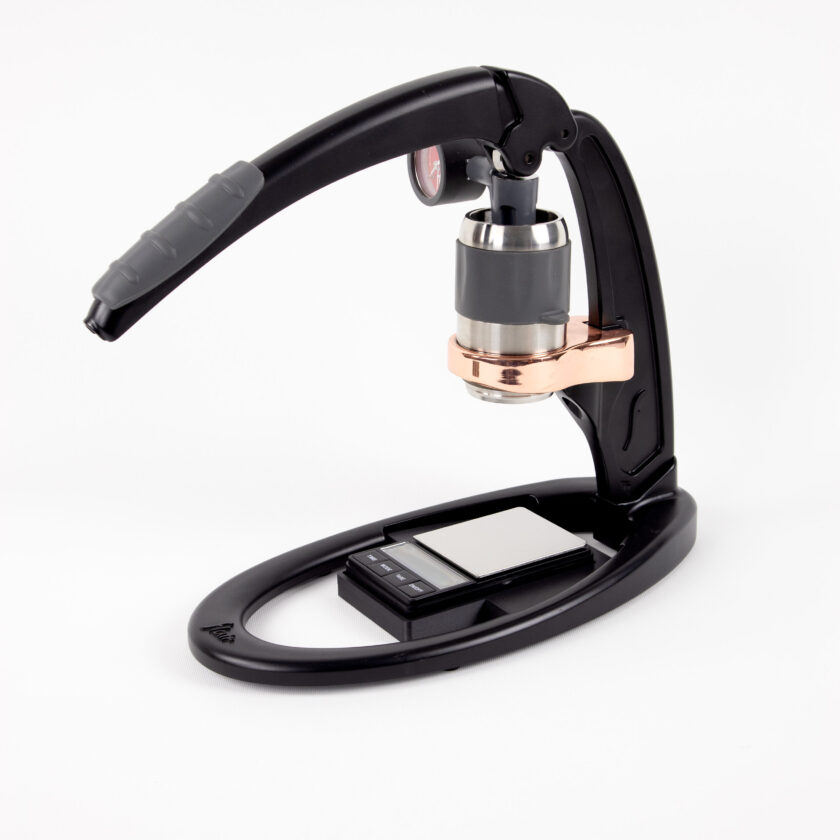
- Peak and Decline: Hold the peak pressure just long enough to establish a steady flow. As the shot progresses and the puck erodes, the pressure should naturally decline. On a manual lever machine, this is an inherent part of the process. On other machines, you may need to manually taper the pressure down to maintain a consistent, gentle flow rate and avoid creating channels late in the extraction.
Dialing in for flavor and balance
The flavor profile of a long, low-pressure shot is markedly different from traditional espresso. It often presents with lower acidity, minimal bitterness, and a pronounced sweetness and complexity. The body is typically lighter, sometimes described as more “tea-like” in texture. When dialing in, the goal is to maximize this sweetness without introducing weakness or astringency. If the shot tastes watery or under-extracted, the first adjustment should be to grind finer. This will increase resistance and allow for more solids to be dissolved over the extended contact time. Conversely, if the shot has a dry, astringent finish, it indicates channeling or over-extraction of certain compounds. In this case, grinding coarser or reducing the peak pressure can help produce a more balanced result.
Conclusion
Exploring high-yield extractions with long, low-pressure shots is a rewarding exercise for the technically minded barista. It moves beyond conventional recipes and leverages the unique capabilities of manual and pressure-profiling espresso machines. By trading high pressure for extended contact time, this method allows for a deep and gentle extraction that unlocks a different spectrum of flavors from the coffee bean. The resulting cup is not a replacement for classic espresso but rather a distinct beverage in its own right, characterized by its sweetness, clarity, and unique texture. For those looking to push the boundaries of home espresso, the necessary tools and equipment for precise coffee preparation are available from retailers like papelespresso.com.