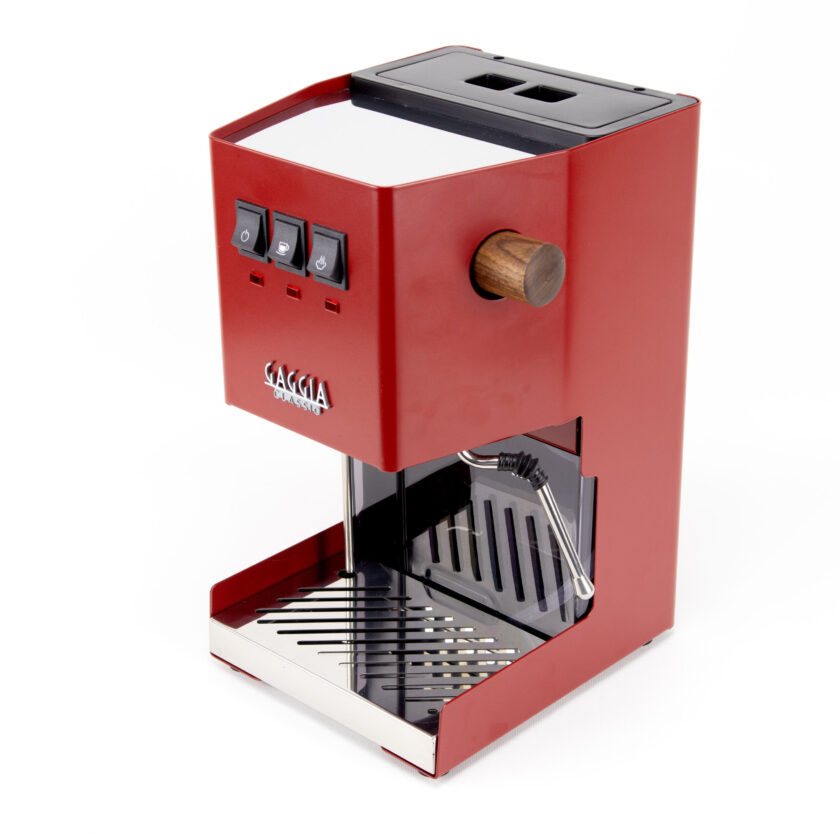
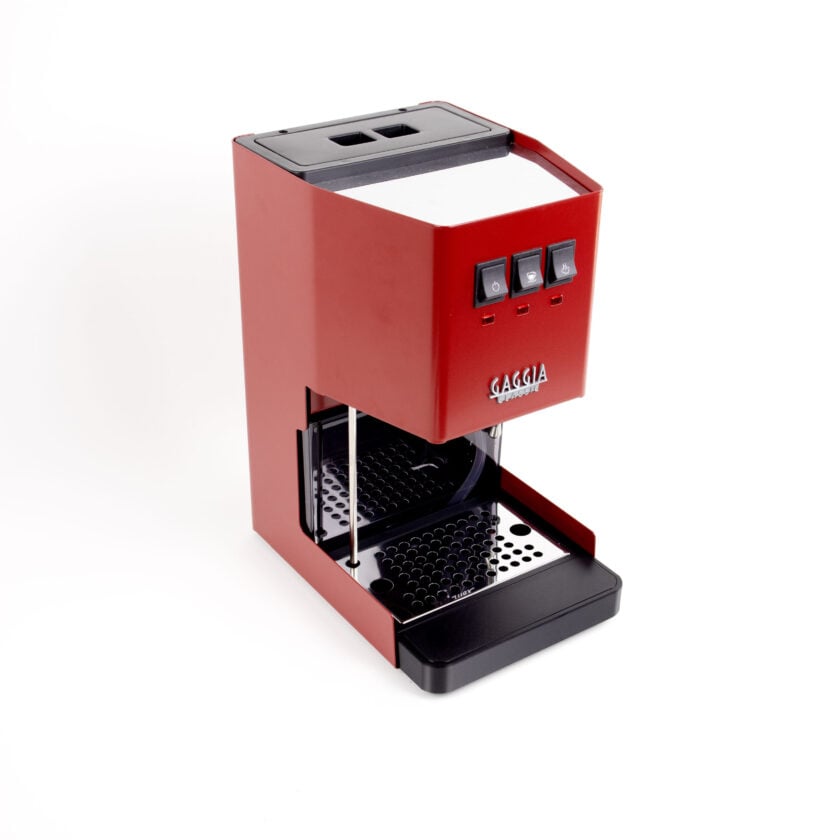



For the dedicated home barista, achieving a flawless espresso shot is a persistent goal. When using a capable machine like a Gaggia, control over the brewing process is paramount. However, this control also means that subtle errors in technique can lead to significant issues, most notably channeling. Channeling occurs when water finds a path of least resistance through the coffee puck, leading to uneven extraction. This results in a shot that is simultaneously sour and bitter, lacking the balanced sweetness and body that define a great espresso. Understanding the causes of channeling is not just about fixing a bad shot; it is about mastering the craft of espresso and unlocking the full potential of your Gaggia machine.
Diagnosing the problem: what channeling looks like
Before you can fix channeling, you must be able to identify it. The most obvious sign appears during the extraction itself. When using a bottomless portafilter, you can observe the process directly. Instead of a single, unified stream forming in the center of the basket, you may see multiple, erratic streams, or tiny jets of water spraying outwards. The extraction might start evenly, only to have blonding (the color of the stream turning a pale yellow) occur much faster in some areas than others. If you see these signs, the water is not flowing through the coffee bed uniformly. Even without a bottomless portafilter, a thin, fast-flowing shot that produces a crema with large, quickly dissipating bubbles is a strong indicator of channeling.
Puck preparation: the foundation of an even extraction
The vast majority of channeling issues originate from improper puck preparation. The goal is to create a coffee bed of uniform density, so that water is forced to flow through it evenly. Any inconsistencies will be exploited by the pressurized water from your Gaggia.
- Distribution: After grinding, coffee often forms clumps and is distributed unevenly in the portafilter basket. Simply tamping this mound will create a puck that is denser in the middle and less dense at the edges, a perfect recipe for channeling. A Weiss Distribution Technique (WDT) tool can be used to break up clumps and evenly distribute the grounds.
- Tamping: Your tamp should be firm, level, and consistent. An uneven tamp, where one side of the puck is more compressed than the other, creates a clear path for water to flow down the less-dense side. Focus on applying pressure straight down and ensuring the tamper is perfectly parallel to the rim of the basket. The amount of pressure is less important than its even application.
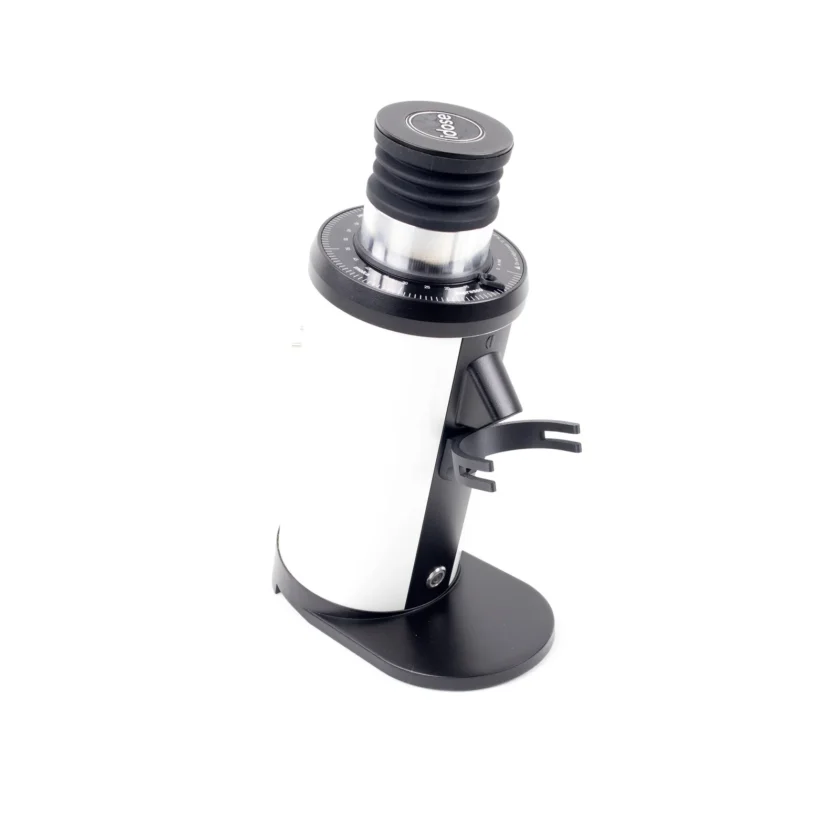
- Static and fines: Grinders can produce static, causing coffee grounds to cling to the grinder chute and fall unevenly into the basket. This can also lead to a disproportionate amount of fine particles in certain areas. These fines can clog pores in the puck, forcing water to find alternative routes and creating channels.
Mechanical factors: machine and equipment
While puck preparation is critical, your equipment can also contribute to channeling. With a machine like a Gaggia, which operates at a high pressure, small imperfections in the water path can have a significant impact.
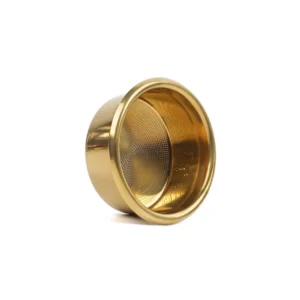
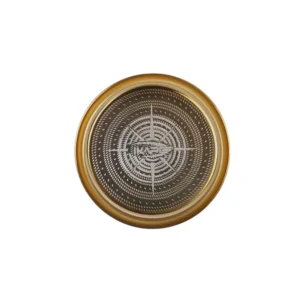
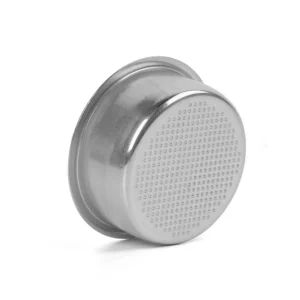
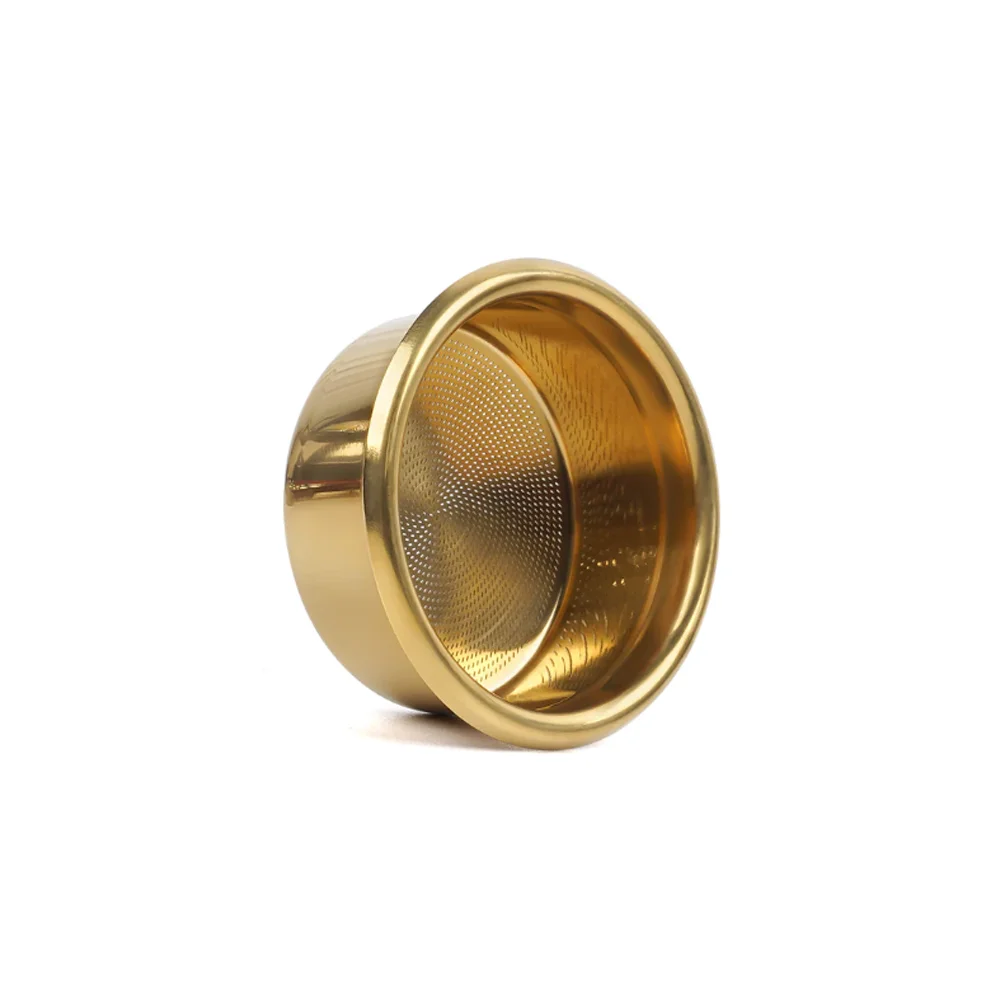
Start with the portafilter basket. Low-quality or damaged baskets may have inconsistently sized or clogged holes, which will inherently prevent an even flow of water. Similarly, a dirty shower screen, clogged with old coffee oils and scale, will disperse water unevenly onto the puck before extraction even begins. Regular cleaning and backflushing are essential maintenance tasks. Ensure the group head gasket is also clean and provides a proper seal; a faulty seal can cause water to leak down the sides of the portafilter.
Brewing parameters: pressure and temperature
Your Gaggia machine’s brewing parameters play a role in how forgiving it is to minor imperfections in your puck. Gaggia classics, for instance, are known for their high brew pressure, often set from the factory at 12 bars or more. While this pressure is capable of producing rich espresso, it is also highly effective at exploiting any weakness in your puck preparation. A lower pressure, often around the 9-bar standard, can be more forgiving and promote a more even extraction. Some users modify their machines to achieve this. Similarly, an unstable or incorrect brew temperature can affect the viscosity of the water and the solubility of the coffee, indirectly influencing the dynamics of the extraction and potentially worsening channeling.
Conclusion
Fixing channeling on your Gaggia espresso machine is a process of refinement and attention to detail. It begins with a careful diagnosis, followed by a methodical approach to puck preparation, which remains the single most important factor. Ensuring your equipment is clean and functioning correctly provides a stable foundation for your technique. By mastering distribution, tamping, and understanding the role of your machine’s parameters, you can eliminate the inconsistencies that cause channeling. This pursuit of an even extraction is fundamental to achieving the clarity, sweetness, and complexity that make manual espresso so rewarding. For those looking to refine their technique, quality preparation tools can be found at retailers like papelespresso.com.