


Is an Arduino mod worth the effort for casual home baristas?
The pursuit of a perfect espresso shot can lead experienced home baristas down a rabbit hole of equipment upgrades and intricate modifications. Among the most advanced of these is the integration of an Arduino microcontroller into a manual espresso machine. This modification promises ultimate control over brewing variables, from temperature stability to complex pressure profiles. But does this level of control justify the significant technical effort required? For the dedicated home barista who values consistency and precision, understanding the line between practical enhancement and obsessive tinkering is key. This article explores what an Arduino modification entails, its tangible benefits, the hurdles involved, and whether it is a worthwhile endeavor for those who are serious about their coffee but not necessarily looking for a new engineering hobby.
Understanding the Arduino modification
At its core, an Arduino is an open-source electronics platform that can be programmed to read inputs and control outputs. When applied to an espresso machine, it acts as a custom brain, capable of overriding or supplementing the machine’s native, often simplistic, controls. While many baristas are familiar with PID controllers for temperature regulation, an Arduino mod goes several steps further. It integrates multiple sensors and components into a single, programmable system.
A typical Arduino setup can manage:
- Temperature control: Using a thermocouple or RTD sensor, it provides highly accurate PID temperature management for both the brew boiler and steam thermostat, far exceeding the precision of most stock components.
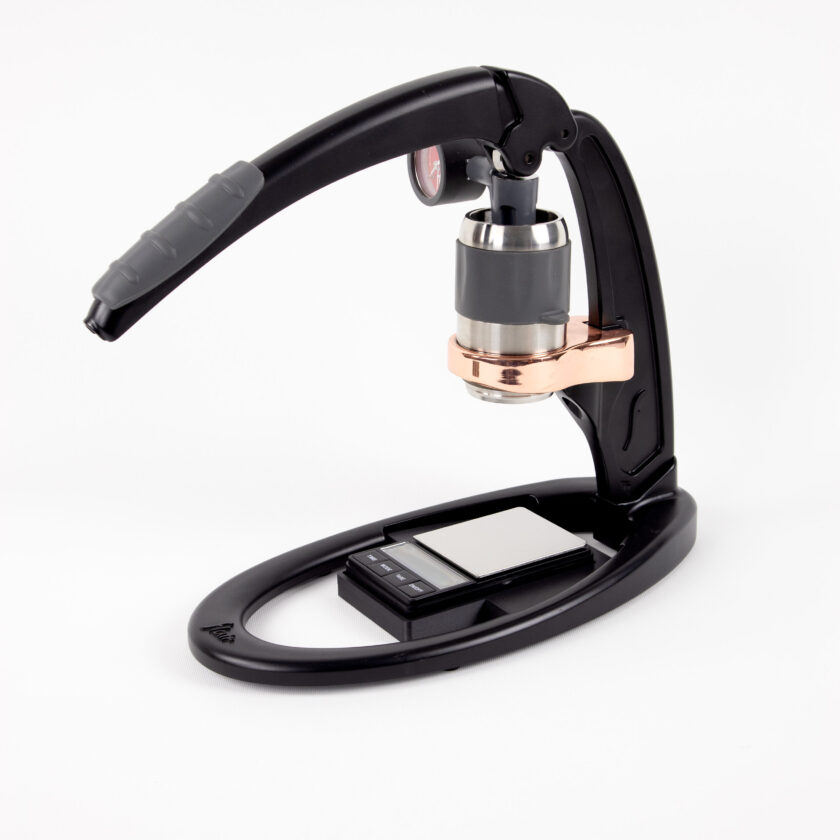
- Pressure and flow profiling: By controlling the machine’s pump via a solid-state relay (SSR), an Arduino can execute pre-programmed pressure profiles. This allows for complex shot recipes, such as low-pressure pre-infusion, a gradual ramp to full pressure, and a gentle taper toward the end of the shot.
- Gravimetrics and timing: When paired with a compatible scale, the system can automate shot timing and volume, stopping the extraction based on beverage weight for unparalleled consistency.
Essentially, the modification transforms a manual machine into a programmable device, allowing the user to design and perfectly replicate complex brewing sequences that would otherwise be impossible.
The practical benefits of granular control
The primary appeal of an Arduino mod is the ability to achieve a high degree of repeatability and influence over the final taste in the cup. The most significant benefit comes from pressure and flow profiling. The ability to manipulate the pressure throughout the extraction process allows a barista to highlight or suppress specific characteristics of a coffee. For instance, a long, low-pressure pre-infusion can help reduce channeling with finely ground, light-roast coffees, leading to a more even extraction and pronounced delicate flavors. Tapering the pressure at the end of a shot can minimize the extraction of bitter compounds, resulting in a sweeter, more balanced cup.
Beyond flavor manipulation, the gains in temperature stability are substantial. Many prosumer machines use simple thermostats with a wide temperature swing, known as a deadband. An Arduino-based PID can hold the brew water temperature to within a fraction of a degree, eliminating a major variable and ensuring that each shot is extracted under identical thermal conditions. When a successful profile is developed, it can be saved and executed flawlessly every time, removing human inconsistency from the equation and making it much easier to diagnose issues when dialing in a new coffee.
The technical challenges and required skills
The journey to a fully functional Arduino-controlled espresso machine is not a simple one. This is not a plug-and-play upgrade but a genuine engineering project that demands a specific skill set and a considerable time investment. The first hurdle is the hardware installation. This requires opening the machine and working directly with its high-voltage electrical systems, which carries an inherent risk of injury or damage to the machine if done improperly. The process involves wiring components like solid-state relays, pressure transducers, and temperature sensors, often in a cramped space.
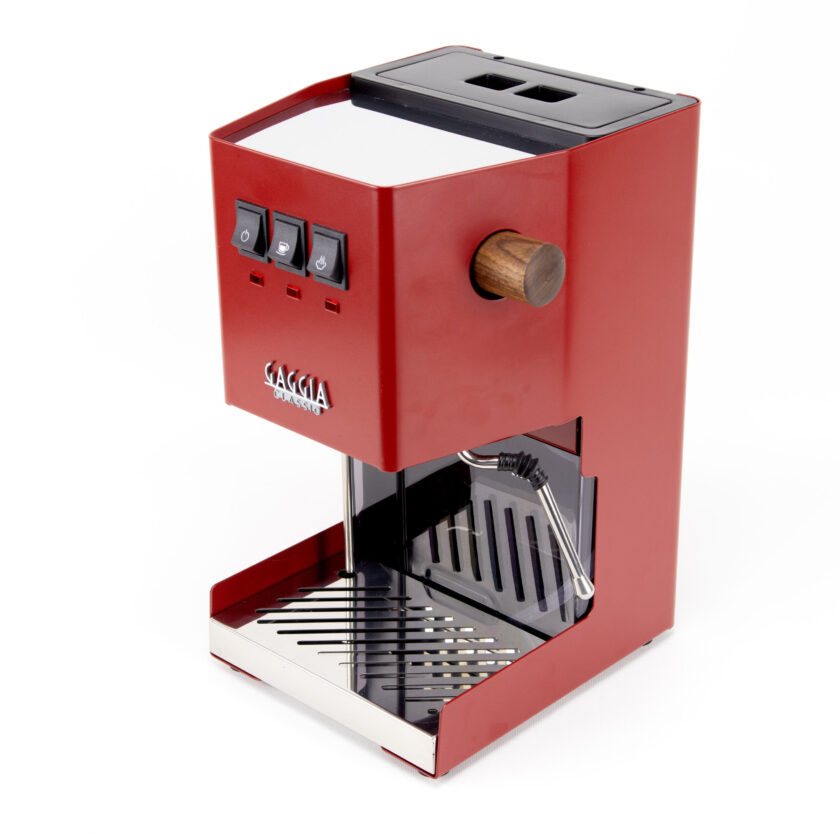
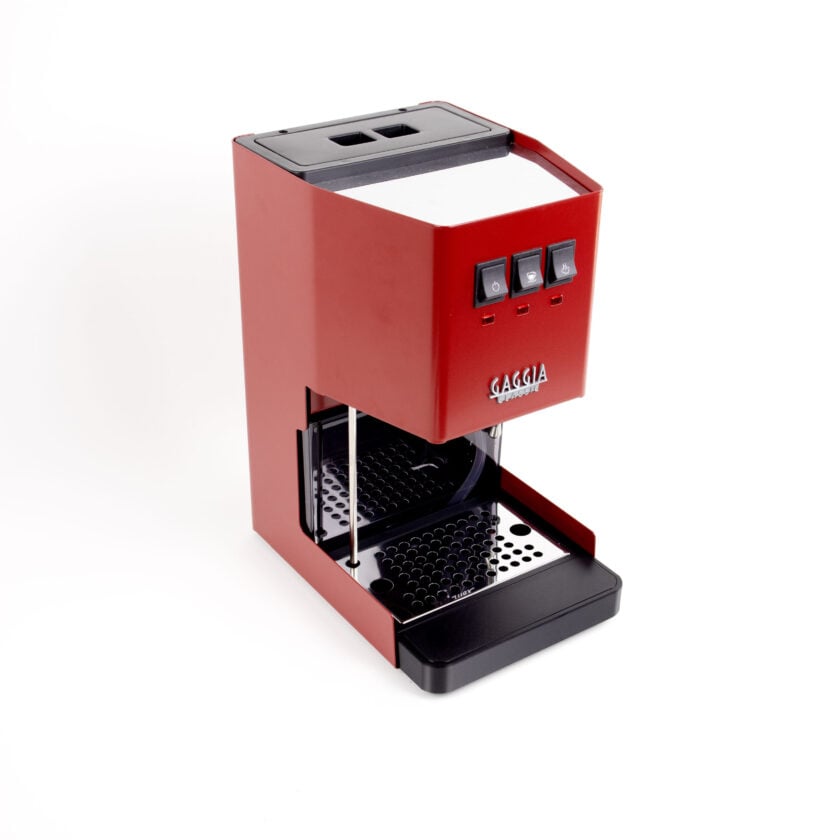
On the software side, the Arduino must be programmed. While a community of enthusiasts has developed open-source code for popular machines like the Gaggia Classic and Rancilio Silvia, this code often requires customization to fit a specific hardware setup. A basic understanding of C++ programming is highly beneficial for troubleshooting and modification. Furthermore, one of the most complex steps is tuning the PID algorithm itself. This involves adjusting proportional, integral, and derivative values through trial and error to ensure the system heats quickly without overshooting the target temperature, a process that can be both tedious and time-consuming.
Are there simpler alternatives?
Before committing to an Arduino project, it is worth considering that many of its benefits can be partially achieved through less invasive means. No amount of advanced machine control can compensate for poor puck preparation. A consistent grind, meticulous distribution, and a level tamp are foundational elements of good espresso. Mastering these fundamentals will yield a more significant improvement for most users than any machine modification.
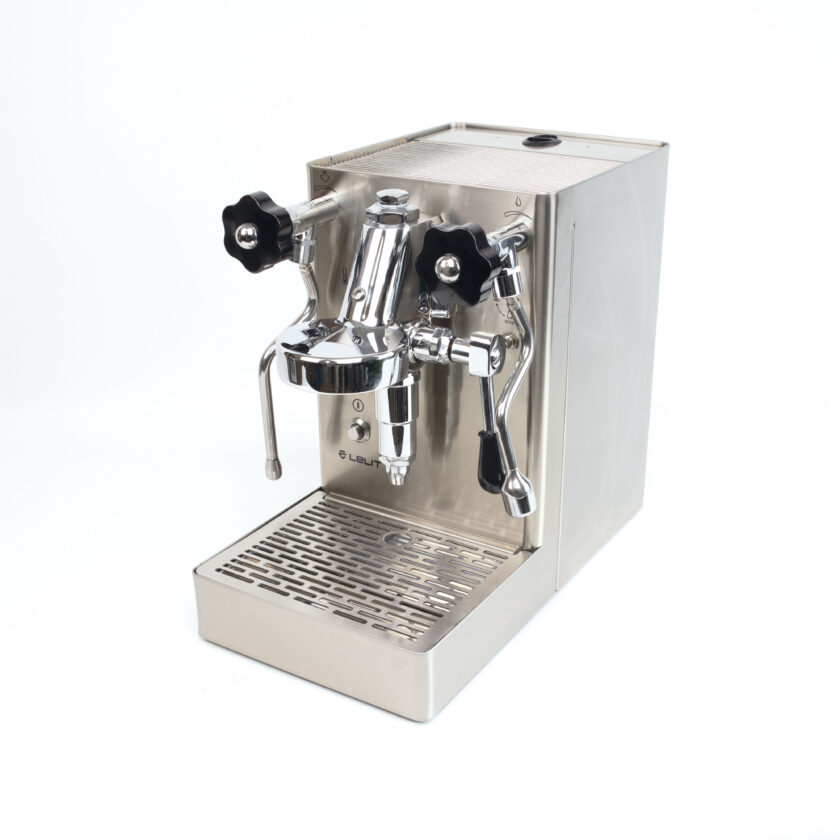
For those seeking better temperature stability without the complexity of a full Arduino build, installing a commercially available, pre-built PID kit is a much simpler alternative. These kits offer precise temperature control, addressing one of the biggest weaknesses of many machines, without requiring any programming or component sourcing. While a standalone PID does not offer pressure profiling, it provides a large portion of the consistency benefits with a fraction of the effort. Similarly, some machines with E61 group heads can be fitted with manual flow control devices, allowing the barista to perform a degree of profiling by hand, developing skill and intuition rather than relying on automation.
Conclusion
An Arduino modification offers the home barista a level of control over the brewing process that is rivaled only by high-end commercial machines. The ability to design, save, and flawlessly execute complex temperature and pressure profiles provides the ultimate platform for experimentation and repeatability. However, this power comes at a significant cost. The project requires a solid understanding of electronics, a willingness to learn basic coding, and a considerable investment of time and patience. It is a modification best suited for the dedicated hobbyist who finds as much joy in the process of tinkering as in the final cup.
For the majority of casual yet serious home baristas, the effort may not be justified. The path to better espresso is often paved with mastering the fundamentals of puck preparation and considering less complex upgrades like a standalone PID controller. By focusing on technique and using high-quality accessories, one can achieve exceptional consistency and flavor. For those interested in such foundational tools, retailers like papelespresso.com offer a curated selection designed to elevate the manual espresso experience.