Unlocking espresso perfection: The role of the gigleur in flow and extraction
For the dedicated home barista, the pursuit of the perfect espresso shot is a journey of endless tweaking and refinement. We obsess over grind size, weigh our doses to the tenth of a gram, and perfect our tamping technique. We understand that temperature and pressure are critical. Yet, hidden deep within the group head of many espresso machines lies a tiny, often-overlooked component that has a profound impact on the final cup: the gigleur. This small water jet restrictor is the unsung hero of flow control, directly influencing pre-infusion, pressure ramping, and the overall character of your extraction. This article will delve into the crucial role of the gigleur, explaining what it is, how it works, and how understanding it can elevate your home espresso from good to truly exceptional.
What is a gigleur and where is it located?
At its core, a gigleur (a French word for “jet” or “nozzle”) is a precision-drilled component designed to restrict the flow of water. Think of it as a carefully calibrated bottleneck in your espresso machine’s hydraulic circuit. Typically made from brass or, in higher-end applications, a synthetic ruby for its incredible hardness and resistance to scale buildup, the gigleur’s only job is to limit the volume of water that can pass through it per second. Its internal diameter is minuscule, often measuring between 0.5 and 0.8 millimeters.
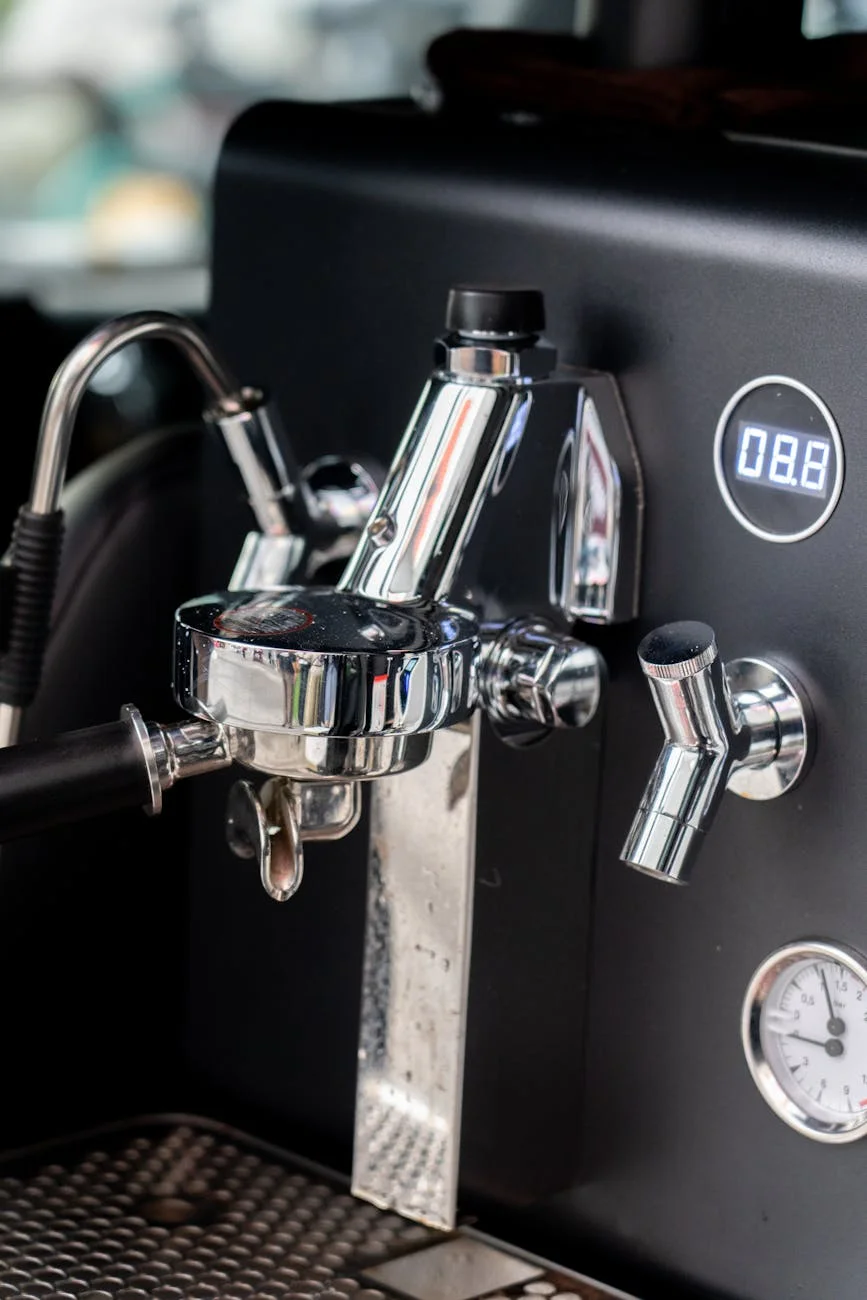
In many popular prosumer machines, especially those featuring the iconic E61 group head, the gigleur is located in the water path just before the dispersion screen. It sits at the top of the group head, right where hot water from the boiler enters the brewing chamber. While its location makes it invisible during normal operation, its effect is present in every single shot you pull. By controlling the speed at which water is introduced to the coffee puck, this simple part sets the stage for the entire extraction process.
The gigleur’s impact on pre-infusion and pressure ramping
The true magic of the gigleur lies in how it manipulates the initial phase of the espresso shot. When you lift the brew lever or press the brew button, the pump sends water rushing towards the group head at full pressure. Without a gigleur, this high-pressure water would slam into the dry coffee puck, potentially fracturing it and creating channels for water to bypass the grounds, leading to an uneven and poor-tasting extraction.
The gigleur prevents this by slowing things down. Here’s how it influences two critical stages:
- Gentle Pre-infusion: A smaller gigleur significantly reduces the initial flow of water. This allows the coffee puck to become gently and evenly saturated at a much lower pressure before the full nine bars of pressure are applied. This gentle wetting stage swells the coffee grounds, helps settle the puck, and drastically reduces the likelihood of channeling.
- Slower Pressure Ramping: Because the gigleur limits how quickly the space above the puck can fill with water, it also dictates how quickly the pressure builds. A smaller gigleur results in a slower, more gradual ramp-up to full extraction pressure. This soft start is much more forgiving of minor imperfections in puck preparation and helps to extract a wider range of delicate, sweet flavors from the coffee.
In essence, a machine with a well-chosen gigleur mimics the soft, forgiving characteristics of a classic lever espresso machine, giving the barista greater control over the initial, and most critical, seconds of the shot.
How gigleur size affects flow rate and taste
The diameter of the gigleur’s orifice is directly proportional to the flow rate of water into the group head. A change of just a tenth of a millimeter can have a dramatic effect on how your machine behaves and how your espresso tastes. This is where the home barista can truly begin to fine-tune their machine to suit their preferred coffee and brewing style.
A smaller gigleur (e.g., 0.5mm) creates a low-flow environment. This extends the pre-infusion and total shot time, which is ideal for extracting the complex, nuanced, and often acidic flavors found in modern light roasts. The extended contact time allows water to penetrate these dense, less soluble beans more effectively. The forgiving nature of a low-flow setup also helps prevent astringency and bitterness from channeling.
Conversely, a larger gigleur (e.g., 0.7mm or 0.8mm) creates a higher flow rate. This leads to a much faster pressure ramp and a more aggressive, rapid extraction. This style is often better suited for traditional, darker Italian-style espresso blends, where the goal is to quickly extract rich, chocolaty, and syrupy flavors while minimizing the extraction of any roasty or bitter notes. The higher flow demands more precise puck preparation to avoid channeling.
| Gigleur Diameter | Typical Free Flow Rate* | Extraction Characteristics & Ideal Coffee Profile |
|---|---|---|
| 0.5 mm | ~5-6 ml/s | Very gentle pre-infusion and slow pressure ramp. Forgiving and excellent for extracting delicate flavors from light roast, single-origin coffees. |
| 0.6 mm | ~7-8 ml/s | A balanced, all-around choice. Provides good pre-infusion with a moderate flow rate. Versatile enough for both medium and light roasts. |
| 0.7 mm | ~9-10 ml/s | Faster flow with a quicker pressure build-up. Closer to a traditional commercial machine feel. Best suited for medium-to-dark roasts and classic blends. |
*Flow rates are approximate and can vary based on machine pressure and design.
Should you change your gigleur?
For the enthusiast looking to push their espresso to the next level, changing the gigleur can be a rewarding and relatively inexpensive upgrade. If you find yourself consistently battling channeling despite flawless puck prep, or if you’ve shifted your coffee preference from dark roasts to light roasts, a smaller gigleur could be the solution you’re looking for. The process on most E61 machines involves letting the machine cool completely, removing a cap on the group head, and carefully unscrewing the old gigleur to replace it with a new one. Always consult your machine’s manual or a trusted technician before attempting any modifications.
It’s also worth noting that the recent rise in popularity of flow control devices—paddles or knobs added to the group head—essentially provides the user with an adjustable gigleur. These devices allow you to manually vary the water flow in real-time during the shot, offering the ultimate control. However, understanding the fundamental principle of the fixed gigleur is the first step to mastering any form of flow control.
Conclusion
While components like the grinder and the portafilter basket get most of the attention, the humble gigleur plays a profoundly important, foundational role in espresso extraction. This small, precision-engineered part is the gatekeeper of water flow, defining the very nature of your machine’s pre-infusion and pressure delivery. Its size directly influences the flow rate, which in turn determines whether your machine is better suited for gentle, prolonged extractions of light roasts or quick, punchy shots of traditional blends. For the home barista seeking to move beyond the basics, understanding the gigleur is a key piece of the puzzle. By appreciating its function, and perhaps even experimenting with different sizes, you can unlock a new level of control and tailor your machine’s performance to pull the perfect shot, every time.