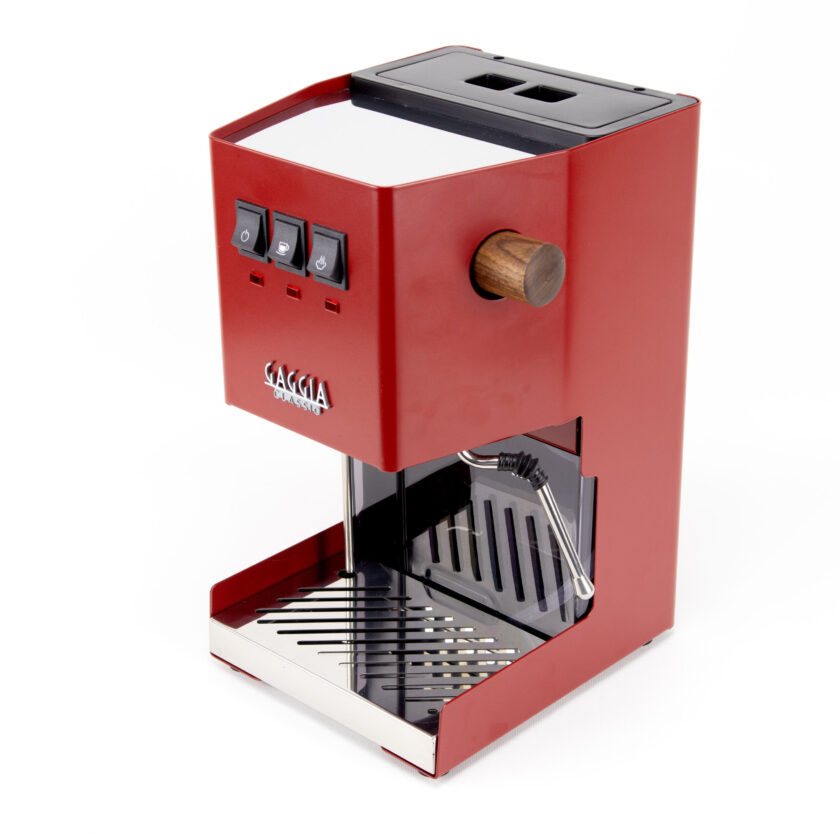
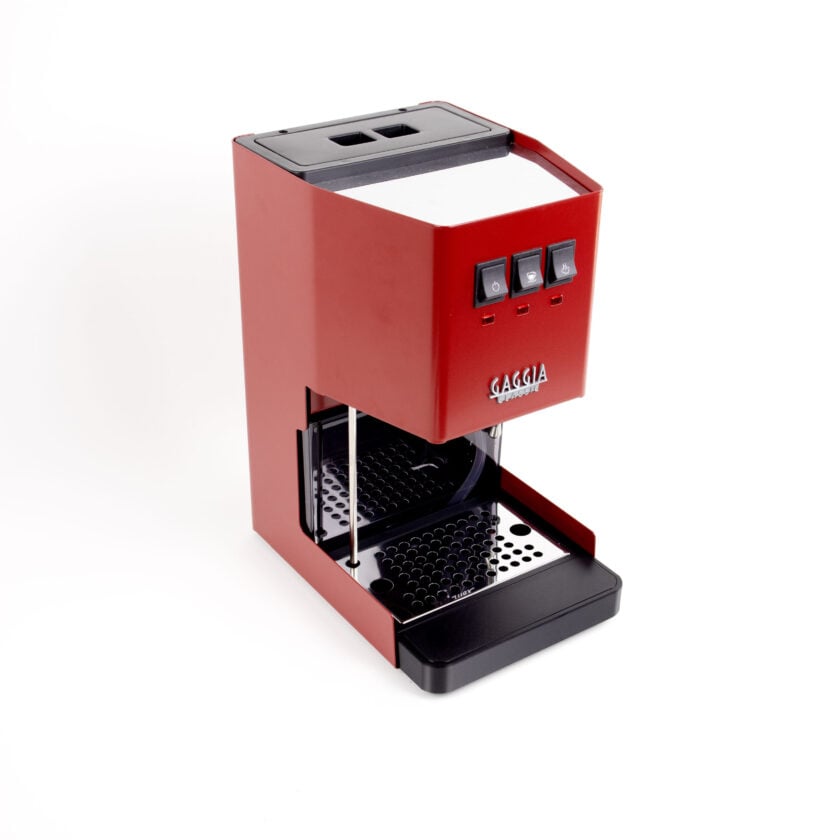




A technical guide to the Gaggia Anima water tank sensor
For the experienced home barista, consistency is paramount. An unexpected interruption in the brewing process can be frustrating, especially when the cause is a seemingly simple component. The Gaggia Anima, like many modern espresso machines, relies on a sensor system to monitor the water tank level. This system is crucial for protecting the pump and boiler from running dry, which can cause significant damage. When this sensor malfunctions, it can render the machine unusable until the issue is resolved. This article provides a clear, technical guide for manual espresso users to diagnose and troubleshoot the Gaggia Anima’s water level detection system, ensuring you can return to pulling consistent shots with minimal downtime.
How the magnetic float sensor works
The Gaggia Anima employs a straightforward and generally reliable method for water level detection: a magnetic float sensor. This system consists of two primary components. The first is a small, sealed magnet encased in a plastic float located inside a dedicated channel within the water tank. The second is a Hall effect sensor or a reed switch positioned inside the machine’s body, directly adjacent to where the tank sits.
The principle of operation is simple. When the tank is filled with water, the float rises. As it reaches its highest position, its magnetic field is detected by the internal sensor, signaling to the machine’s control board that sufficient water is present. As water is consumed during brewing or steaming, the level drops, and the float descends with it. Once it falls below a predetermined threshold, the magnetic field is no longer strong enough to keep the internal switch activated. The machine then correctly interprets this as a low water level and displays an error message, pausing all operations until the tank is refilled.
Diagnosing sensor-related error messages
The most common symptom of a sensor issue is the machine displaying a “fill water tank” alert even when the tank is full. This can manifest in a few ways:
- The machine fails to recognize the tank has been refilled and seated.
- The machine stops brewing or steaming mid-cycle and reports a water error.
- The ready light or display indicator for water never clears, preventing operation.
It is important to differentiate these symptoms from other potential problems. A complete failure to draw water, often accompanied by a strained pump sound, could indicate an air lock in the system or a blockage, rather than a sensor fault. True sensor issues are characterized by the machine thinking it has no water, despite a full reservoir and a clear water path.
A systematic approach to diagnosis and repair
Follow these steps methodically to isolate the cause of the sensor error. This process requires no specialized tools beyond a small household magnet for one of the tests.
1. Inspect the tank and float mobility
First, remove the water tank and inspect it for any cracks or damage. More importantly, check the magnetic float. It is typically housed in a vertical channel molded into the tank wall. Empty the tank and gently shake it; you should be able to see and hear the float moving freely up and down. If it does not move, it is likely stuck.
2. Clean the float and its housing
Limescale and mineral deposits are the most common cause of a stuck float. Even with filtered water, a thin film can build up over time, providing just enough friction to impede the float’s movement. To resolve this, clean the inside of the water tank thoroughly, paying special attention to the channel containing the float. Use a warm water and descaler solution or vinegar and gently scrub the area with a soft-bristled brush to dislodge any residue. Rinse thoroughly before testing again.
3. Test the machine’s internal sensor
If the float moves freely but the error persists, the next step is to determine whether the fault lies with the tank’s magnet or the machine’s sensor. With the water tank removed, take a small magnet (a refrigerator magnet is often sufficient) and hold it against the machine’s body at the location where the float would normally sit. Move the magnet up and down along this area. If the machine’s error message clears and it indicates it is ready to brew, the internal sensor is working correctly. This test strongly suggests the problem is with the magnet in the tank’s float.
4. Address a weakened or faulty float magnet
If the internal sensor responds to an external magnet, the float’s magnet has likely lost its strength over time and is no longer powerful enough to trigger the sensor. This is a common point of failure in older machines. Unfortunately, the magnet is sealed within the float, making direct replacement impractical. The standard solution is to replace the entire water tank assembly.
Preventative maintenance and long-term care
Preventing sensor issues is primarily a matter of water quality and regular cleaning. Using properly softened and filtered water is the single most effective step you can take. This dramatically reduces the rate of scale buildup that can cause the float to stick. Make it a habit to rinse the water tank every few days and perform a thorough cleaning weekly or bi-weekly, depending on usage. When handling the tank, always be mindful of the float mechanism; dropping the tank can dislodge or damage it.
If your diagnostics confirm a failed internal sensor (a rare occurrence), this repair is more involved and may require sourcing the specific electronic component and disassembling a portion of the machine. For most users, a faulty float is the more likely and more easily resolved scenario.
Conclusion
Troubleshooting the Gaggia Anima’s water tank sensor is a logical process that any dedicated home barista can undertake. By systematically inspecting the float’s movement, cleaning away mineral deposits, and using an external magnet to test the machine’s internal switch, you can accurately identify the point of failure. The most frequent culprit is the magnetic float itself, which can either become stuck due to scale or lose its magnetic charge over time. Understanding this simple yet critical system empowers you to perform a quick and accurate diagnosis, ensuring your machine remains a reliable part of your daily coffee ritual. For maintenance needs that require specific parts or tools, resources are available from specialized online retailers like papelespresso.com.