
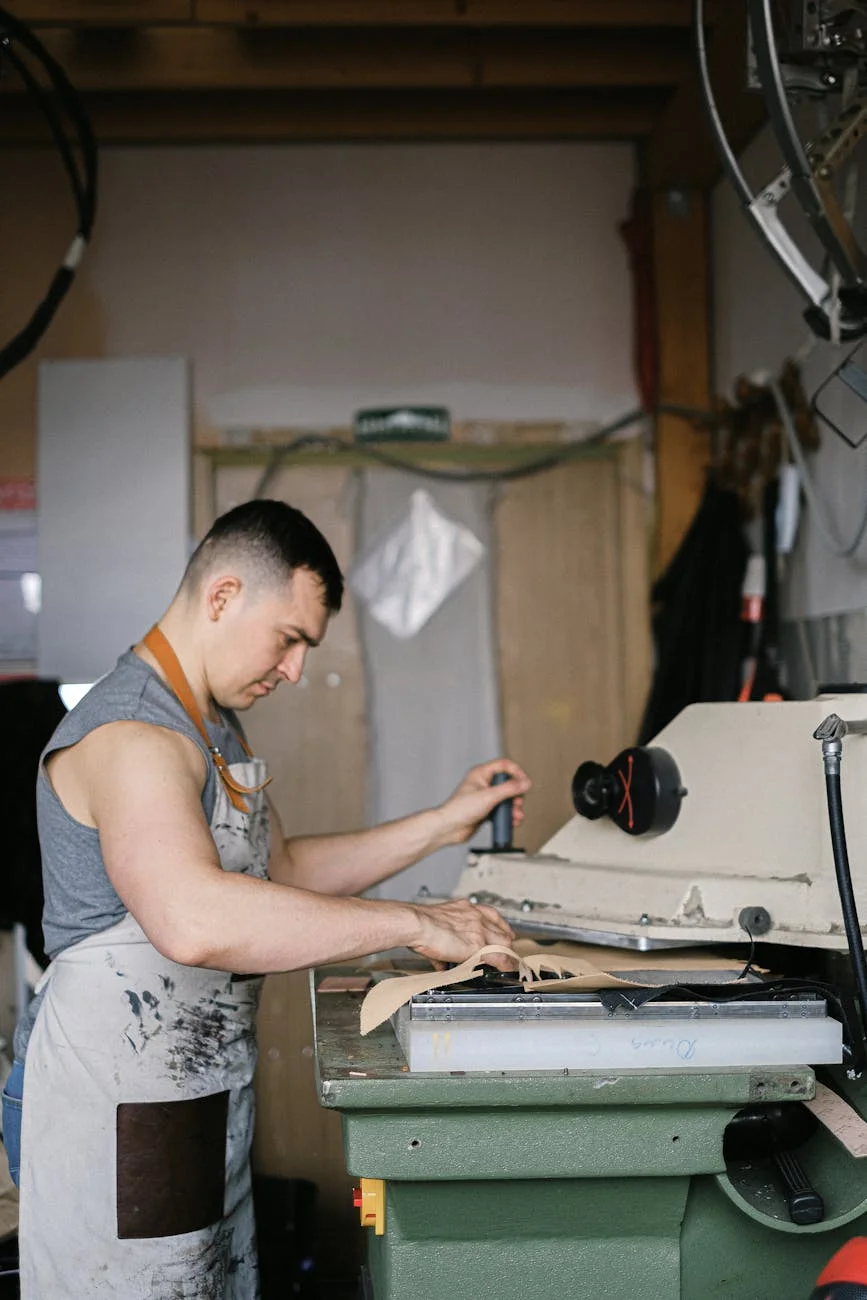
Work smarter, not harder: Techniques to reduce physical strain in high-pressure manual shots
High-pressure manual shots, whether in industrial cleaning, pressure washing, or surface preparation, are notoriously demanding. The combination of powerful recoil, sustained muscle engagement, and repetitive motion can quickly lead to fatigue, musculoskeletal strain, and even long-term injury. This physical toll not only impacts operator well-being but also reduces productivity and the quality of the finished work. However, by focusing on technique rather than brute force, operators can significantly reduce the physical effort required. This article will delve into practical, actionable tips—from fundamental posture and grip to strategic workflow and equipment selection—designed to help you master high-pressure tasks with greater efficiency, safety, and control, ensuring a longer and healthier career in a physically demanding field.
The foundation of efficiency: Stance and posture
Before you even pull the trigger, your effectiveness and endurance are determined by your stance. Many operators make the mistake of fighting the high-pressure lance with only their arms and upper body, leading to rapid fatigue in the shoulders, back, and forearms. The secret is to use your entire body as a unified system to absorb and redirect the force. Start by planting your feet approximately shoulder-width apart, with one foot slightly forward. This staggered stance creates a stable base, much like a boxer’s, allowing you to brace against the recoil. Keep your knees slightly bent to act as shock absorbers and engage your core muscles. A tight core is crucial for protecting your lower back. By maintaining a straight back and leaning into the work from your hips, you transform your body from a fragile lever into a solid, grounded anchor, directing the tool’s power onto the work surface instead of absorbing it as physical punishment.
Mastering the tool: Grip and handling techniques
With a solid posture established, the next point of contact is your grip on the tool. A common error is the “death grip,” where an operator clenches the lance with excessive force. This not only wastes energy but also creates intense tension that travels up the arms into the shoulders and neck. Instead, aim for a firm but relaxed two-handed grip. Use your dominant hand to control the trigger and your non-dominant hand further down the lance for guidance and leverage. This two-handed approach provides superior control and distributes the load across a larger muscle group. Think of it as a push-pull system: your rear hand provides the primary force and absorbs recoil, while your front hand steers the nozzle with precision. This technique prevents over-reliance on your smaller, more easily fatigued arm muscles and allows your stronger back and shoulder muscles to do the heavy lifting, increasing both your stamina and your accuracy.
Strategic movement and workflow
How you approach the job is just as important as how you hold the tool. Working erratically without a plan forces you into awkward positions and causes you to redo sections, wasting both time and energy. A systematic approach is key. For vertical surfaces, always work from top to bottom to allow gravity to assist you, washing away debris as you go. For large flat areas, work in consistent, overlapping sections. The goal is to let the high-pressure water do the work. If you find yourself pushing hard or getting too close to the surface, you may need a different nozzle or pressure setting, not more physical force. Furthermore, it’s vital to pace yourself. Avoid holding one position for too long, as this causes static muscle fatigue. Incorporate micro-breaks, stretch, and consciously change your stance periodically. Planning your path before you start also minimizes unnecessary steps and ensures your hose doesn’t become a tripping hazard, making the entire process smoother and safer.
Equipment’s role in reducing strain
Even the best technique can be undermined by poorly suited or maintained equipment. Your tools should work for you, not against you. The length of the lance is a critical factor; a lance that is too short will force you to hunch over, while one that is too long can be unwieldy and difficult to control. Choose a length that allows you to maintain an upright posture while reaching the target area. Ergonomic accessories can be game-changers. Items like shoulder stocks, harnesses, and swiveling connectors can transfer the tool’s weight and recoil away from your arms and onto your core and shoulders, drastically reducing fatigue over a long day. Nozzle selection also plays a significant role in perceived effort. A wider-angle nozzle covers more area with less recoil, making it ideal for general cleaning, while a zero-degree nozzle creates intense force that is harder to control.
| Nozzle Type (Degree) | Stream Type | Typical Application | Perceived Physical Effort |
|---|---|---|---|
| 0° (Red) | Pinpoint Jet | Stubborn stain removal, caked-on debris | Very High (intense recoil) |
| 15° (Yellow) | Narrow Fan | Surface stripping, paint preparation | High |
| 25° (Green) | Medium Fan | General cleaning, washing vehicles | Moderate |
| 40° (White) | Wide Fan | Rinsing delicate surfaces, windows | Low |
Conclusion
Reducing the physical effort of high-pressure manual shots is not about cutting corners; it’s about working with intelligence and foresight. By integrating these technical principles, you can transform a grueling task into a manageable and efficient process. It all begins with a solid foundation: a balanced stance and engaged core that uses the whole body to manage force. This is complemented by a relaxed, two-handed grip and a strategic, systematic workflow that lets the equipment do the heavy lifting. Finally, selecting the right ergonomic tools and appropriate nozzles for the job can make a world of difference. Ultimately, mastering these techniques is an investment in your own well-being. It leads to greater productivity, higher quality work, and, most importantly, a sustainable career free from chronic pain and injury.

 No products in the cart.
