
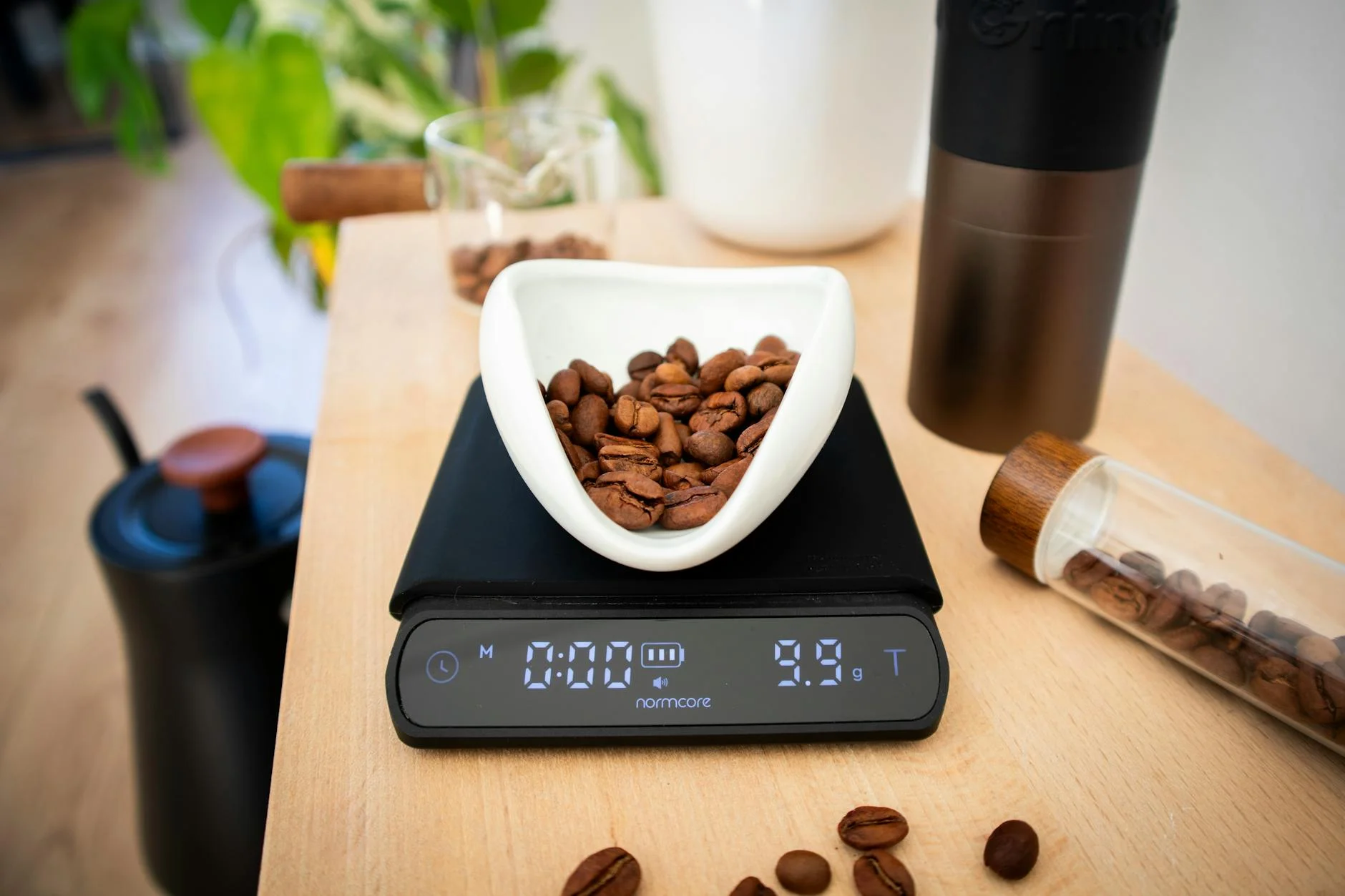
The pursuit of the perfect espresso shot is a journey of precision. Coffee enthusiasts obsess over variables like grind size, dose, and yield, dialing in their equipment to achieve that rich, syrupy extraction. Yet, there is a powerful, often-overlooked environmental factor that can completely change the game: altitude. For those using manual espresso makers, where temperature control is a hands-on process, understanding altitude’s effect is not just a curiosity, it’s essential. This article will explore the science behind why your brewing kettle boils differently in the mountains and how this directly impacts your espresso. We will delve into the challenges it presents for extraction and provide practical, actionable steps to adjust your technique and pull exceptional shots, no matter how high you are.
The science of water, pressure, and altitude
At the heart of this issue is a simple principle of physics: the boiling point of water is dependent on atmospheric pressure. At sea level, where the column of air above us is densest, the atmospheric pressure is at its highest (around 1013 millibars). To boil, water molecules need enough energy to overcome this pressure and turn into steam. This happens at a familiar 100°C (212°F).
As you ascend in altitude, the column of air above you becomes shorter and less dense, resulting in lower atmospheric pressure. With less pressure pushing down on the surface of the water, the molecules need less energy (and therefore less heat) to escape as steam. Consequently, the boiling point of water decreases. For every 150 meters (or about 500 feet) you climb, the boiling point drops by approximately 0.5°C (0.9°F). This might not sound like much, but for a process as sensitive as espresso extraction, it’s a monumental shift.
How a lower boiling point affects espresso extraction
The ideal temperature range for brewing espresso is widely accepted to be between 90-96°C (195-205°F). This window is the sweet spot where you can efficiently extract the desirable soluble compounds from the coffee grounds, such as sugars and oils, while leaving behind the more bitter, astringent compounds. When your brewing water’s absolute maximum temperature is lower, you run into a significant problem: under-extraction.
Imagine you live in a city at 2,000 meters (approx. 6,560 feet). The boiling point of water there is only around 93°C (200°F). After pouring water from the kettle into your manual espresso maker, you will inevitably lose a few degrees to the metal and the air. Suddenly, your actual brewing temperature might be struggling to even reach 90°C. The consequences in the cup are immediately noticeable:
- Sourness: Acids are some of the first compounds to extract from coffee. Without sufficient heat to extract the balancing sugars, the shot will taste overwhelmingly sour or tart.
- Lack of body: The rich, viscous mouthfeel of a good espresso comes from dissolved solids and oils, which require higher temperatures to extract properly. An under-extracted shot will feel thin and watery.
- Weak flavor: The complex, deep flavors of chocolate, caramel, and fruit will be muted, replaced by a one-dimensional, grassy, or vegetal taste.
Essentially, brewing at high altitude puts a hard cap on your available thermal energy, forcing you to find other ways to achieve a balanced extraction.
Adjusting your manual brewing technique
Simply accepting sour shots is not an option. Since you can’t change the physics of boiling water, you must adapt your technique. The goal is to maximize extraction with the limited heat you have. This involves two key strategies: conserving every bit of heat and compensating with other brewing variables.
First, aggressive temperature management is crucial. While a sea-level brewer might let their water cool slightly off the boil, a high-altitude brewer should use water as close to their local boiling point as possible. To minimize heat loss, you must preheat everything meticulously. This means filling the brew chamber of your manual device (like a Flair, Robot, or Cafelat) with boiling water and letting it sit for at least a minute before dumping it and preparing your shot. Preheating the portafilter and your cup is just as important.
Second, you must adjust other variables to make extraction easier for the cooler water:
- Grind finer: This is your most powerful tool. A finer grind increases the surface area of the coffee particles, allowing the water to extract solubles more efficiently in a shorter amount of time. You will need to grind noticeably finer than you would at sea level for the same coffee.
- Extend pre-infusion: A longer, gentle pre-infusion (wetting the puck at low pressure) gives the water more contact time to saturate the grounds thoroughly before applying full pressure. This helps kickstart the extraction process.
- Consider your dose and ratio: Sometimes, a slightly lower coffee dose can make it easier to achieve full extraction. Alternatively, you can increase your brew ratio (e.g., from 1:2 to 1:2.5) to pull more water through the puck, but be careful not to dilute the shot too much.
Boiling points and brewing temperatures by altitude
To put this into a practical context, it’s helpful to see the numbers side-by-side. The table below shows the approximate boiling point of water at various altitudes. The “Suggested Target Water Temp” is the temperature you should aim for in your kettle before brewing. Notice how at higher altitudes, you have virtually no room to cool the water off the boil; you need to use it immediately to retain as much heat as possible for the extraction itself.
| Altitude (meters) | Altitude (feet) | Boiling Point | Suggested Target Water Temp |
|---|---|---|---|
| Sea Level | 0 ft | 100°C / 212°F | 93-96°C / 200-205°F |
| 500 m | 1,640 ft | 98.3°C / 209°F | 95-98°C / 203-208°F |
| 1,000 m | 3,280 ft | 96.6°C / 206°F | 94-96°C / 201-205°F |
| 1,500 m | 4,920 ft | 95°C / 203°F | 93-95°C / 199-203°F |
| 2,000 m | 6,560 ft | 93.3°C / 200°F | 93°C / 200°F (use at boil) |
| 2,500 m | 8,200 ft | 91.6°C / 197°F | 91°C / 197°F (use at boil) |
Note: These are approximations. Actual boiling points can vary slightly with atmospheric conditions.
Brewing exceptional manual espresso at high altitude is an achievable goal, but it requires a shift in mindset. You can no longer rely on standard sea-level recipes. Your primary challenge is the lower boiling point of water, which puts a firm ceiling on your brew temperature and pushes your shots toward under-extraction. To combat this, you must become a master of heat retention, thoroughly preheating every component that will touch your brewing water. From there, you must compensate for the lower thermal energy by adjusting other variables, with grinding finer being your most effective weapon. By understanding the science and adapting your workflow, you can overcome the environmental constraints and prove that a delicious, well-balanced espresso is possible anywhere, from the beach to the mountaintop.


 No products in the cart.
