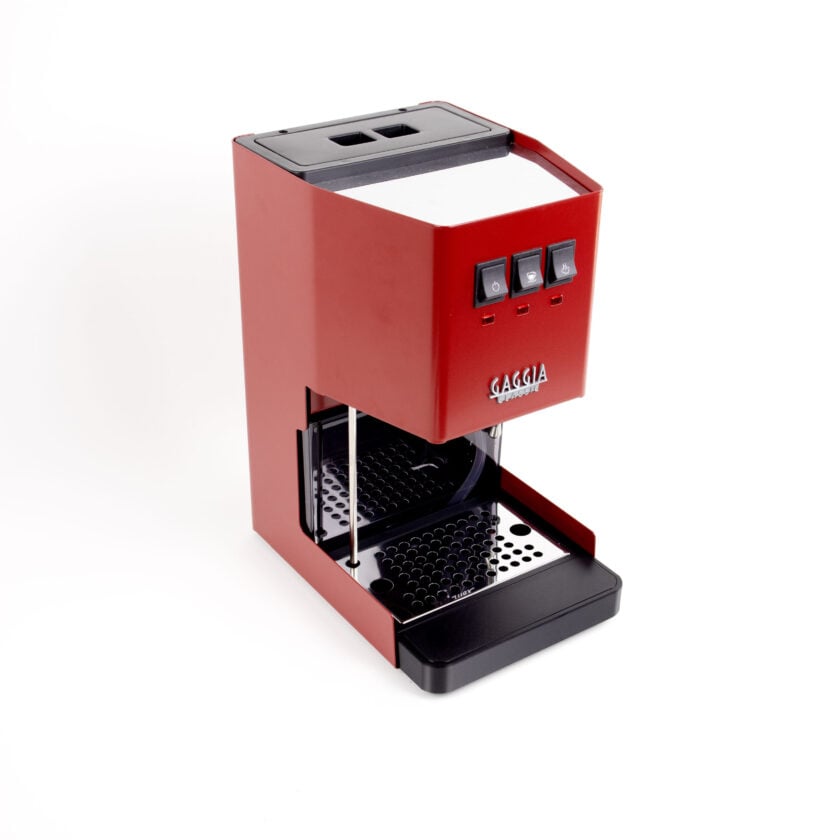



Improving extraction yield on a gaggia espresso machine
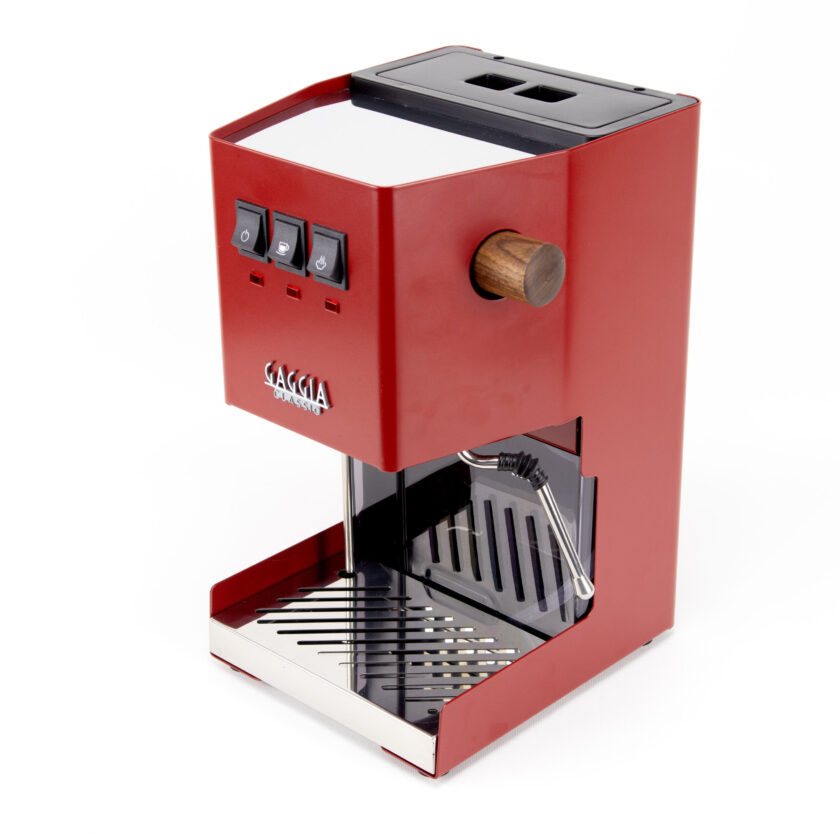
For the dedicated home barista, moving beyond basic recipes into the technical realm of extraction yield is a significant step. On a manual machine like a Gaggia, where the user has a high degree of control, understanding and manipulating extraction is fundamental to achieving exceptional espresso. Extraction yield, expressed as a percentage, measures the amount of coffee solubles that have moved from the dry grounds into the final beverage. A higher, well-balanced yield often correlates with a more complex and flavorful cup, while a low or uneven yield can result in sour or bitter flavors. This article explores the primary factors influencing extraction on these machines, providing a technical framework for repeatable success.
The fundamentals of an even extraction
Before adjusting variables, it is crucial to establish a consistent foundation. The primary goal of puck preparation is to create a bed of coffee grounds with uniform density. This ensures that water passes through all parts of the coffee at a relatively even rate, preventing a phenomenon known as channeling. When channels form, water bypasses most of the coffee and over-extracts the grounds along the path of least resistance. This results in a shot that is simultaneously sour (from the under-extracted majority of the puck) and bitter (from the over-extracted channel), with a noticeably low total extraction yield. Meticulous puck preparation, which involves consistent dosing, distribution, and tamping, is the single most important factor in preventing channeling and enabling a high-quality extraction.
Controlling variables: Grind size and brew ratio
The two most powerful levers for controlling extraction yield are grind size and brew ratio. These parameters work in tandem to determine the total contact time between water and coffee, as well as the efficiency of the extraction process itself. A finer grind increases the surface area of the coffee particles, which allows for a faster rate of extraction. However, grinding too fine can lead to compaction and choke the machine, dramatically slowing the shot and introducing bitterness.
Brew ratio, the relationship between the dry coffee dose and the final beverage weight, sets the overall strength and extraction potential. Common starting points are:
- Ristretto: 1:1 to 1:1.5 (e.g., 18g dose to 18g–27g beverage)
- Normale: 1:2 to 1:2.5 (e.g., 18g dose to 36g–45g beverage)
- Lungo: 1:3+ (e.g., 18g dose to 54g+ beverage)
To increase extraction yield, one can either grind finer (while keeping the ratio constant) or pull a longer ratio (keeping the grind constant). The key is to make small, singular adjustments and taste the results. Using a scale to measure both the dose and the output is not optional; it is a requirement for the precise control needed to consistently manipulate extraction.
Managing thermal stability
Classic single-boiler machines like many Gaggia models are known for thermal instability. The boiler temperature fluctuates in a cycle as the heating element turns on and off. Since water temperature directly impacts the rate at which coffee solubles dissolve, managing this variable is critical for shot-to-shot consistency. Brewing with water that is too cool will under-extract the coffee, leading to sourness. Conversely, water that is too hot can over-extract certain compounds, introducing harsh, bitter flavors.
A common technique to achieve a consistent brew temperature is known as temperature surfing. This involves initiating the brew cycle at a specific point in the machine’s heating cycle, often by purging a controlled amount of water from the group head to trigger the heating element. By repeating the same sequence of steps before every shot, the user can ensure the brew water is at a more predictable and stable temperature, removing a significant variable from the extraction equation.
The impact of pressure and pre-infusion
Standard espresso machines are often set to a pump pressure of 9 bars or higher. While this is the industry norm, a high initial pressure can disrupt a carefully prepared coffee puck, especially with very fine grinds. This pressure shock can create micro-fractures in the puck, which quickly evolve into channels. Some users modify their machines to lower the maximum pressure, aiming for a gentler extraction that is more forgiving and promotes evenness. Similarly, introducing a low-pressure pre-infusion phase, where the puck is gently saturated with water before full pressure is applied, helps to settle the coffee grounds and reduce the risk of channeling. This allows for a finer grind and, consequently, a higher potential extraction yield without introducing astringency.
In conclusion, systematically improving extraction yield on a Gaggia machine is a process of refinement and control. The pursuit is not about hitting a specific number, but about understanding the interplay between puck preparation, grind size, brew ratio, and thermal stability. By building a consistent workflow that minimizes uncontrolled variables, the home barista can make deliberate adjustments to steer the final taste. The most significant gains are found not in expensive upgrades, but in meticulous technique and a solid understanding of the extraction process. For those seeking to enhance their workflow, a range of precision tools designed for manual espresso is available from retailers like papelespresso.com.