
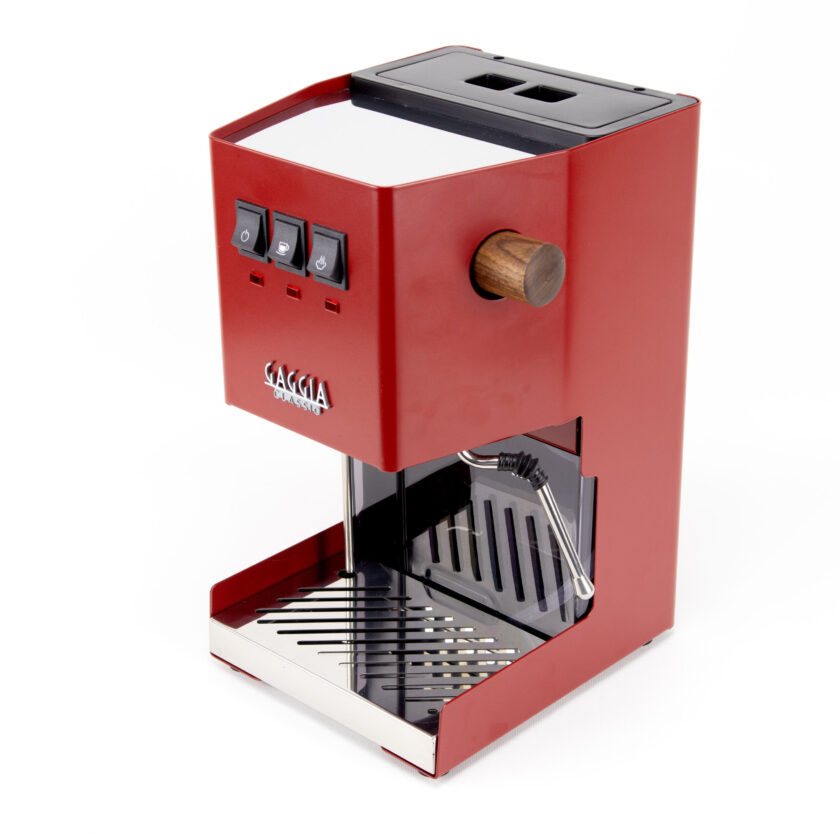
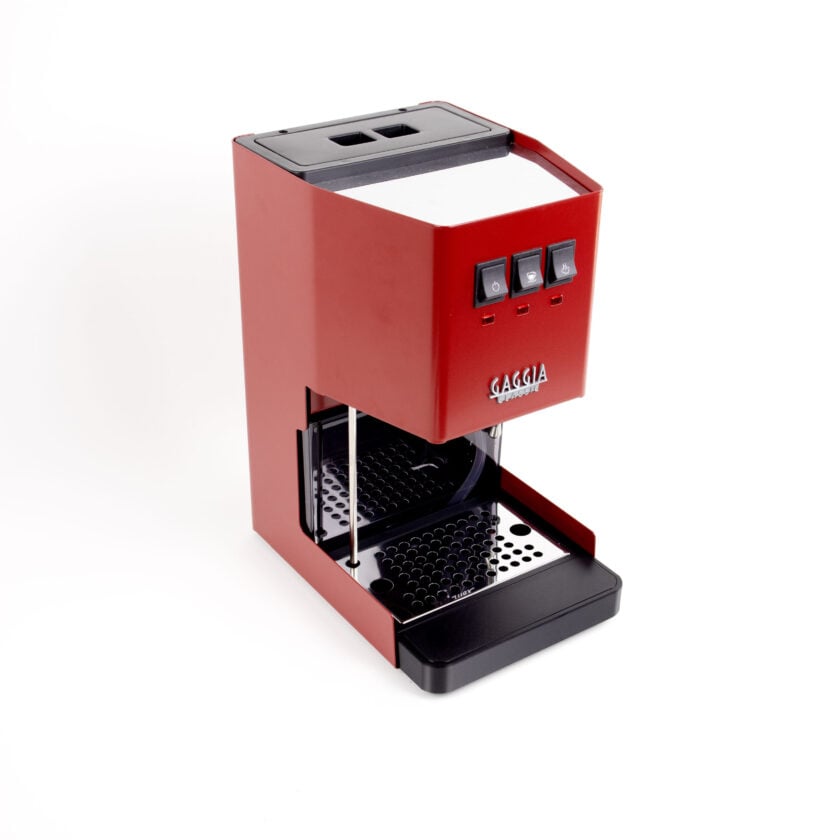



The Gaggia Classic is a revered machine in the home espresso community, known for its robust build and capacity for producing high-quality shots. For the experienced home barista, mastering its quirks is part of the journey. One of the most fundamental yet often misunderstood procedures is bleeding the boiler. This simple process involves purging trapped air from the system, a critical step for ensuring thermal stability and consistent steam pressure. Understanding how and why to perform this task is not just about maintenance; it is about controlling the variables that separate a good extraction from a great one.
Understanding air in the system
At its core, bleeding the Gaggia Classic boiler is about removing unwanted air pockets that can accumulate inside the system. Air can enter the boiler in several ways: during the initial setup, after refilling the water reservoir, or, most commonly, after using the steam wand. When you steam milk, the water level in the boiler drops and is replaced by steam. After steaming, as the boiler cools and a vacuum forms, air can sometimes be drawn into the system if the steam valve is not closed properly or if the machine is not immediately refilled and primed.
These air pockets are problematic because they are compressible and do not transfer heat as efficiently as water. This can lead to a phenomenon known as “false pressure.” The pressurestat or thermostat may read the pressure from the trapped, heated air as being correct, causing the heating elements to shut off prematurely. The result is a boiler full of water that is not actually at the proper brewing or steaming temperature, leading to sour, under-extracted shots or weak, ineffective steam for frothing milk.
Recognizing the symptoms
Knowing when to bleed the boiler is a key diagnostic skill for any Gaggia Classic owner. The symptoms are usually quite distinct and serve as a clear indicator that air is trapped in the system. Paying attention to these signs can help you preemptively address performance issues before they ruin a shot.
The most common indicators include:
- Gurgling or sputtering: When you attempt to dispense water from the steam wand or group head, you may hear a gurgling sound accompanied by an inconsistent, sputtering flow instead of a steady stream.
- Weak steam pressure: If the steam wand produces weak, wet steam or seems to lose pressure quickly, it is often a sign that the boiler is not reaching the correct temperature due to false pressure from trapped air.
- Inconsistent brew temperature: If your espresso shots are suddenly tasting sour or weak despite your grind and tamp being consistent, it may be due to low brew water temperature. Trapped air can prevent the boiler from heating the water to the optimal extraction range.
The bleeding procedure: a step-by-step guide
The process of bleeding the boiler is straightforward and should become a regular part of your machine workflow, especially after steaming milk. It requires no special tools and takes less than a minute to complete. Following these steps will ensure your machine is properly primed for optimal performance.
- Ensure the water reservoir is full. Before you begin, check that the water tank has an adequate amount of fresh water.
- Turn the machine on. Activate the main power switch to begin heating the boiler.
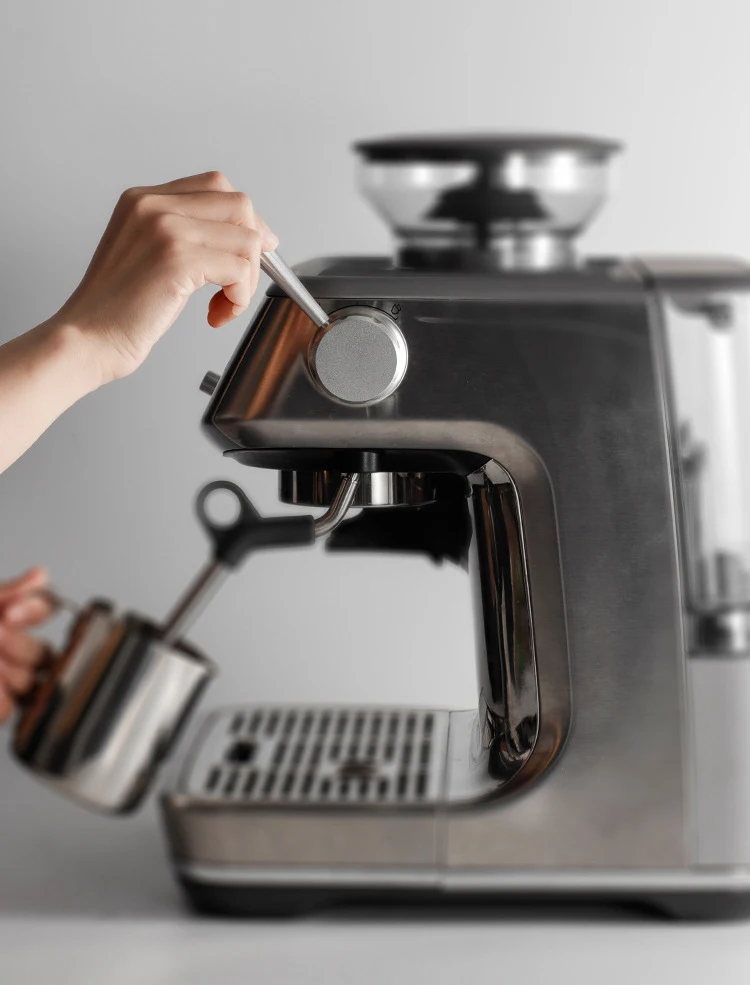
- Open the steam valve. Turn the steam knob counter-clockwise to fully open the steam valve. It is helpful to have a small pitcher or cup under the steam wand to catch the water.
- Activate the pump switch. Press the brew switch (or pump switch on some models) to activate the pump. This will begin pushing water through the system.
- Wait for a steady stream. You will initially see a sputtering mix of air and water exit the steam wand. Continue running the pump until a solid, consistent stream of water is flowing from the wand. This indicates that the trapped air has been purged.
- Close the steam valve. Once you have a steady stream, turn the steam knob clockwise to close the valve.
- Deactivate the pump switch. Turn off the brew/pump switch.
The boiler has now been successfully bled. The machine is ready to come up to the correct temperature for either brewing or steaming.
Integrating into your workflow
Making this procedure a consistent habit is key to maintaining the performance of your Gaggia Classic. The most logical time to bleed the boiler is immediately after steaming milk. Once you have finished texturing your milk, the boiler is partially empty and is the most likely time for air to be present. By running the pump with the steam valve open to refill the boiler, you are effectively bleeding and refilling it simultaneously. This “refill and bleed” step ensures the machine is immediately ready for the next shot with a fully primed boiler, preventing the heating elements from running dry and ensuring it is thermally stable for the next user or the next morning.
Regularly performing this simple task not only improves the quality of your espresso but also contributes to the longevity of the machine’s components, including the pump and heating elements, by ensuring they operate under their intended conditions.
Conclusion
Bleeding the boiler on a Gaggia Classic is a fundamental skill that directly impacts the machine’s performance and the quality of the espresso it produces. By understanding the causes of trapped air and recognizing the symptoms, you can perform this quick and simple procedure to restore thermal stability and steam power. It is not an occasional repair but rather a crucial, preventative maintenance step that should be integrated into every user’s regular workflow, particularly after steaming. Mastering this process is a hallmark of a knowledgeable home barista who seeks precise control over their equipment. For those looking to maintain their machines, a wide range of relevant tools and accessories can be found at papelespresso.com.