
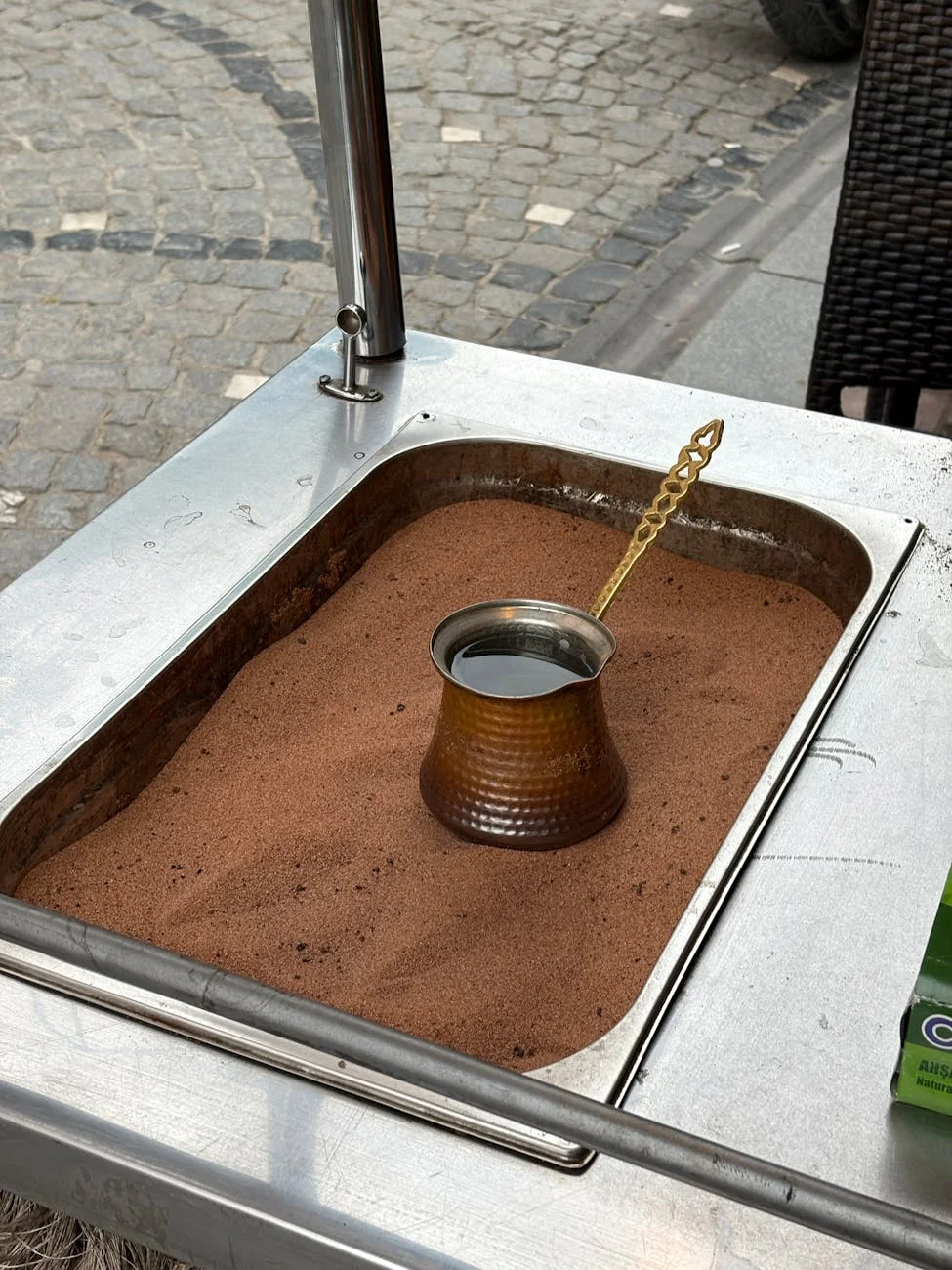
Turkish coffee is more than just a beverage; it’s a cultural ritual, an experience steeped in tradition and rich, aromatic flavor. Unlike filtered coffee, this ancient brewing method creates an unfiltered, potent, and velvety brew. But achieving that perfect balance between a strong, flavorful cup and a sludgy, bitter mess comes down to one crucial element: the coffee-to-water ratio. Many aspiring brewers are intimidated, unsure of where to begin. This guide will demystify the process, exploring the ideal ratios for a perfectly balanced Turkish coffee. We will delve into the classic starting point, how to adjust it to your personal taste, and provide practical measurements to help you master this timeless art and brew a truly exceptional cup every single time.
The foundation of a great brew
Before we can talk about ratios, it’s essential to understand what makes Turkish coffee unique. The secret lies in its two defining characteristics: the grind and the brewing vessel. The coffee must be ground to a superfine, powder-like consistency, much finer than espresso. This talc-like texture is crucial because it allows for maximum flavor extraction in a very short amount of time. The brewing happens in a special pot called a cezve (or ibrik), which has a wide base and a narrow neck.
This design helps to trap heat and, more importantly, facilitates the formation of a thick, creamy foam, known as kaymak. Because the coffee is unfiltered and the grounds remain in the cup, the ratio of coffee to water doesn’t just determine strength; it dictates the final texture and mouthfeel. Too much coffee, and you’ll have a thick, gritty sludge. Too little, and the result will be a watery, unsatisfying brew lacking the signature body and rich foam.
The golden ratio: your starting point
For those new to Turkish coffee, the most widely accepted and reliable starting point is the 1:10 ratio by weight. This means for every 1 gram of coffee, you should use 10 grams (or 10 milliliters) of water. This ratio is considered the “golden mean” because it consistently produces a cup that is strong but not overpowering, with a rich body and a healthy layer of foam.
For a more practical, everyday approach without a scale, this translates roughly to:
- One heaping teaspoon of finely ground coffee (approximately 6-7 grams).
- One Turkish coffee cup (a fincan) of cold water (approximately 60-70 ml).
This classic ratio is your baseline. It’s the standard used in cafes across Turkey and the Middle East and serves as the perfect foundation. We recommend starting here, brewing a few cups using this measurement to understand the fundamental taste and texture profile. Once you are comfortable with this standard brew, you can begin to explore variations to perfectly match your personal preference.
Customizing the strength to your palate
The beauty of making coffee at home is the ability to tailor it to your exact liking. The 1:10 ratio is a fantastic start, but your perfect cup might be slightly different. Adjusting the ratio is simple, but small changes can have a significant impact on the final result.
For a stronger, more robust coffee:
If you prefer a bolder, more intense flavor profile and a thicker body, you’ll want to increase the amount of coffee. Try shifting to a 1:8 or 1:9 ratio. This means using a bit more coffee for the same amount of water (e.g., 8-9 grams of coffee for 70 ml of water). This will create a richer, more concentrated brew with a very thick texture. Be mindful that this can also amplify any bitterness, so a slow and gentle heating process becomes even more critical.
For a lighter, milder coffee:
Conversely, if you find the classic ratio too strong or you want to highlight the more delicate, nuanced flavors of a specific coffee bean, you can use less coffee. A 1:11 or 1:12 ratio will yield a lighter-bodied cup. This would be about 5-6 grams of coffee for 70 ml of water. The resulting brew will be less intense and have a thinner texture, but it can be just as enjoyable, especially for those who are sensitive to caffeine or strong flavors.
A practical ratio quick-reference guide
To make the process even simpler, here is a table that breaks down the measurements for a single serving of Turkish coffee based on your desired strength. Remember that a standard Turkish coffee cup (fincan) holds about 60-70ml of water.
| Desired strength | Ratio (Coffee:Water) | Water | Coffee (grams) | Coffee (approx. teaspoons) | Expected result |
|---|---|---|---|---|---|
| Lighter | 1:12 | 70 ml | ~6 g | 1 level teaspoon | Milder flavor, thinner body. |
| Classic / Balanced | 1:10 | 70 ml | 7 g | 1 heaping teaspoon | Rich flavor, velvety body, good foam. |
| Stronger | 1:8 | 70 ml | ~9 g | 1.5 heaping teaspoons | Intense flavor, thick body. |
Remember to also account for sugar. If you take your coffee sweet (şekerli) or semi-sweet (orta şekerli), the sugar should be added with the coffee and water at the beginning. The sugar will slightly alter the texture and perception of strength, so you may need to fine-tune your coffee ratio accordingly after adding it.
Mastering Turkish coffee is a rewarding journey into one of the world’s oldest brewing traditions. While factors like grind size, water quality, and heat control play a role, the coffee-to-water ratio is the cornerstone of a great cup. We’ve established that the classic 1:10 ratio is the perfect, universally acclaimed starting point for a balanced brew. It delivers the rich body, aromatic flavor, and velvety foam that define authentic Turkish coffee. From this foundation, you have the freedom to experiment. By making small adjustments, increasing the coffee for a stronger kick or decreasing it for a lighter touch, you can fine-tune the recipe to create a cup that is uniquely yours. Let this guide serve as your map, but let your palate be your compass.




 No products in the cart.
