
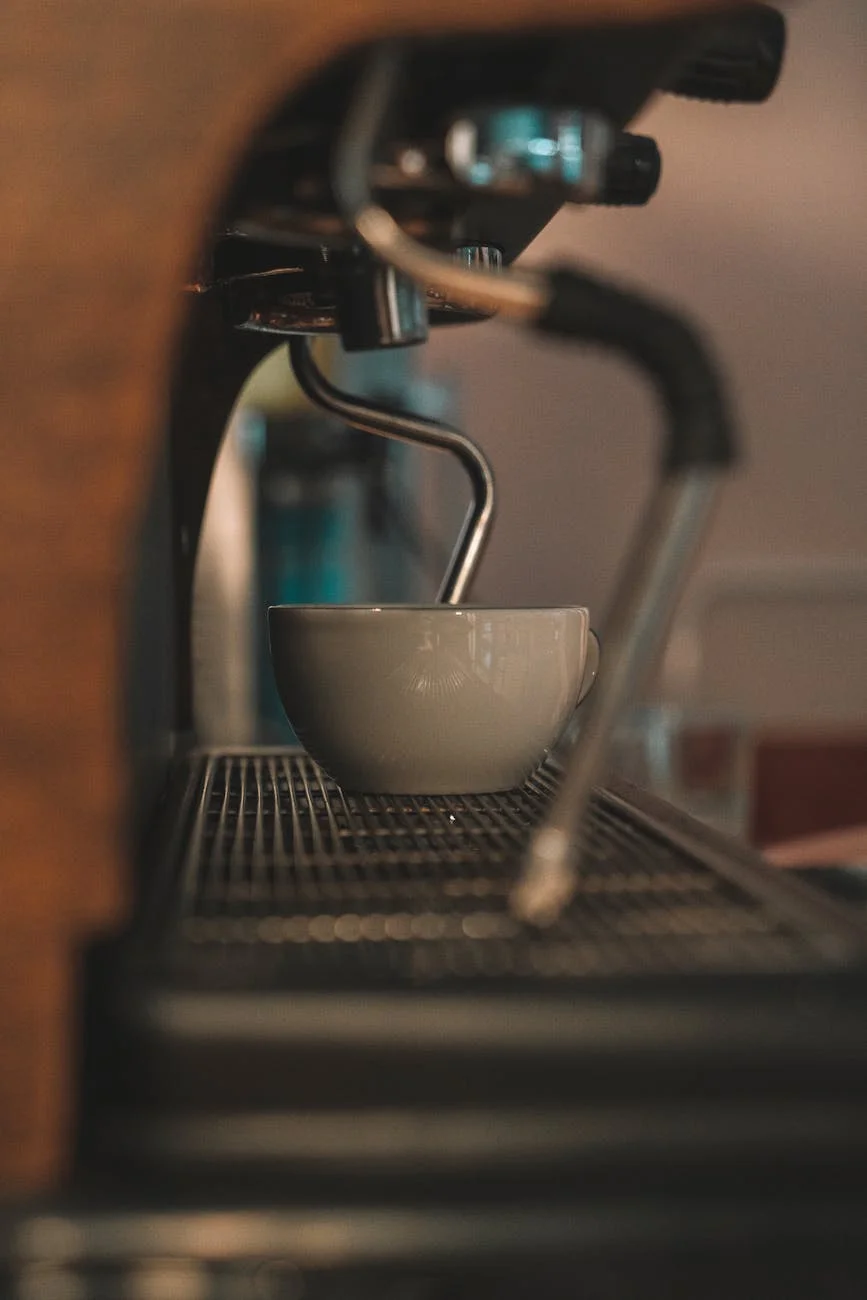
How using the wrong cup size can affect your espresso workflow
For any dedicated barista, whether at home or in a bustling cafe, the pursuit of the perfect espresso is a meticulous process. We obsess over the quality of the beans, the precision of the grinder, the temperature of the water, and the pressure of the machine. Yet, one of the most critical tools in our arsenal is often overlooked: the cup. It’s easy to dismiss it as a simple vessel, but the truth is far more complex. The size, shape, and material of your espresso cup can dramatically impact not just the final taste of your shot, but the entire efficiency and enjoyment of your workflow. This article will explore how this seemingly minor choice can create major ripples in your daily coffee ritual.
The thermodynamics of temperature and taste
The first and most immediate victim of an incorrectly sized cup is temperature. A standard double espresso is a small volume of liquid, typically around 30-40 ml. When this hot liquid hits a large, cold ceramic mass, it experiences rapid thermal shock. The cup acts as a heat sink, pulling warmth from the espresso and causing it to cool down in seconds. A lukewarm shot is a sad shot; the delicate balance of sweetness, acidity, and bitterness is thrown off, often resulting in a sharp, overly acidic taste. The beautiful aromatic compounds that make espresso so alluring dissipate much faster at lower temperatures.
While pre-heating your cup is always good practice, it becomes a non-negotiable, and often insufficient, step with an oversized cup. You have to get a much larger surface area up to temperature, which takes more time and hot water, slowing down your workflow. A proper demitasse, with its thick walls and small volume, is designed specifically to cradle the espresso and preserve its heat, ensuring the first sip is just as good as the last.
Volume, ratios, and visual presentation
Beyond temperature, the physical volume of the cup plays a crucial role in both measurement and aesthetics. Imagine pulling a perfectly timed, syrupy shot of espresso into a giant 12-ounce mug. The beautiful, rich crema, which is a key indicator of a well-extracted shot, spreads out into a thin, sad-looking film and vanishes almost instantly. The visual appeal is completely lost, and as we all know, we taste with our eyes first. This can be disheartening and makes the entire process feel less rewarding.
Conversely, a cup that is too small for your intended shot is a recipe for a messy disaster. If you’re pulling a modern, longer shot (a normale or lungo) into a tiny ristretto cup, you risk overflow. This not only wastes precious coffee but also creates a mess on your drip tray and counter. It disrupts the flow of your process, forcing you to stop, clean up, and potentially re-pull the shot entirely. The right cup has enough headspace to contain the shot comfortably without drowning it.
Workflow efficiency and ergonomics
A smooth workflow is about rhythm and eliminating unnecessary friction. The wrong cup can be a major source of that friction. One of the most common issues is a cup that is too tall or wide to fit properly under the portafilter spouts. This forces you to either pull the shot into a separate glass and then transfer it, creating more dishes and risking spills, or to awkwardly tilt the cup during extraction, which can lead to an uneven pour.
Furthermore, many home baristas and professionals rely on scales for precision. A cup with a wide base might not fit on the scale’s platform, especially on a compact machine’s drip tray. This makes it impossible to weigh your shot as it’s being pulled, forcing you to compromise on consistency. In a professional setting, the stackability and storage of cups are also critical. Awkwardly shaped, oversized cups take up valuable shelf space and are often unstable when stacked, slowing down service during peak hours.
A guide to matching cups with coffee drinks
Choosing the right cup ensures every component of the coffee experience is optimized. The right size preserves the drink’s intended temperature, ratio, and aesthetic appeal. Using an appropriate vessel is a sign of care and elevates the simple act of drinking coffee into a true ritual. Here is a simple table to guide you in selecting the proper cup for some of the most common espresso-based drinks.
| Drink type | Ideal volume (approximate) | Key considerations |
|---|---|---|
| Single Espresso / Ristretto | 60 ml (2 oz) | Thick ceramic walls to retain heat for the small liquid volume. |
| Double Espresso | 90 ml (3 oz) | The classic demitasse size, providing enough room for crema. |
| Macchiato | 90 ml (3 oz) | Slightly larger than a single shot cup to accommodate a dollop of milk foam. |
| Cortado / Gibraltar | 135 ml (4.5 oz) | Traditionally served in a small glass to showcase the layers of espresso and milk. |
Conclusion
In the grand symphony of espresso preparation, the cup is not a minor player; it is an essential instrument. As we’ve seen, using the wrong size can trigger a chain reaction of negative consequences. It can rob your espresso of its vital heat, diminishing its flavor and aroma. It can ruin the visual presentation of the crema, disrupt the delicate balance of your coffee-to-water ratio, and introduce frustrating inefficiencies into your workflow. From the physical fit on your machine to the final sensory experience, the cup matters. By taking a moment to choose the right vessel, you are respecting the effort that went into sourcing, roasting, and preparing the beans, ensuring that your carefully crafted shot is served exactly as it was meant to be enjoyed.


 No products in the cart.
