
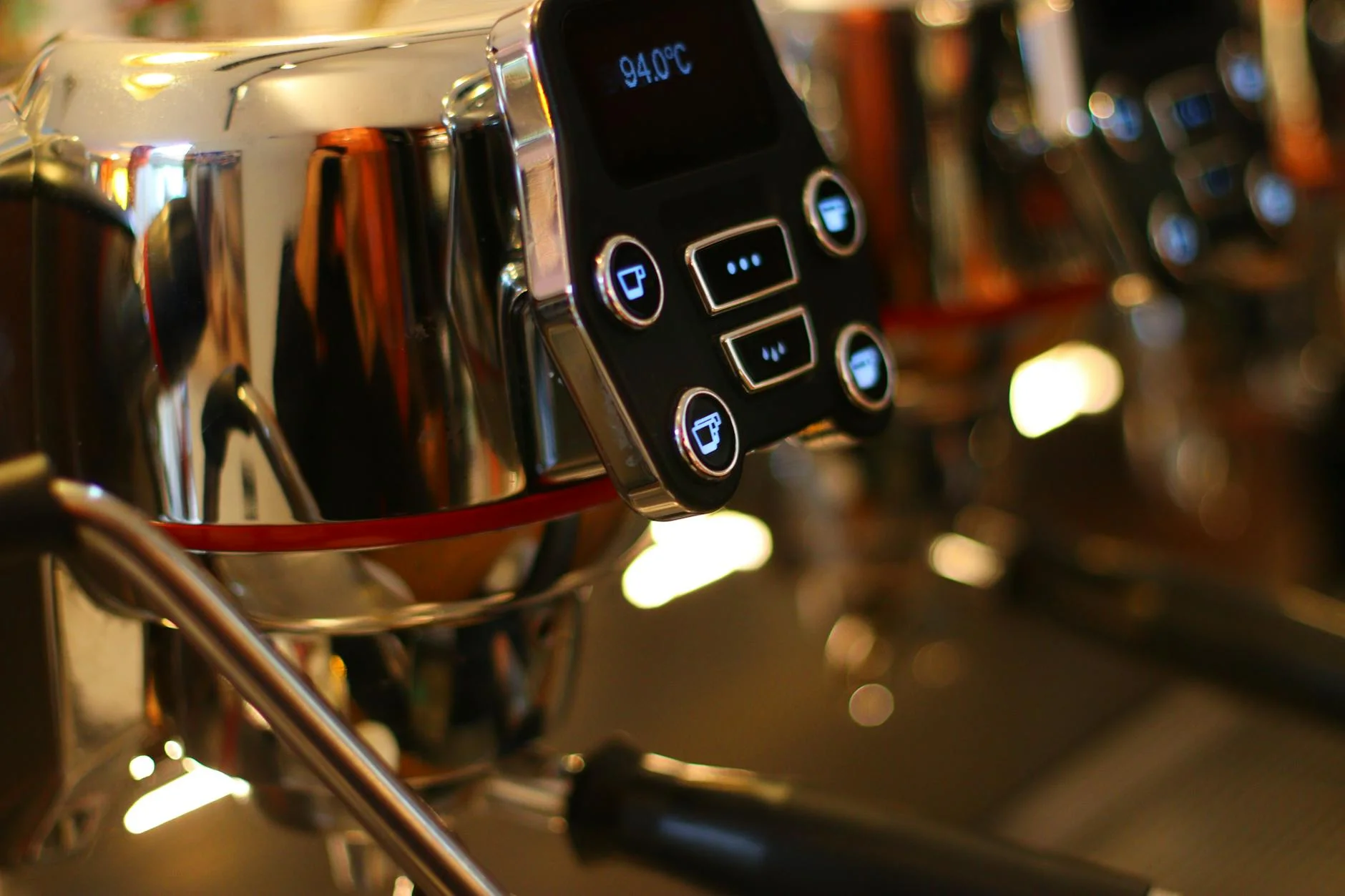
A dual boiler espresso machine represents a significant investment for any coffee enthusiast, promising barista-level control and consistency right in your kitchen. These powerful machines, with their separate boilers for brewing and steaming, can produce exceptional espresso and perfectly textured milk simultaneously. However, a silent threat lurks within their copper and brass veins: limescale. This mineral buildup, a direct result of using hard water, can slowly cripple your machine’s performance, leading to inconsistent shots, costly repairs, and ultimately, a disappointing coffee experience. Understanding how to identify the signs of scale and, more importantly, how to prevent it from forming in the first place is the most crucial aspect of long-term machine maintenance and a cornerstone of great espresso.
Understanding limescale and its impact on dual boilers
At its core, limescale is simply a hard, chalky deposit consisting mainly of calcium carbonate. It forms when hard water, which is rich in dissolved minerals like calcium and magnesium, is heated. The high temperatures inside your espresso machine’s boilers cause these minerals to precipitate out of the water and cling to surfaces. Dual boiler machines are uniquely vulnerable to this process. With two separate boilers constantly holding and heating water, you have double the surface area for scale to accumulate. The steam boiler, which operates at a higher temperature and constantly boils water into steam, is an especially high-risk environment for rapid and aggressive scale formation.
The consequences of unchecked scale buildup are severe. Initially, it acts as an insulator on heating elements, forcing them to work harder and consume more electricity just to reach the target temperature. As it worsens, it can constrict and eventually clog the intricate network of copper tubing, valves, and flow meters, leading to a cascade of problems. You might notice a drop in brew pressure, weak steam power, and temperature instability, all of which make it impossible to pull a consistent, delicious shot of espresso. In the worst-case scenario, scale can cause components to fail completely, resulting in expensive and time-consuming repairs.
How to spot the signs of scale buildup
Catching scale formation early is key to preventing major damage. The initial symptoms can be subtle, but an attentive owner will notice changes in their machine’s daily performance. Being vigilant and recognizing these signs can save you from a future mechanical headache. The progression from early warning signs to more severe issues is a clear indicator that the mineral buildup is worsening and requires immediate attention.
Early warning signs:
- Longer heat-up times: The machine takes noticeably longer to get to its ready state from a cold start.
- Inconsistent steam: The steam wand may sputter or seem less powerful than it used to.
- Pressure gauge fluctuations: The needle on your brew pressure gauge might not be as steady during an extraction.
- Cloudy water: Water dispensed from the hot water tap may have a slightly cloudy or murky appearance.
Advanced symptoms of severe scaling:
- Visible deposits: You can see a white, chalky substance forming around the group head screen, steam wand tip, or inside the water reservoir.
- Significant performance drops: A major and undeniable loss of steam power or the inability to maintain stable brew pressure.
- Leaking and dripping: Scale can prevent valves from sealing properly, causing drips from the group head or steam wand when not in use.
- Error codes: On machines with digital displays, you may get error codes related to heating elements or temperature probes failing.
The first line of defense: Water quality management
The single most effective way to combat limescale is to control the quality of the water you put into your machine. Prevention is always better, cheaper, and safer than a cure. Instead of reacting to scale after it has formed, you should aim to use water that won’t create it in the first place. The ideal water for espresso is soft but not completely stripped of minerals, as some mineral content is essential for flavor extraction. The first step is to understand your source water by testing it for total hardness (GH) and alkalinity (KH) using simple aquarium test strips. Once you know your water’s mineral content, you can choose the right treatment solution.
| Treatment method | How it works | Best for | Maintenance |
|---|---|---|---|
| In-Tank Softening Pouch | Uses an ion-exchange resin to trap calcium and magnesium ions. | Home users with reservoir machines and moderately hard water. | Replace or recharge every 1-3 months, depending on use and water hardness. |
| Plumbed-In Filtration System | A cartridge system installed on your water line that filters and softens water before it enters the machine. | Users with plumbed-in machines or those seeking a comprehensive, low-hassle solution. | Replace cartridges every 6-12 months. |
| DIY Mineral Water | Mixing distilled or Reverse Osmosis (RO) water with specific mineral concentrates (like Third Wave Water). | Enthusiasts seeking complete control over water chemistry for optimal flavor. | Requires buying distilled water and mineral packets regularly. |
Descaling: A necessary evil to be handled with care
If you’ve acquired a used machine or haven’t managed your water properly, descaling may become unavoidable. However, descaling a dual boiler machine is a complex procedure that carries significant risks. Many manufacturers, including La Marzocco and Lelit, explicitly advise against user-performed descaling, recommending professional service instead. The primary danger is that the acidic descaling solution will break off large flakes of scale, which can then travel through the system and clog narrow passages like the gicleur, solenoid valves, or the delicate pathways of the group head. This can turn a performance issue into a complete blockage.
If you absolutely must proceed, do so with extreme caution. Always use a food-safe descaling product designed for espresso machines, like one based on citric acid. Never use vinegar, as it can be too aggressive and damage seals. The brew boiler is generally safer for a user to descale, but the steam boiler presents a much greater challenge, often requiring partial disassembly to drain and flush properly. A thorough, multi-stage flush with fresh water after the procedure is critical to ensure no acidic residue is left behind to corrode internal components. Given the risks, for any significant scale buildup, contacting a certified technician is the wisest course of action.
In summary, protecting your dual boiler espresso machine from limescale is a matter of proactive care, not reactive repair. The detrimental effects of scale, from poor performance and off-tasting coffee to catastrophic component failure, are entirely preventable. The cornerstone of this prevention is diligent water management. By testing your water and implementing an appropriate softening and filtration solution, you address the problem at its source. While it’s useful to recognize the signs of scale buildup, your goal should be to never see them. Descaling should be viewed as a last resort, a risky procedure best left to professionals. Investing a small amount of time and money in proper water treatment will safeguard your machine, ensuring it operates beautifully and produces exceptional espresso for years to come.

 No products in the cart.
