


That perfect cup of Nespresso coffee is a daily ritual for many, offering a moment of rich, aromatic bliss at the touch of a button. However, that ritual can be rudely interrupted if your machine starts acting up. One of the most common yet concerning issues is overheating. An overheating Nespresso machine not only compromises the quality and temperature of your coffee but can also lead to permanent damage and potential safety hazards. The good news is that this problem is almost always preventable. Understanding the root causes, from internal buildup to simple usage habits, is the first step. This guide will walk you through the warning signs and provide actionable maintenance tips to keep your machine running cool, efficiently, and safely for years to come.
Understanding why your Nespresso machine overheats
At its core, your Nespresso machine uses a component called a thermoblock to flash-heat water to the optimal brewing temperature. When this system is compromised, it has to work harder and longer, generating excess heat. The primary culprit behind this is almost always limescale buildup. The water you use, especially hard tap water, contains minerals like calcium and magnesium. Over time, these minerals precipitate out of the water and form a hard, crusty layer inside the machine’s pipes and on the heating element. This limescale acts as an insulator, forcing the thermoblock to struggle to heat the water, causing it to overheat in the process.
Beyond limescale, other factors can contribute to the problem. A blocked water flow, whether from limescale, trapped coffee grounds, or an airlock in the system, can put immense strain on the pump and heating components. Similarly, continuous back-to-back brewing without a short pause can overwork smaller, more compact models that aren’t designed for high-volume, rapid-fire use. Lastly, poor ventilation plays a role. If your machine is crammed into a tight corner or cabinet without adequate airflow, the heat it naturally generates during operation has nowhere to dissipate, leading to a gradual increase in its internal temperature.
Recognizing the warning signs of an overheating machine
Your Nespresso machine will often give you subtle clues that it’s struggling before it starts to seriously overheat. Learning to recognize these signs can help you intervene early and prevent lasting damage. Pay close attention to any changes in its normal operation. One of the first indicators is often auditory; you might hear unusual noises like loud gurgling, hissing, or a pump that sounds strained and much louder than usual. These sounds often suggest the machine is fighting against a blockage to push water through.
Other critical warning signs include:
- Inconsistent coffee temperature: If your espresso shots are suddenly scalding hot or, conversely, disappointingly lukewarm, it’s a sign the thermoblock’s temperature regulation is failing, likely due to scale.
- Slow or reduced water flow: Is the coffee trickling out instead of flowing smoothly? This is a classic symptom of a blockage from limescale or coffee grounds, a direct cause of overheating.
- Excessive external heat: While it’s normal for the machine to be warm, if the outer casing feels unusually hot to the touch, it’s a clear indication of internal overheating.
- Blinking lights: Many Nespresso models use specific blinking light patterns to signal a problem. Often, this can mean the machine has entered an error state due to overheating or that it’s time for its mandatory descaling cycle. Check your user manual to decipher the code.
The ultimate guide to preventative maintenance
Preventing your Nespresso machine from overheating boils down to one key practice: consistent and proper maintenance. Being proactive is far easier and cheaper than dealing with a broken machine. The single most important task in your maintenance arsenal is regular descaling. This process involves running a special descaling solution through the machine to dissolve and flush out all the accumulated mineral deposits that cause overheating. Forgetting to descale is the number one reason these machines fail.
Your goal is to create a simple, repeatable routine. Using filtered or softened water for your coffee will significantly slow down the rate of limescale buildup, but it won’t eliminate the need to descale entirely. In addition to descaling, incorporating small daily habits makes a huge difference. Always run a water-only cycle (using the lungo button without a capsule) after your last coffee of the day. This simple step flushes out residual coffee oils and fine grounds that can contribute to blockages over time. Keeping the drip tray and used capsule container clean also prevents clogs and buildup in the machine’s lower sections.
Best practices for daily Nespresso use
Beyond cleaning and descaling, how you use your machine day-to-day can directly impact its lifespan and performance. The first rule is to give it a break. If you are making coffee for several people, allow the machine a minute or two to rest after every two or three capsules. This gives the thermoblock a chance to cool down and reset, preventing it from being pushed beyond its operational limits, a particularly important tip for more compact models like the Essenza Mini or Pixie.
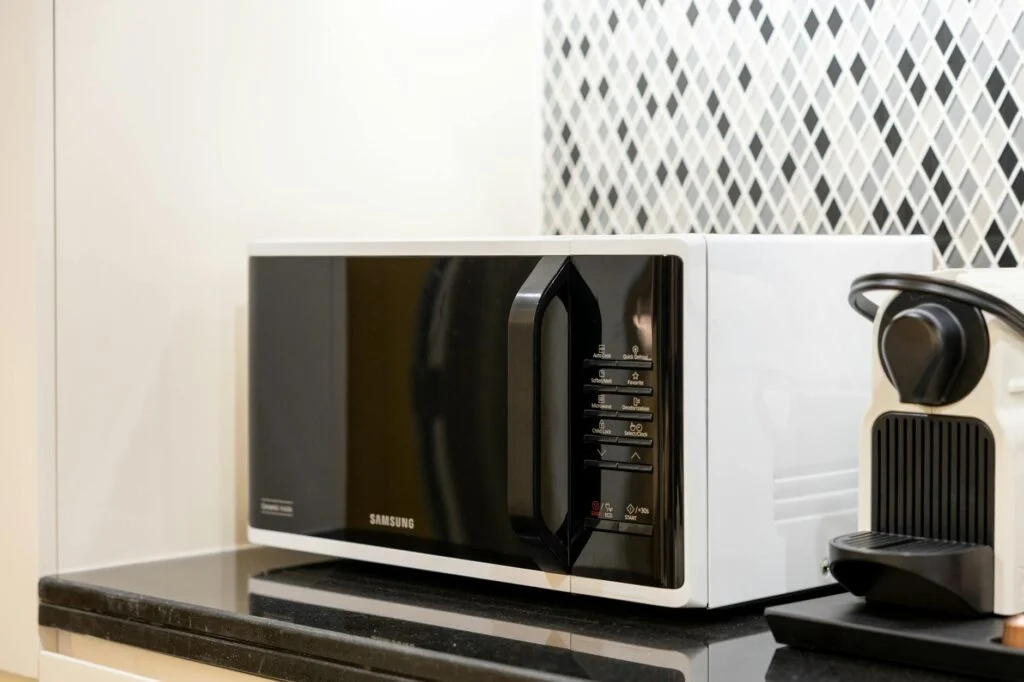
Where you place your machine also matters. Ensure it has at least a few inches of clear space on all sides for proper ventilation. Pushing it directly against a wall or tucking it under a low cabinet can trap heat, forcing the internal components to run hotter than they should. Following a simple maintenance schedule is the easiest way to keep everything in check and prevent overheating before it ever starts.
| Maintenance Task | Recommended Frequency | Primary Benefit |
|---|---|---|
| Rinse Cycle (Water Only) | Daily, after last use | Flushes coffee oils and grounds, prevents clogs. |
| Empty Drip Tray & Capsule Bin | Daily or every other day | Prevents blockages, leaks, and mold. |
| Descaling | Every 3 months or after 300 capsules | The key action to remove limescale and prevent overheating. |
| Use Filtered Water | Always | Reduces the speed of mineral buildup. |
By integrating these simple practices into your daily and quarterly routine, you transition from reactive problem-solving to proactive care, ensuring your Nespresso machine remains a reliable source of coffee joy.
Conclusion: a cool machine for a perfect coffee
Keeping your Nespresso machine from overheating is not a complex task but one that requires consistency. As we’ve explored, the issue rarely stems from a sudden malfunction but rather the gradual accumulation of limescale, minor blockages, and habits of overuse. By recognizing the warning signs—such as unusual noises, slow flow, and inconsistent temperatures—you can address problems before they escalate. The solution lies in a proactive maintenance routine centered on regular descaling with the proper solution, supplemented by daily rinsing and ensuring good ventilation. This small investment of time not only prevents the frustration of an overheating machine but also significantly extends its lifespan and, most importantly, preserves the quality and taste of every single cup of coffee you brew.