




Quiet your grind: How to minimize noise and vibration in your home espresso grinder setup
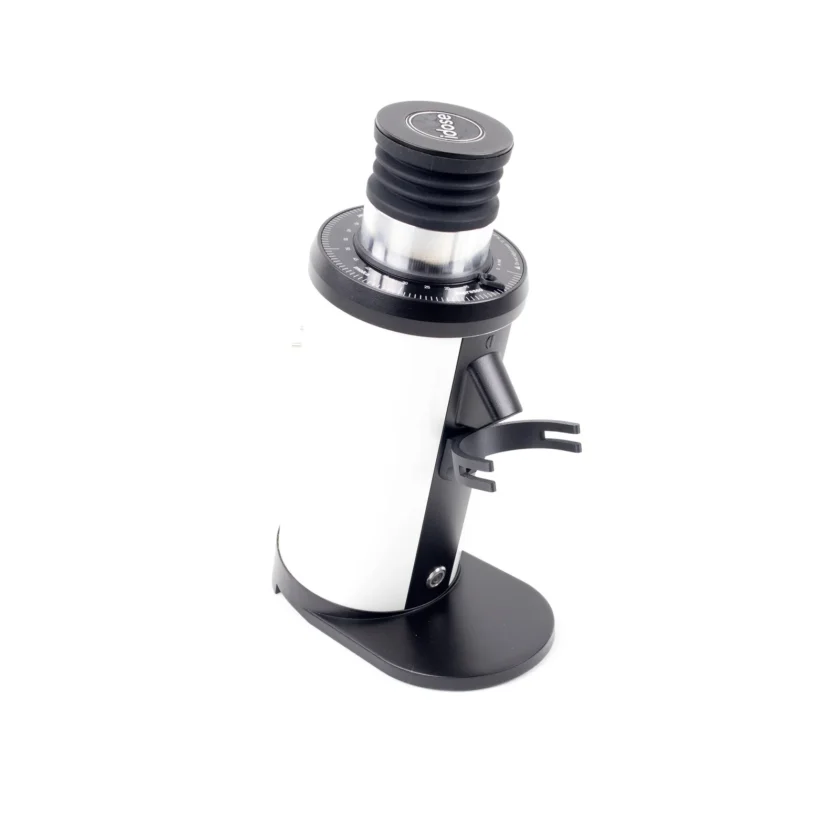
The powerful whir of a coffee grinder is often the first sound of a promising morning, signaling the start of a delicious espresso ritual. However, for family members or housemates still asleep, it can be an unwelcome alarm clock. High-quality espresso grinders, with their powerful motors and precision burrs, are engineered for performance, but this often comes at the cost of noise and significant vibration. These vibrations can travel through your countertops, amplifying the sound and creating a disruptive racket. This guide will explore the sources of this noise and provide a range of practical solutions, from simple placement adjustments to more involved modifications, to help you create a quieter, more peaceful coffee corner in your home.
Understanding the source of the noise
Before you can effectively silence your grinder, it’s important to understand where the noise and vibration actually come from. The racket your grinder produces isn’t a single sound but a combination of factors, primarily stemming from two sources: the motor and the act of grinding itself. The low-frequency hum and vibration originate from the motor as it spins the burrs. The high-frequency, crunching sound is the burrs pulverizing the dense coffee beans. This combination creates a complex sound profile that is then amplified by your environment.
Vibration is the hidden culprit that turns a contained noise into a room-filling disturbance. The grinder’s motor and mechanical action create vibrations that travel from its base directly into your countertop. If your counter is made of a resonant material or is hollow in sections, it acts like the body of a guitar, amplifying these vibrations and broadcasting them as loud, low-frequency noise. By identifying these distinct sources—motor vibration and grinding crunch—and understanding how your environment amplifies them, you can strategically apply the solutions in the following chapters to tackle the problem at its root.
Simple solutions for immediate relief
You don’t need to be a DIY expert to make a significant dent in your grinder’s noise output. Some of the most effective methods are also the simplest, requiring little to no cost or special equipment. These strategies focus on isolating the grinder from resonant surfaces and dampening the sound at its source.
- Strategic placement: Where you place your grinder matters. Avoid placing it directly over a hollow cabinet or near a wall that can echo and amplify the sound. The most solid part of your countertop, such as directly over a cabinet support or on a thick butcher block, will be much quieter as it’s less prone to vibration.
- Use a dampening mat: This is perhaps the single most effective and easiest fix. Placing a dense, vibration-absorbing mat under your grinder decouples it from the countertop, stopping the vibrations in their tracks. You don’t need a specialized product; many household items work well.
- A thick rubber espresso tamping mat
- A dense cork placemat or tile
- Anti-vibration pads designed for washing machines
- Even a neatly folded kitchen towel can make a noticeable difference
- Manage the hopper: The bean hopper can be another source of rattling and noise. Keeping it full of beans can help muffle some of the high-frequency grinding sounds. Furthermore, ensure the lid fits snugly. If it rattles during operation, placing a small piece of felt or a thin rubber band around the rim can create a tighter seal and eliminate the chattering noise.
Advanced techniques and modifications
If the simple solutions aren’t enough for your pre-dawn espresso routine, it might be time for more advanced methods. These techniques require a bit more effort but can yield dramatic results, transforming a roaring machine into a much more manageable hum. A word of caution: Opening your grinder’s casing will likely void its warranty, so proceed with care and at your own risk.
One popular technique among coffee enthusiasts is adding internal sound-dampening material. This involves carefully opening the grinder’s housing and applying materials designed to absorb sound and vibration directly to the interior panels. Products like Dynamat or Noico, commonly used for car audio soundproofing, are excellent for this. They are self-adhesive sheets of mass-loaded vinyl and foam that add density to the panels, reducing their ability to vibrate. When applying them, be extremely careful to avoid blocking any air vents, as this can cause the motor to overheat.
For a less invasive but highly effective solution, you can build a sound-dampening enclosure or box for your grinder. This can be a simple three-sided box made from MDF or plywood that you place over the grinder during use. To maximize its effectiveness, line the inside of the box with acoustic foam or mass-loaded vinyl. This creates an acoustic barrier that traps the sound waves, significantly reducing the noise that escapes into the room. While it adds an extra step to your workflow, a well-built enclosure can be the ultimate solution for peaceful grinding.
Choosing the right grinder for a quiet setup
For those in the market for a new grinder, prioritizing low-noise features during the selection process can save you a lot of hassle later. Not all grinders are created equal when it comes to sound levels. The design, materials, and internal mechanics play a huge role in how much noise and vibration a grinder produces. A heavier grinder with a solid metal body will naturally absorb more vibration than a lightweight, plastic-bodied model.
The motor is another key factor. Grinders with belt-driven systems or high-quality DC motors tend to run smoother and quieter than direct-drive AC motor grinders. Similarly, the speed at which the burrs rotate matters. Grinders with lower RPMs, often found in high-end conical burr models, tend to produce a lower-frequency sound that is generally perceived as less jarring than the high-pitched whine of a high-RPM machine. By considering these elements, you can invest in a grinder that is engineered from the ground up for a quieter performance.
| Feature | Impact on Noise and Vibration | Example Characteristics |
|---|---|---|
| Motor Type | High Impact. DC motors and belt-drive systems are generally quieter and produce less vibration than direct-drive AC motors. | Niche Zero (DC Motor), Baratza Sette series (Belt-Drive) |
| Body Construction | High Impact. Heavy, dense materials like cast metal absorb vibrations effectively. Lighter plastic bodies can resonate and amplify noise. | Heavy-duty metal housing vs. lightweight plastic casing |
| Grind Speed (RPM) | Medium Impact. Lower RPMs often result in a lower-pitch, less abrasive grinding sound compared to high-speed grinders. | Grinders running at 400-600 RPM vs. those at 1000+ RPM |
| Burr Type | Low Impact. While not a primary factor, conical burrs are often paired with lower RPM motors, indirectly contributing to a quieter operation. | Conical burrs vs. flat burrs |
Conclusion
Achieving a quiet and serene home espresso experience is entirely within reach. The disruptive noise and vibration from your grinder aren’t problems you simply have to tolerate. By first understanding that the issue stems from both the motor’s vibration and the physical act of grinding, you can apply targeted solutions. We’ve covered a full spectrum of remedies, starting with simple, no-cost adjustments like strategic placement and using a common dish towel as a dampening mat. We then explored more involved modifications, such as adding internal soundproofing or building an enclosure for maximum effect. Finally, we looked at key design features to consider when buying a new grinder. By implementing even a few of these tips, you can dramatically reduce noise, ensuring your coffee ritual is a peaceful start to the day for everyone in your home.