
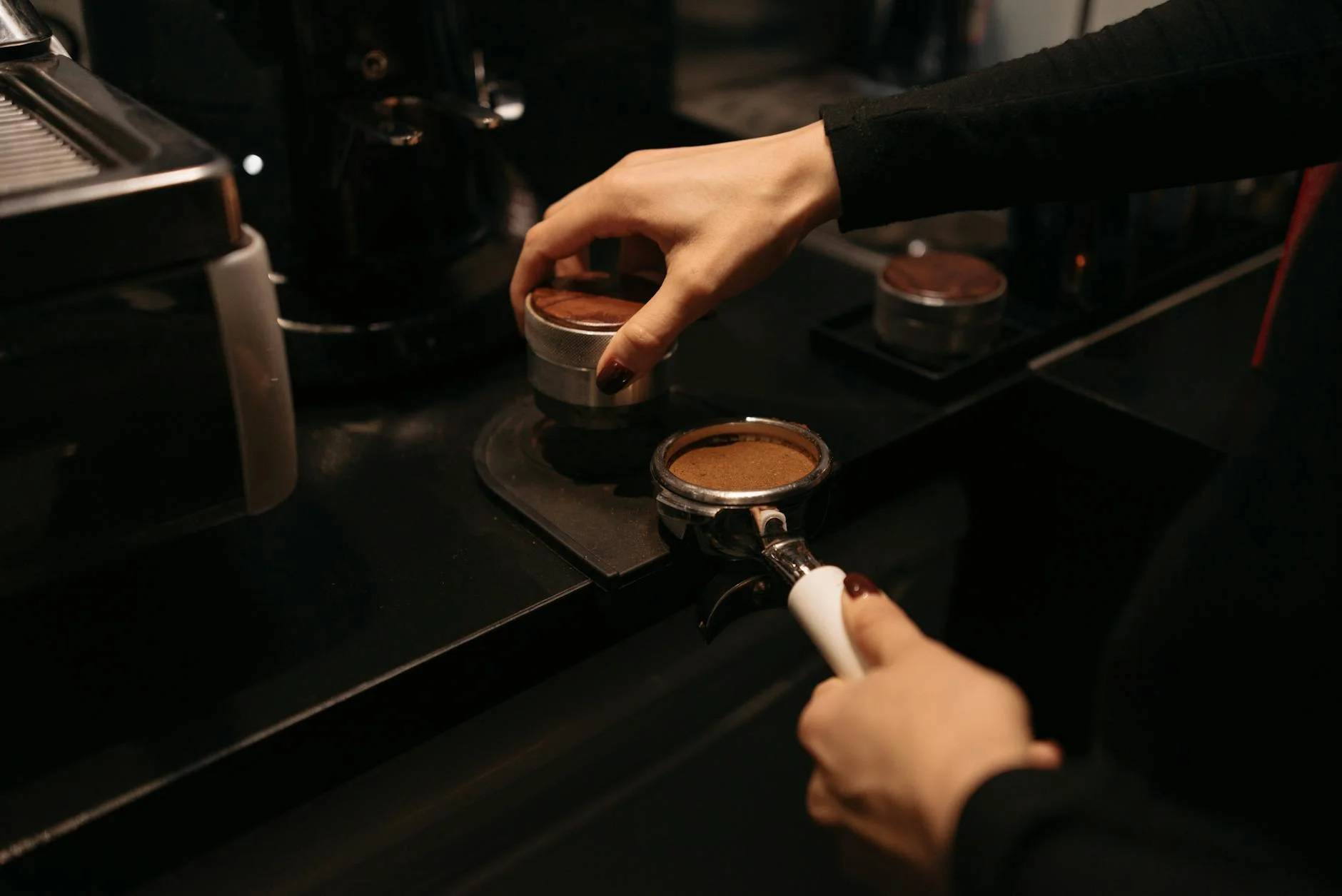
Adjusting espresso grind size for the Gaggia Classic Pro flow rate
The Gaggia Classic Pro is a capable single-boiler espresso machine, but its factory-set flow rate presents a unique variable that requires careful management. Unlike commercial machines or those with advanced flow control, the Classic Pro’s vibratory pump operates at a relatively high, unrestricted flow. This characteristic means that the coffee puck itself is the primary source of resistance needed to generate brewing pressure. Consequently, achieving a balanced extraction is almost entirely dependent on dialing in the grind size with precision. For the experienced home barista, understanding how to adjust your grinder to complement this flow rate is not just a step in the process; it is the core skill for unlocking the machine’s potential and producing consistent, high-quality espresso.
Understanding the Gaggia’s stock flow rate
Without a portafilter installed, a stock Gaggia Classic Pro can dispense around 10 grams of water per second. This high flow rate means that water will saturate the coffee puck very quickly. If the grind is too coarse, the water will pass through it too easily, a phenomenon known as channeling. This results in an under-extracted shot, characterized by a thin body, sour taste, and minimal crema. The goal is to create enough resistance within the puck to slow this flow, allowing proper pressure to build and ensuring water contacts the coffee grounds evenly for the appropriate duration. The ideal shot time for a traditional espresso is typically between 25 and 30 seconds, and grind size is your primary tool for achieving this target with the Classic Pro.
The relationship between grind size and puck resistance
To counteract the machine’s high flow, a finer grind is necessary. Smaller coffee particles create a more compact puck with less space between them. This increased density provides the resistance required to slow the water flow and build the 9 bars of pressure needed for espresso. However, the process is a balancing act. If the grind is too fine, the puck can become overly compacted, restricting water flow almost completely and leading to an over-extracted shot with bitter, harsh flavors. The “sweet spot” is a grind fine enough to force the machine to work, but not so fine that it chokes the flow entirely. This is why small, incremental adjustments on a capable grinder are critical.
A systematic approach to dialing in your grind
Dialing in your grind for the Gaggia Classic Pro should be a methodical process. Start with a consistent dose of coffee, typically between 16 and 18 grams for a standard double basket. Begin with a grinder setting that you suspect is close to the correct size. Prepare your puck meticulously, ensuring an even distribution and a level tamp. Pull a shot and time it from the moment you engage the pump. Observe the output weight in your cup using a scale.
- If your target 1:2 ratio (e.g., 18g in, 36g out) is reached in under 20 seconds, your grind is too coarse. Adjust your grinder to a finer setting.
- If the shot takes over 35 seconds to reach the target yield, your grind is too fine. Adjust your grinder to a coarser setting.
- Make one small adjustment at a time. Trying to change dose and grind simultaneously introduces too many variables and makes it difficult to isolate the cause of any issues.
The role of puck preparation
While grind size is paramount, meticulous puck preparation is essential for consistency. An evenly distributed bed of coffee ensures that water flows through the entire puck uniformly, preventing channels from forming. Channeling is a significant issue with the Classic Pro’s high flow rate, as the water will exploit any path of least resistance it can find. Uneven density within the puck creates these paths. Using a Weiss Distribution Technique (WDT) tool can break up clumps and evenly distribute the grounds. Similarly, ensuring a firm and level tamp creates a uniformly dense puck, which is critical for resisting the initial surge of water from the pump and promoting a balanced extraction.
Conclusion
Mastering grind size adjustment for the Gaggia Classic Pro is a matter of respecting the machine’s specific hydraulic behavior. Its high, unregulated flow rate places the burden of pressure generation squarely on the coffee puck. This demands a finer grind and a more precise dialing-in process than might be required on machines with different pump characteristics. By methodically adjusting your grind, maintaining a consistent dose, and focusing on flawless puck preparation, you can tame the machine’s aggressive flow. The result is the ability to create the necessary resistance for a balanced, flavorful extraction. This foundational skill transforms the Gaggia Classic Pro from a challenging machine into a reliable tool for crafting exceptional espresso. For those looking to refine their technique, various puck preparation tools are available that can aid in achieving greater consistency.
 No products in the cart.
