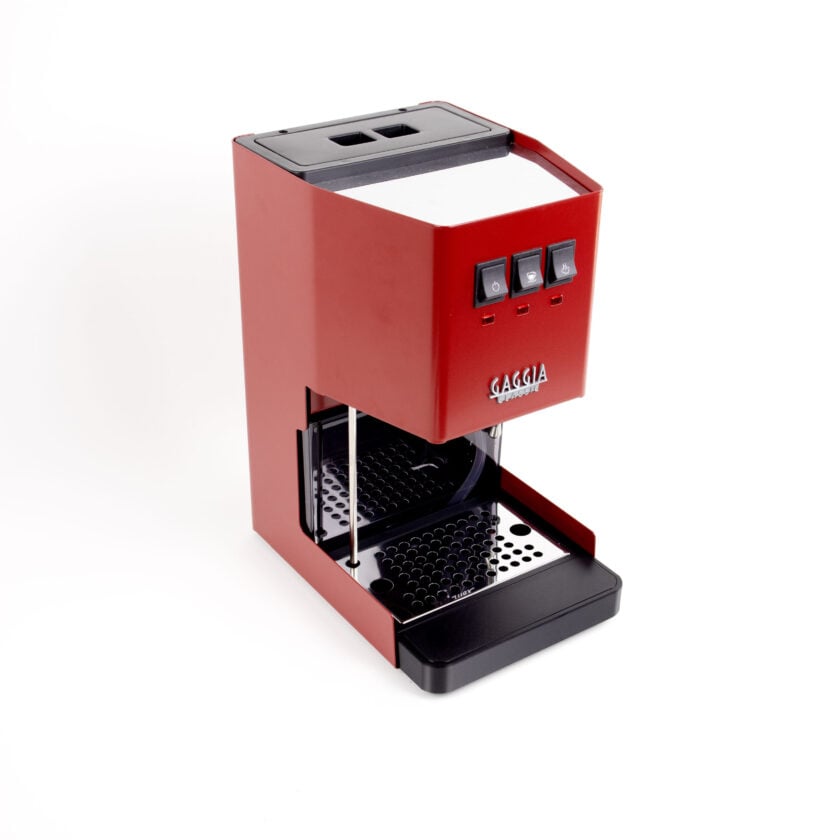



Understanding the Gaggia Classic Pro’s small boiler
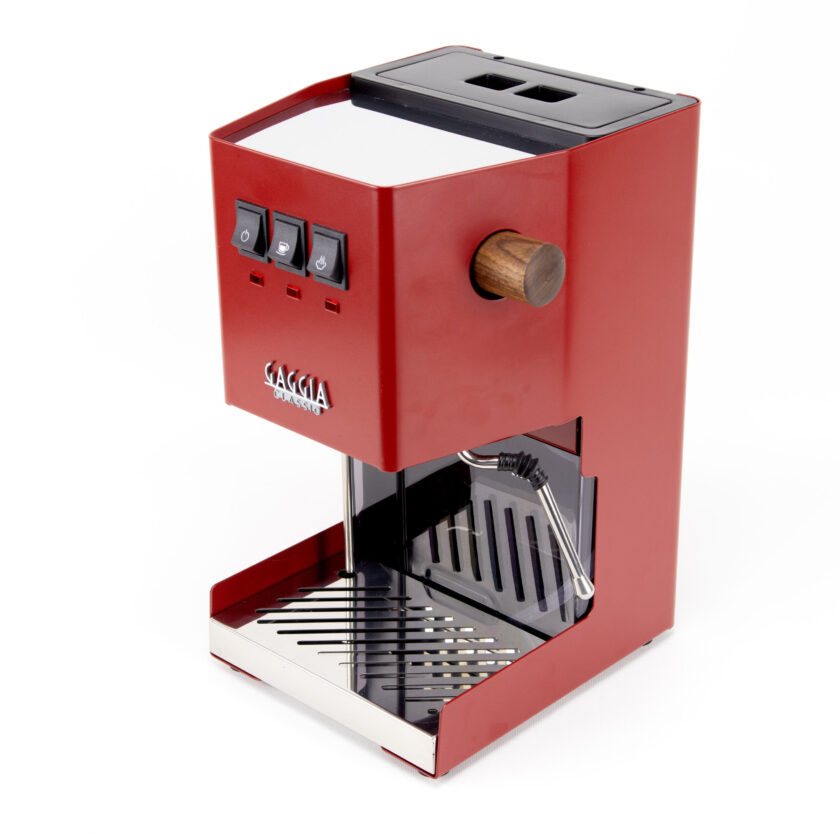
Dialing in espresso on a Gaggia Classic Pro requires a specific approach that accounts for its defining feature: a small, 3.5-ounce boiler. While this design allows for a quick warm-up time, it also makes the machine highly susceptible to temperature fluctuations during and between shots. For the experienced home barista, mastering this variable is the key to unlocking the machine’s full potential and achieving consistent, high-quality extractions. Unlike larger, more thermally stable systems, the Gaggia Classic Pro demands a hands-on, observant process where the user actively manages temperature. This guide provides a technical framework for navigating the intricacies of this popular manual espresso machine, focusing on practical steps to achieve shot-to-shot repeatability.
Managing boiler temperature
The primary challenge with the Gaggia Classic Pro is its limited thermal stability. The small boiler heats quickly but also loses heat rapidly when brewing or steaming. To counteract this, a technique known as “temperature surfing” is essential. This process involves intentionally manipulating the brew and steam switches to bring the boiler to a consistent and optimal brewing temperature right before pulling a shot. A common method is to run the steam switch for a few seconds to heat the boiler above the target brew temperature, then purge water through the group head until the heating element kicks back in, and then starting the shot just as the ready light turns off. This ensures the water hitting the coffee puck is at a predictable temperature, shot after shot.
Dialing in your dose and grind
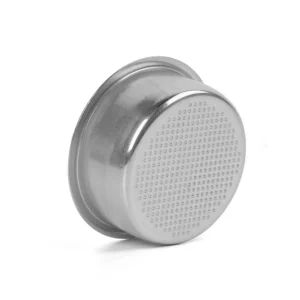
With temperature under control, the next variables are dose and grind size. The Gaggia Classic Pro typically performs best with a dose between 17 and 18 grams in its stock double basket. A consistent dose is critical, so using a scale with 0.1-gram precision is recommended. Once your dose is set, the grind size becomes the primary tool for controlling shot time. Start with a grind setting that feels fine to the touch, similar to granulated sugar. Your goal is a total extraction time of 25 to 30 seconds for a 1:2 brew ratio (e.g., 18 grams of ground coffee yielding 36 grams of liquid espresso). If your shot runs too fast, your grind is too coarse. If it runs too slow or chokes the machine, your grind is too fine. Make small, incremental adjustments to your grinder for each subsequent shot.
The importance of puck preparation
Even with the correct dose and grind, poor puck preparation can ruin a shot. Channeling, where water finds a path of least resistance and extracts unevenly, is a common issue. To prevent this, focus on consistent distribution and tamping. After grinding into your portafilter, use a distribution tool to level the grounds and break up any clumps. This step ensures a homogenous coffee bed, which is vital for an even extraction. When tamping, apply firm, level pressure to create a compact and uniform puck. The goal is not to press as hard as possible, but to be consistent with your pressure each time. A well-prepared puck is your best defense against channeling and ensures that the water passes through the coffee evenly.
Observing the extraction
A bottomless portafilter is an invaluable diagnostic tool for the Gaggia Classic Pro user. It allows you to see the extraction as it happens, revealing any flaws in your technique. A perfect shot should begin with several small beads of espresso forming across the entire surface of the basket. These beads will then coalesce into a single, steady stream in the center. If you see “blonding” (the stream turning a pale yellow) too early, it may indicate an uneven extraction or a grind that is too coarse. If the shot starts with jets of espresso spraying from different areas (channeling), it points to issues in your puck preparation. Use these visual cues to make informed adjustments to your dose, grind, or tamping technique for the next shot.
Conclusion
Mastering the Gaggia Classic Pro is a process of learning to manage its thermal instability while controlling the fundamental variables of dose, grind, and puck preparation. The key is to adopt a methodical approach, changing only one variable at a time and observing the results. By understanding how the small boiler behaves and implementing techniques like temperature surfing, you can achieve a level of consistency that rivals much more expensive machines. The process demands patience and attention to detail, but the reward is the ability to produce exceptional espresso tailored precisely to your taste. For those looking to refine their technique, quality accessories and tools can aid in achieving consistency and are available from retailers like papelespresso.com.