
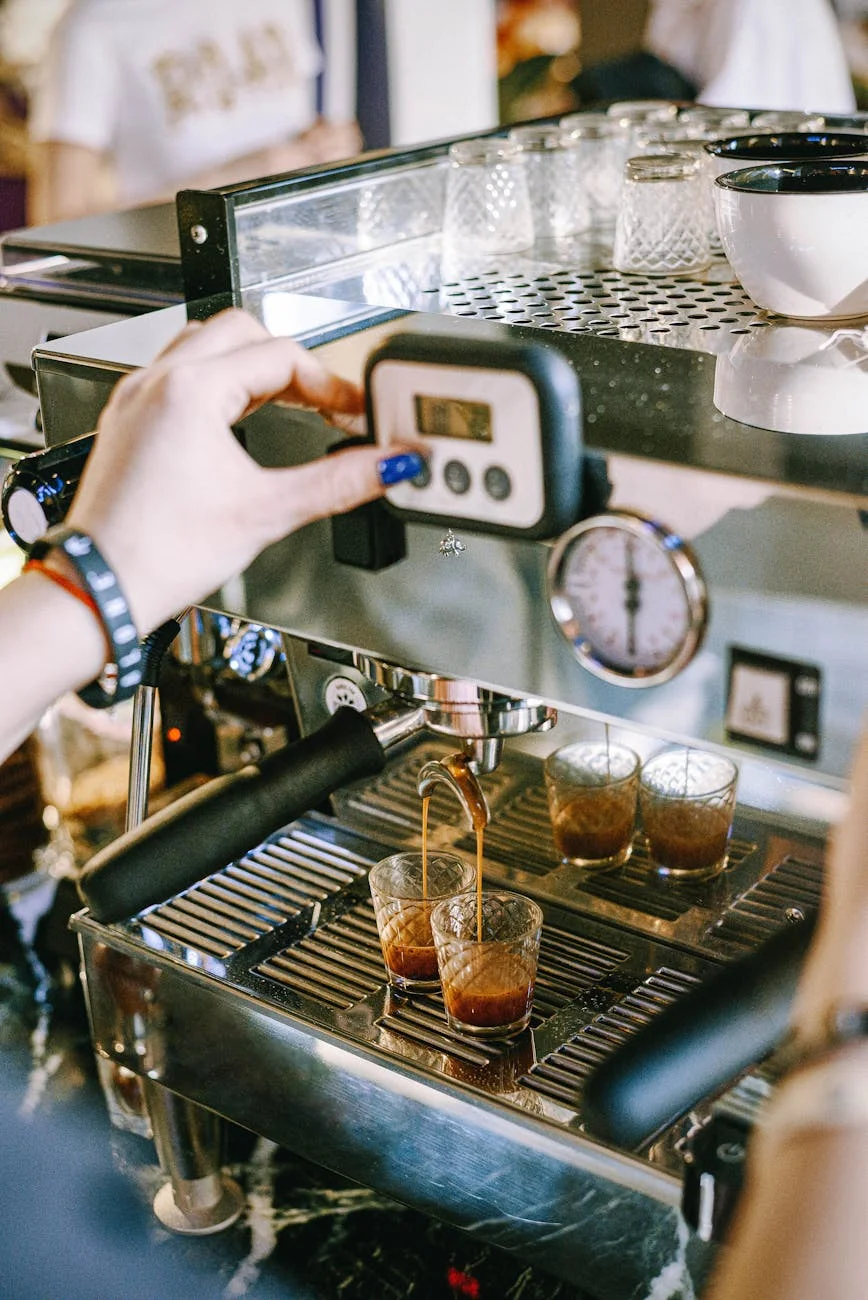
Mastering back-to-back shots: A guide to temperature stability on the Gaggia Classic Pro
The Gaggia Classic Pro is a capable single-boiler espresso machine, beloved for its simplicity and the quality of shots it can produce. However, its design presents a distinct challenge for the home barista: maintaining thermal stability when preparing consecutive drinks. Pulling a second or third shot immediately after the first often results in a significant drop in brew temperature, leading to under-extracted, acidic espresso. This loss of consistency can be a major source of frustration.
For the experienced user, managing this variable is the key to unlocking the machine’s full potential, especially when entertaining guests. This guide provides a technical, repeatable workflow for managing the Gaggia’s heating cycle to produce back-to-back shots without sacrificing temperature or quality.
Understanding the Gaggia’s heating cycle
At the heart of the Gaggia Classic Pro is a small, single boiler responsible for heating water for both brewing and steaming. This boiler is controlled by a simple thermostat that operates within a range, often called a “deadband.” The heating element turns on when the temperature drops to the bottom of this range and switches off when it reaches the top. This creates a natural temperature swing of several degrees even when the machine is idle.
When you pull a shot, the pump introduces cold water from the reservoir into the boiler. This influx of colder water causes a rapid and significant drop in the overall temperature. The thermostat will eventually detect this drop and activate the heating element, but by then, the water passing through the coffee puck is already too cool. The primary goal of a back-to-back workflow is to manage this process proactively, ensuring the heating element is engaged before you begin the second extraction.
Establishing a stable baseline temperature
You cannot achieve consistency between two shots if the first one is not properly prepared. A stable starting point is non-negotiable. Begin with a thorough warm-up of at least 15 to 20 minutes, with the portafilter locked into the group head. This ensures that both the boiler and the surrounding metal components are fully saturated with heat.
Before your first shot, perform a brief flush of water through the group head. This serves two purposes: it purges any overly hot water sitting at the bottom of the boiler and it adds a final boost of heat to the group head and portafilter. Once the machine is fully heated and you have pulled your first quality shot, you can then move on to the specific workflow required for the second.
A workflow for consecutive shots
This workflow is designed to be executed efficiently. The goal is to minimize the time the portafilter is out of the group head and to intelligently control the heating cycle. Every step is deliberate.
- Step 1: End the first shot and begin. As soon as your first espresso extraction is complete, the process begins. The boiler temperature is now at its lowest point.
- Step 2: Clean and purge. Immediately unlock the portafilter, discard the used puck, and wipe the basket clean. Place the portafilter on your work surface for the next dose. Perform a very quick flush of the group head for one to two seconds to clear any residual coffee grounds from the shower screen.
- Step 3: Prepare the next puck. Working efficiently, prepare your next dose of coffee. Grind, distribute, and tamp your grounds into the dry portafilter basket. A smooth and practiced puck preparation routine is essential to minimize heat loss from the group head.
- Step 4: Monitor the heating light. While you are preparing the puck, the machine’s heating cycle is the most important factor. The flush you performed in Step 2 should have triggered the heating element, meaning the “ready” light on the machine will have turned off. Your goal is to wait for this light to turn back on, which signals that the boiler has reached the top of its temperature range.
- Step 5: Time the second shot. This is the most critical step. Once the ready light comes back on, do not brew immediately. Lock in your portafilter and wait a specific amount of time—typically between 5 and 10 seconds—before starting the extraction. This brief coasting period allows the heat in the boiler to stabilize, ensuring you are not brewing with the declining temperature at the very end of the heating cycle. This timing provides a buffer against the incoming cold water, allowing for a much more stable brew temperature for your second shot.
Advanced considerations for consistency
Beyond the core workflow, a few other factors contribute to thermal management. The portafilter itself is a major source of heat loss. When preparing back-to-back shots, never rinse the portafilter with cold water. A quick wipe with a dry cloth is all that is needed. The longer the portafilter remains locked in the group head, the more stable your environment will be.
For baristas seeking the highest level of precision, the techniques described here are the pinnacle of what can be achieved with a stock Gaggia Classic Pro. The workflow effectively mimics the logic of a more advanced PID controller by using the machine’s own thermostat and ready light as indicators. By understanding the machine’s behavior, you can work with its design, rather than against it, to achieve remarkable consistency.
Conclusion
Pulling consistent back-to-back shots on a Gaggia Classic Pro is not about speed, but about deliberate technique. The key is to understand and actively manage the machine’s inherent heating cycle. By forcing a heating cycle after the first shot, preparing the second puck efficiently, and timing the extraction from the moment the ready light indicates peak temperature, you can overcome the primary challenge of a single-boiler system. This approach transforms a potential point of frustration into a display of skill, allowing you to reliably produce high-quality espresso for yourself and others without a long wait. Mastering this workflow requires practice, but the resulting quality and consistency are well worth the effort. For those looking to refine their technique, having reliable and well-made accessories can help improve workflow efficiency, and a range of such tools are available from specialists like papelespresso.com.
 No products in the cart.
