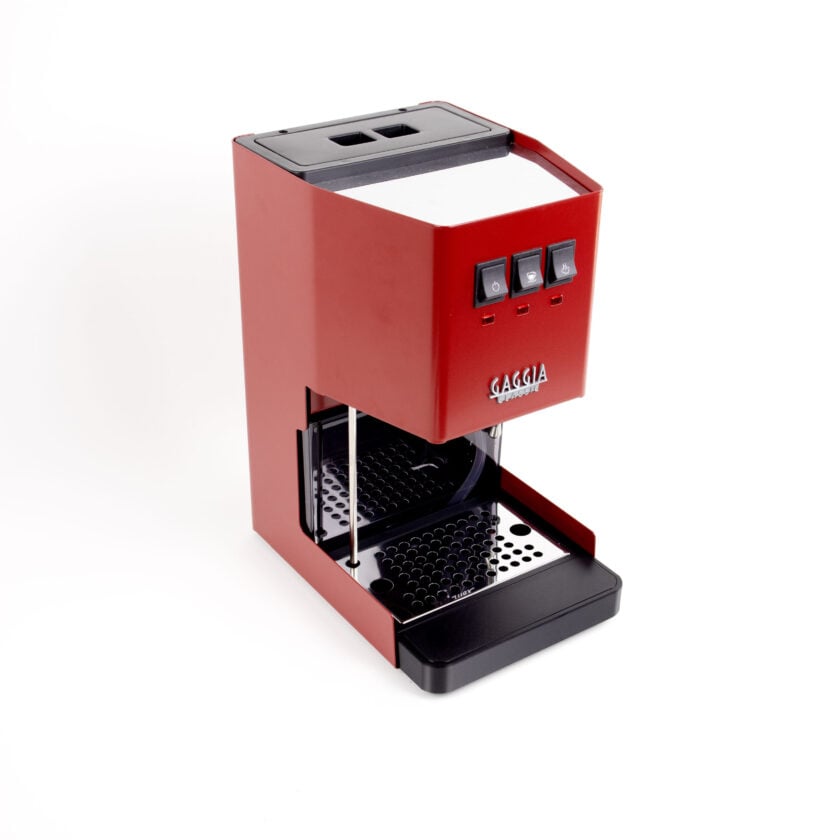



Managing boiler recovery time between Gaggia espresso shots
For the dedicated home barista, consistency is the ultimate goal. Achieving a balanced, repeatable espresso shot on a manual machine like the Gaggia Classic Pro requires mastering numerous variables, from grind size to tamping pressure. One of the most critical yet often misunderstood factors is boiler recovery time. This brief period between pulling shots is when the machine’s small boiler reheats to an optimal brewing temperature. Mismanaging this interval can lead to significant variations in extraction quality, turning a potentially perfect shot into a disappointing one. Understanding the thermal dynamics of your machine is fundamental to moving from inconsistent results to deliberate, precise control over every espresso you brew.
Understanding Gaggia boiler thermodynamics
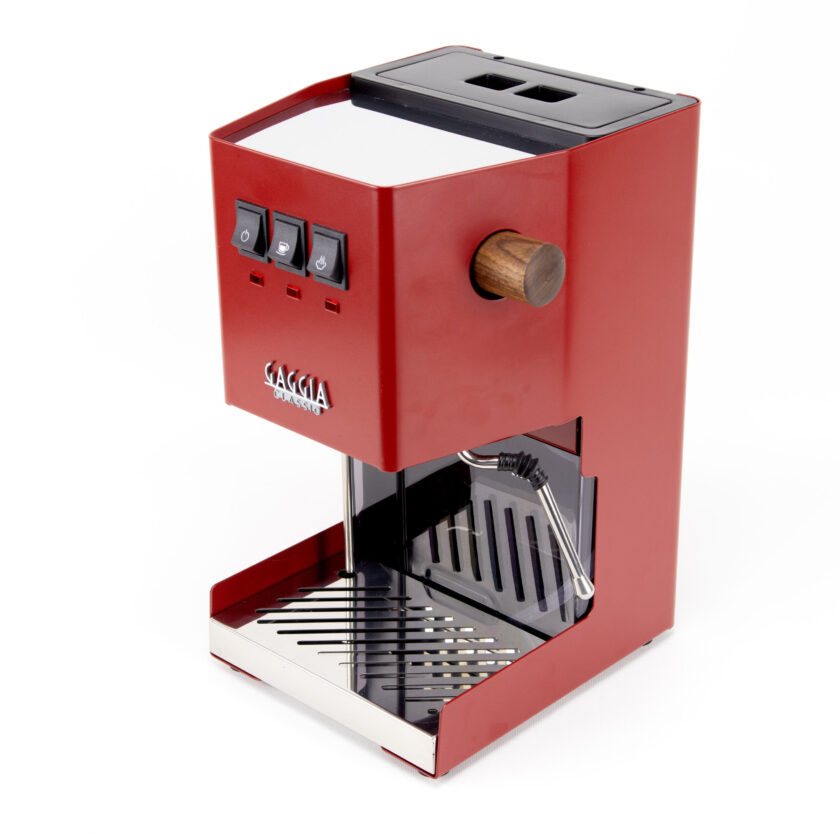
Classic Gaggia espresso machines, renowned for their simplicity and effectiveness, utilize a small, single-boiler system. This design is compact and heats up relatively quickly, but its size also makes it susceptible to temperature fluctuations. The boiler, typically made of aluminum or stainless steel, holds a limited volume of water that is heated by an external element. A simple bimetallic thermostat controls this process, cycling the heating element on and off to maintain a target temperature range.
When you pull a shot, hot water exits the boiler and is replaced by colder water from the reservoir. This influx causes a significant temperature drop. Similarly, steaming milk releases a large amount of thermal energy. After either activity, the boiler needs time to recover. The thermostat detects the temperature decrease and activates the heating element. The time it takes for the water to return to the ideal brewing range—typically 90-96°C (195-205°F)—is the recovery period. Its duration depends on the initial temperature drop and the efficiency of the heating system.
The impact of recovery time on extraction
The temperature of the brew water has a direct and profound effect on how soluble compounds are extracted from the coffee grounds. Inconsistent temperatures between shots will lead to inconsistent flavors in the cup. If the recovery time is too short, the water will be too cool, resulting in an under-extracted shot. This often manifests as a sour, acidic taste with a thin body and a lack of sweetness and complexity. The lower thermal energy is simply insufficient to dissolve the desirable sugars and oils from the coffee.
Conversely, if you wait too long, the boiler can overshoot the target temperature, a common behavior in thermostat-controlled machines. Brewing with water that is too hot will cause over-extraction. This creates a harsh, bitter, and often astringent taste, masking the coffee’s delicate nuances. By mastering a consistent recovery time, you effectively standardize the starting brew temperature, which is a cornerstone of achieving shot-to-shot repeatability.
Practical techniques for managing recovery
Without precise temperature measurement, managing boiler recovery on a Gaggia requires developing a consistent workflow and learning the machine’s cues. A technique known as “temperature surfing” is a popular method for achieving this. It involves intentionally timing your shot based on the boiler’s heating cycle, which is indicated by the machine’s ready light.
A common approach is to initiate a brief flush of water through the group head to stabilize its temperature. After pulling a shot or steaming, wait for the heating light to turn off, indicating the thermostat has reached its cutoff point. At this moment, the water is often at its hottest. Many baristas find the best results by waiting a specific number of seconds after the light turns off before starting the next shot. This allows the temperature to drift down into the optimal brew range. The key is experimentation and consistency; use a timer to establish a repeatable routine that works for your specific machine and coffee.
| Workflow Step | Purpose | Key Consideration |
|---|---|---|
| Post-shot flush | Clean the screen and stabilize group head temperature. | A short 1-2 second flush is usually sufficient. |
| Wait for ready light | Observe the thermostat cycle. The light turns on when heating, off when ready. | Timing begins when the light turns off. |
| Timed wait | Allow the boiler temperature to settle into the desired brewing range. | Experiment with intervals (e.g., 10, 15, or 20 seconds) to find the sweet spot. |
| Brew next shot | Initiate brewing at a consistent temperature point. | Repeat the exact same timing for every subsequent shot. |
Advanced modifications and thermal stability
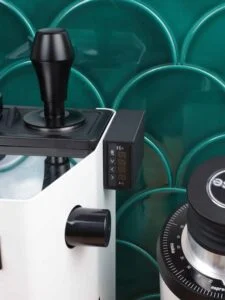
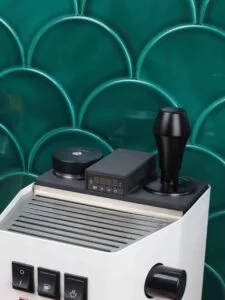
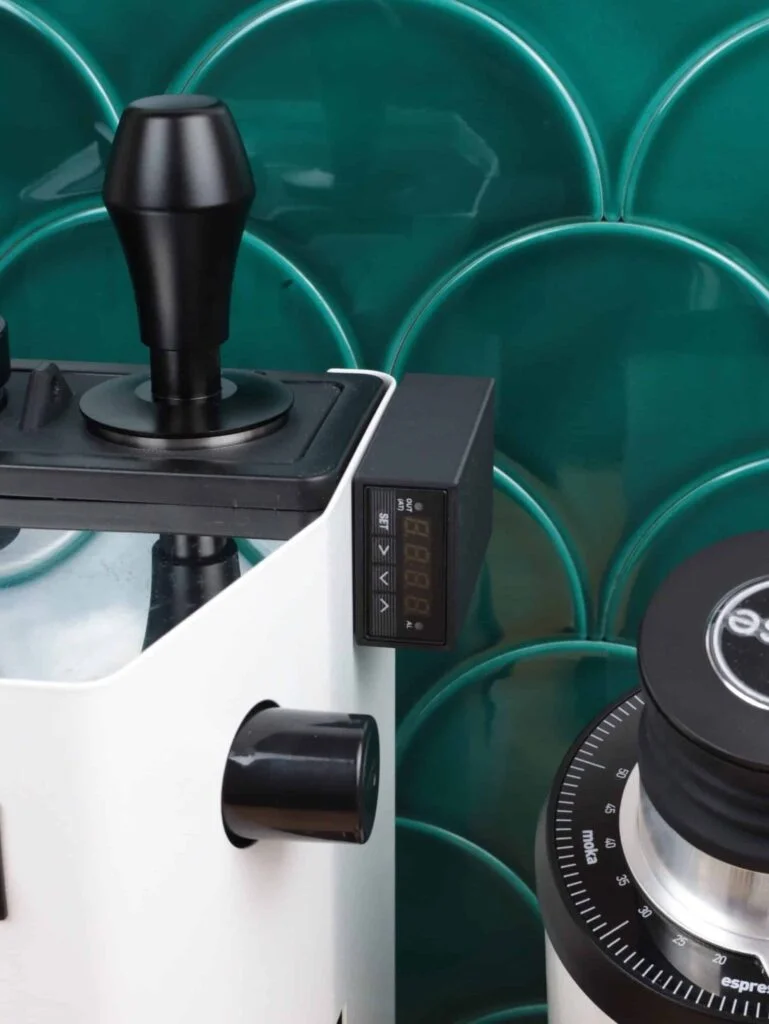
For baristas seeking to eliminate the guesswork of temperature surfing, installing a PID (Proportional-Integral-Derivative) controller is the most effective upgrade. A PID replaces the machine’s rudimentary thermostat with a sophisticated digital controller and a precise temperature sensor (thermocouple or RTD) placed directly on the boiler.
This modification provides real-time temperature readings and allows the user to set a specific target brew temperature to within a fraction of a degree. The PID algorithm intelligently pulses the heating element to maintain that temperature with minimal fluctuation, drastically reducing the boiler’s temperature swings. With a PID-controlled machine, recovery time becomes a more predictable and observable process. You can simply wait for the display to show your target temperature is stable before pulling the next shot, ensuring an exceptional level of consistency that is difficult to achieve with the stock thermostat.
Conclusion
Mastering boiler recovery time on a Gaggia espresso machine is a mark of a skilled home barista. It requires moving beyond default operation and engaging with the machine on a deeper, more technical level. By understanding the thermal dynamics of the single boiler, recognizing the impact of temperature on extraction, and developing a disciplined workflow, you can significantly reduce shot-to-shot variability. Whether through manual techniques like temperature surfing or with the aid of advanced modifications like a PID controller, controlling this crucial variable is key to unlocking the full potential of your Gaggia and producing consistently excellent espresso. For those interested in refining their workflow, quality tools and accessories can further support this pursuit of precision.