



The evolution of espresso machine modding for home baristas
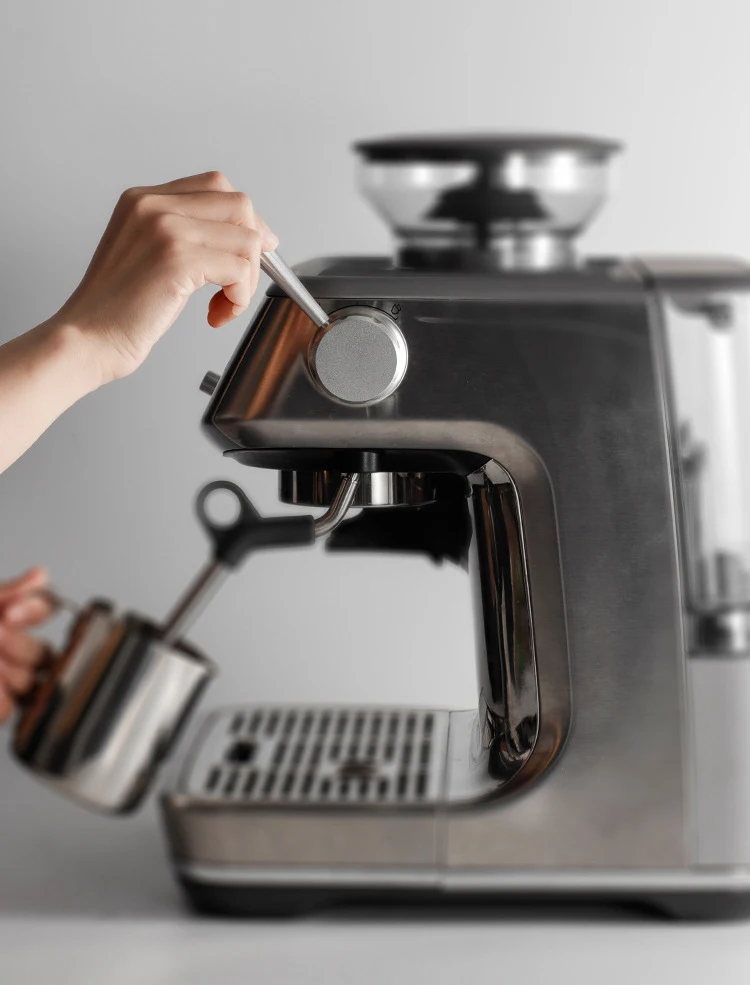
The pursuit of the perfect espresso shot is a journey of continuous refinement. For the dedicated home barista, this journey often extends beyond dialing in grind size and mastering tamping technique. It enters the realm of machine modification, or “modding.” This practice involves altering or adding components to an espresso machine to enhance its performance, consistency, and control, moving it beyond its stock capabilities. Understanding the evolution of these modifications, from simple temperature controllers to sophisticated pressure profiling systems, offers insight into the community’s collective quest for greater control over the extraction process. For users of manual and prosumer machines, these modifications represent the bridge between factory settings and bespoke performance.
Controlling the core: temperature stability
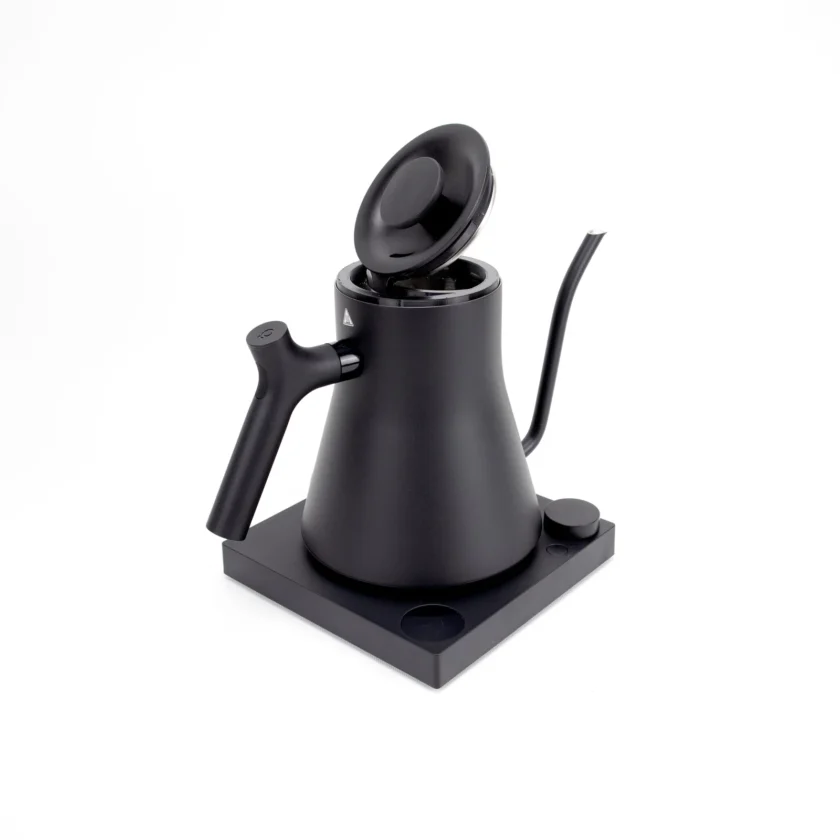
One of the earliest and most impactful areas of home espresso modification was temperature control. Inconsistent brew temperature is a primary obstacle to repeatable, high-quality extractions. Early single-boiler and heat-exchanger machines often relied on simple thermostats with wide temperature swings, sometimes as much as 10-15°C. This variability made it difficult to consistently extract the desired flavors from a coffee.
The introduction of the Proportional-Integral-Derivative (PID) controller was a transformative development. A PID controller replaces the machine’s native thermostat, using an algorithm to learn the machine’s heating behavior. It intelligently pulses the heating element to maintain a brew temperature with remarkable stability, often within a fraction of a degree. This modification provides the user with direct, digital control over one of coffee’s most critical variables, allowing for precise targeting of specific flavor profiles in a way that was previously only available on high-end commercial machines.
Mastering pressure and flow
While temperature stability laid the groundwork, the next frontier was managing water pressure and flow rate during the shot. Standard vibratory and rotary pumps deliver a consistent, high pressure (typically 9 bar) almost instantly. However, advanced extraction theories highlighted the benefits of variable pressure, including a gentle pre-infusion to saturate the puck and a tapering pressure toward the end of the shot to reduce the risk of channeling.
This led to the rise of pressure profiling mods. The simplest of these is the “dimmer mod,” a manual flow control device, often a simple needle valve or dimmer switch wired to the pump, allowing the user to ramp pressure up and down during the shot. More advanced systems now offer programmable, gear-pump-driven profiles that can execute complex pressure and flow curves with digital precision. This level of control allows the barista to directly influence the body, acidity, and sweetness of the espresso, compensating for roast level, coffee age, and grind characteristics in real time.
Optimizing water delivery and group head dynamics
Attention eventually turned to the group head itself, the final point of contact between the machine and the coffee puck. Even with stable temperature and controlled pressure, uneven water distribution across the puck surface can lead to localized over-extraction and channeling. Stock shower screens and dispersion blocks, while functional, are not always optimized for perfect saturation.
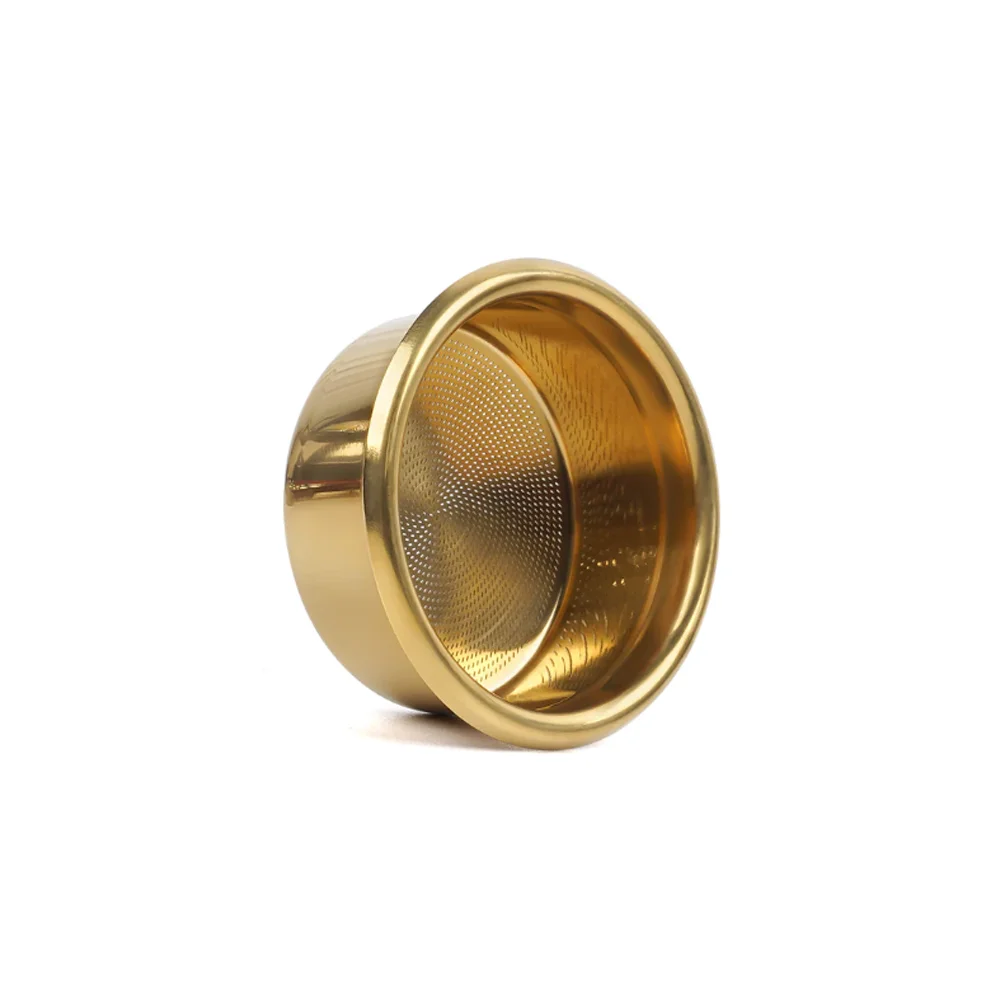
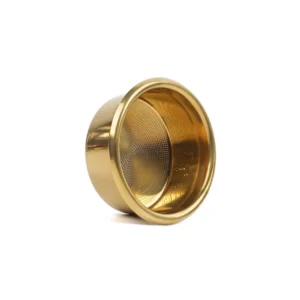
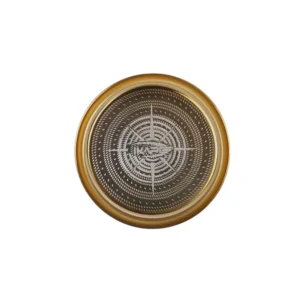
Upgraded shower screens, engineered with more precise hole patterns and advanced coatings like nano-quartz, aim to create a more gentle and uniform “rain” of water onto the coffee bed. These components can significantly improve extraction evenness, leading to higher yields and a more balanced flavor profile. Similarly, custom-machined dispersion blocks can alter the water path within the group head, further enhancing the uniformity of delivery. These mods represent a fine-tuning of the hydraulic system, ensuring that the carefully controlled water arrives at the coffee in the most effective way possible.
Aesthetics and workflow enhancements
Beyond the core performance metrics of temperature and pressure, modifications have also addressed the user’s tactile experience and workflow. The interaction with a machine is part of the home barista ritual, and ergonomic and aesthetic improvements can make the process more enjoyable and efficient. This category includes a wide range of popular upgrades.
Custom wood components, such as portafilter handles, steam knobs, and brew levers, are common choices for personalizing a machine’s appearance and feel. Bottomless, or naked, portafilters have become a standard diagnostic tool, offering a clear view of the extraction’s integrity and helping the user identify and correct puck preparation flaws. Upgraded steam wand tips with different hole configurations can provide finer control over milk texturing for latte art. While these mods may not directly alter brew parameters, they refine the connection between the barista and the machine, fostering a more intuitive and satisfying workflow.
Mastering pressure: from OPVs to pressure profiling
Once temperature was tamed, attention turned to pressure. The vibratory pumps common in home machines often produce pressures well above the traditional 9-bar standard. The first step in managing this was the adjustment or replacement of the Over-Pressure Valve (OPV). This allowed users to cap the maximum pressure in the system, preventing overly aggressive extractions that could lead to channeling and harsh flavors. This simple adjustment gave baristas a crucial tool for consistency.
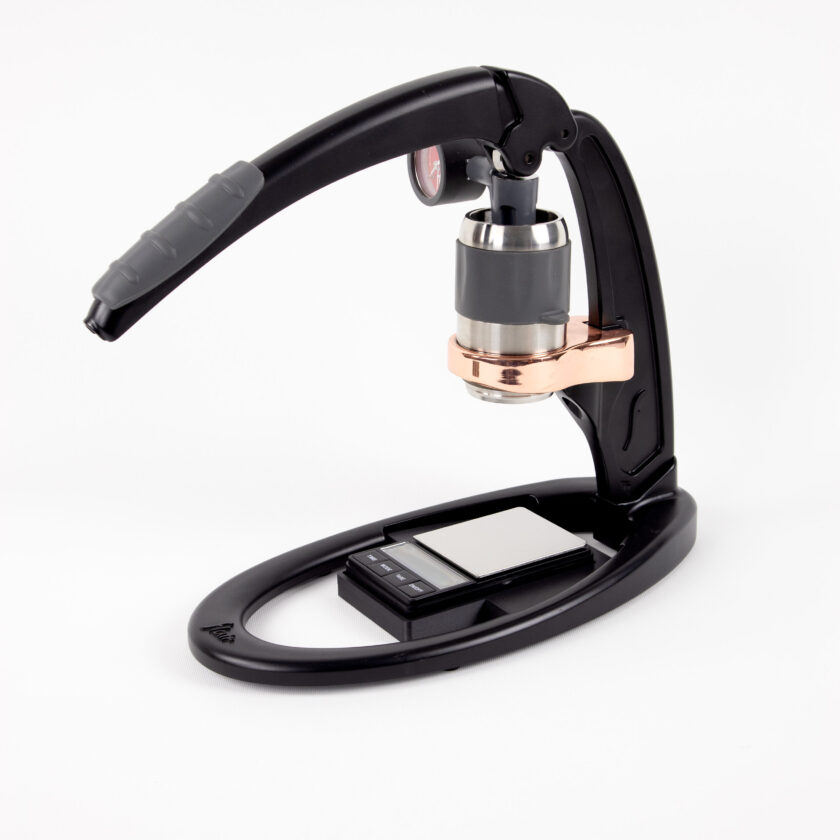
However, the real revolution came with pressure profiling. This more advanced modification involves adding a component, such as a needle valve or a gear pump, to manually control the flow rate of water to the group head. By manipulating this flow, the barista can directly influence the pressure curve of the entire extraction. This opened the door to techniques like extended pre-infusion at low pressures, which helps saturate the puck evenly, and gradual pressure ramps that can highlight different flavor characteristics. This level of control was once exclusive to high-end, commercial lever machines.
Data-driven espresso: integrating sensors and feedback
The latest frontier in home machine modding is the integration of digital sensors and real-time feedback. Enthusiasts are now adding pressure transducers and flow meters that connect to Bluetooth-enabled scales or custom displays. This “smart” functionality transforms the machine from a purely mechanical device into an analytical tool. Instead of relying on feel or intuition, a barista can now see a live graph of the pressure and flow rate during an extraction. This data provides invaluable insight into what is happening inside the puck, allowing for precise replication of successful shots and informed adjustments to grind size, dose, and technique. It represents the ultimate fusion of analog feel and digital precision, empowering the home user with the kind of data previously reserved for coffee research labs.
The journey of espresso machine modification reflects a deep commitment to understanding and controlling the extraction process. From the foundational stability offered by PID controllers to the nuanced command of flow profiling and data feedback, each evolution has empowered the home barista with greater precision. These advancements have narrowed the gap between consumer and commercial equipment, proving that exceptional espresso is not just about the machine itself, but about the informed control one can exercise over it. As this practice continues to develop, it is clear that the pursuit of the perfect shot remains a powerful driver of innovation. For those looking to explore these possibilities, a variety of specialized components are available from suppliers like papelespresso.com.
Conclusion
The evolution of espresso machine modding reflects a deeper understanding of the extraction process. What began as a technical fix for temperature instability has blossomed into a comprehensive pursuit of total control over every variable, from water flow dynamics to group head saturation. For the home barista, these modifications are not merely about adding features; they are about unlocking the full potential of both the machine and the coffee. This journey from stock performance to customized precision has empowered users to achieve a level of quality and consistency in the cup that was once the exclusive domain of commercial cafes. Exploring these enhancements, often supported by parts and expertise from dedicated suppliers, allows the passionate user to continue refining their craft.