


Pressure profiling represents one of the most significant advancements in espresso extraction for the dedicated home barista. While commercial machines have offered this feature for years, its recent accessibility for classic machines like the Gaggia Classic has opened new doors for experimentation and control. For the manual espresso user, understanding how to manipulate pressure during extraction is not just an academic exercise. It is a practical tool for overcoming the limitations of traditional fixed-pressure profiles, allowing for a more nuanced and forgiving approach to brewing. By moving beyond the standard nine-bar pump pressure, users can unlock new flavor dimensions, improve shot consistency, and gain a deeper understanding of how every variable interacts to create the final cup.
Understanding traditional espresso extraction
Historically, espresso has been defined by a constant, high-pressure extraction. A pump, typically set to nine bars of atmospheric pressure, forces hot water through a finely ground bed of coffee. This method, established for its ability to consistently produce a rich, crema-laden shot, became the industry standard. The machine dictates the pressure, and the barista’s primary variables are grind size, dose, and brew time. In this model, the goal is to create a puck with enough resistance to slow the flow of water, allowing for an even and complete extraction in a specific time frame, usually between 25 and 30 seconds.
However, this approach has inherent limitations. A sudden application of nine bars of pressure can disrupt the coffee bed, creating channels where water flows too quickly, leading to uneven extraction. Some parts of the puck become over-extracted, contributing bitter and astringent flavors, while other parts are under-extracted, adding sour notes. For the experienced user, these limitations are a familiar challenge, often managed through meticulous puck preparation involving distribution and tamping techniques. While effective, these methods only mitigate the issues of a fixed-pressure system, rather than addressing the core mechanical forces at play.
The fundamentals of pressure profiling
Pressure profiling introduces a dynamic approach to extraction by allowing the user to vary the pump pressure throughout the shot. Instead of a single, sustained nine-bar pressure, a shot can be divided into distinct phases, each with a specific pressure target. This control offers a powerful way to influence how water interacts with the coffee grounds at each stage.
- Pre-infusion: This initial phase involves applying a low pressure (typically 2–4 bars) to gently saturate the coffee puck. This allows the grounds to swell and settle, reducing the risk of channeling when higher pressure is introduced. A slow, controlled pre-infusion ensures a more uniform water distribution from the start.
- Ramp-up: Following pre-infusion, the pressure is gradually increased toward the desired peak. The speed of this ramp can affect the body and intensity of the shot. A slower ramp allows for a more delicate extraction, while a faster one can build a richer, more viscous mouthfeel.
- Peak pressure: This is the main extraction phase, where pressure is held at its highest point. While nine bars is the standard, pressure profiling allows for experimentation. A lower peak pressure, such as seven or eight bars, can reduce the extraction of bitter compounds, which is especially useful for lighter roasts or more delicate single-origin coffees.
- Ramp-down: In the final stage, the pressure is gradually decreased. As the extraction progresses, desirable flavor compounds are extracted first, followed by less desirable, bitter ones. Tapering the pressure toward the end of the shot minimizes the extraction of these later compounds, resulting in a cleaner, sweeter finish.
Why add pressure control to a gaggia classic
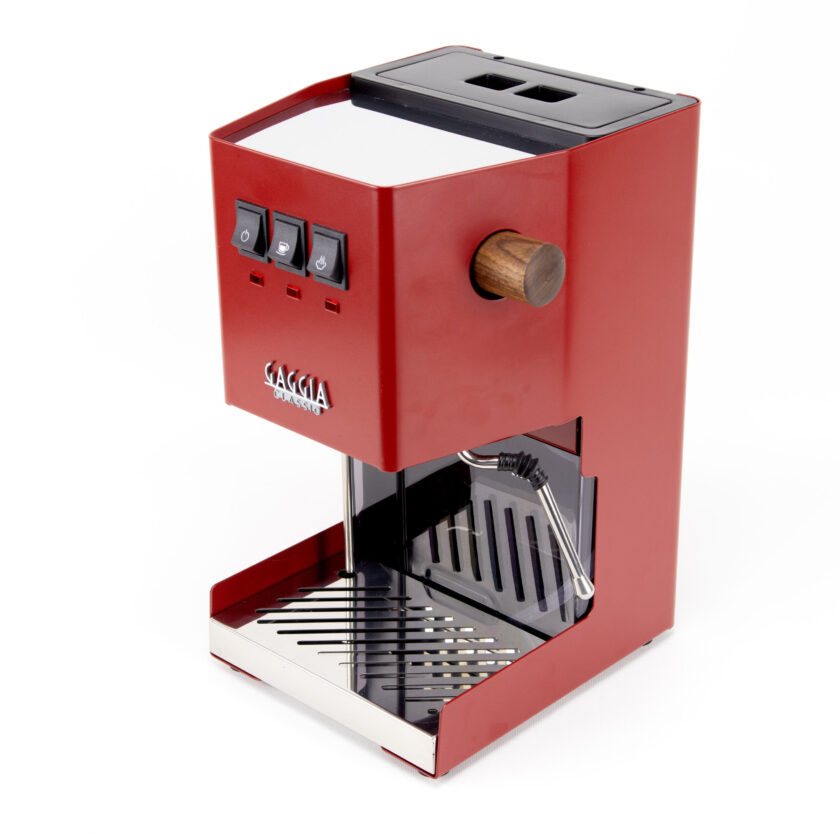
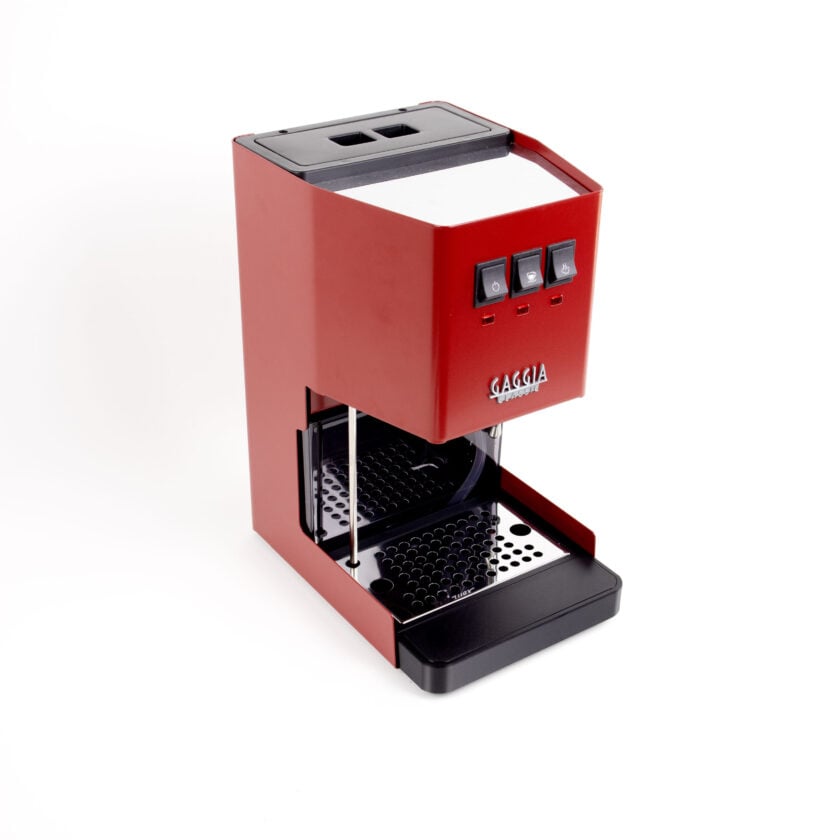
The Gaggia Classic is a celebrated machine known for its simplicity, durability, and excellent performance for the price. However, its factory configuration delivers a fixed pressure, often higher than the ideal nine bars. For the enthusiast looking to elevate their espresso, adding pressure control transforms the machine into a far more capable and forgiving tool. The primary benefit is the ability to manage water flow and puck saturation actively, rather than relying solely on puck preparation.
With pressure profiling, a Gaggia Classic user can execute a gentle pre-infusion that all but eliminates the risk of channeling, even with less-than-perfect distribution. This makes the entire process more consistent and repeatable. Furthermore, the ability to taper off pressure at the end of a shot provides a safeguard against over-extraction, allowing for longer brew times without introducing excessive bitterness. This is particularly valuable when working with light roasts, which often require a finer grind and longer contact time to fully extract their complex, acidic notes. By tailoring the pressure curve to a specific coffee, the user can highlight desired characteristics, whether it is the bright fruit notes of an Ethiopian or the deep chocolate tones of a Brazilian.
Practical applications and results
Applying pressure profiling is less about following a rigid formula and more about responding to the specific coffee being used. The table below illustrates a few example profiles and their intended outcomes, demonstrating how different pressure curves can solve common extraction problems.
| Profile Type | Pre-infusion | Peak Pressure | Ramp-down | Best For |
|---|---|---|---|---|
| Classic Lever-Style | 2 bars for 10s | 9 bars, declining to 6 bars | Natural decline | Medium to dark roasts; enhances body and sweetness. |
| Gentle Bloom | 3 bars until first drops | 8 bars | Sharp drop to 4 bars | Light roasts; reduces acidity and improves clarity. |
| Channeling Mitigation | 4 bars for 12s | 7-8 bars | Gradual decline | Finely ground or less forgiving coffees. |
Each profile demonstrates a deliberate strategy. The lever-style profile mimics the declining pressure of a manual lever machine, which often produces a rich, full-bodied shot with a muted bitterness. The gentle bloom profile focuses on a controlled saturation to carefully extract the delicate aromatics of a light roast without introducing harshness. Finally, the channeling mitigation profile uses a long, low-pressure pre-infusion to ensure the puck is fully saturated before gently ramping up, providing the best chance for an even extraction. These are starting points, and the real value comes from observing the shot and adjusting the profile to achieve the desired balance of flavor, acidity, and body.
Understanding the standard extraction
A conventional espresso machine, including a stock Gaggia Classic, operates on a straightforward principle. When the brew switch is activated, the vibratory pump engages and rapidly builds pressure to its preset limit, typically around 9–10 bars. This pressure is then applied to the coffee puck and held constant until the brew switch is turned off. The resulting pressure curve is abrupt: a steep ramp-up, a flat plateau, and a sudden drop to zero.
This method is the foundation of modern espresso and is capable of producing excellent results. However, this binary on/off application of high pressure can be unforgiving. Any imperfections in puck preparation, such as uneven density or distribution, can quickly turn into channels. A channel is a small fissure in the coffee bed that allows water to bypass the majority of the grounds, leading to a shot that is simultaneously under-extracted (sour, thin) and over-extracted (bitter, astringent). The aggressive, immediate application of full pressure can exploit minor flaws in the puck, making it challenging to achieve consistent results, especially with more delicate, light-roasted coffees.
Implementing pressure control
Adding pressure profiling to a Gaggia Classic requires an internal modification. The most common and effective method involves installing a dimmer switch, often paired with a pressure gauge, to regulate the voltage supplied to the machine’s vibratory pump. A vibratory pump’s output pressure is directly related to the voltage it receives, so by adjusting the dimmer, the user can manually increase or decrease the brew pressure in real time.
The installation typically involves wiring the dimmer module between the power source and the pump. A pressure gauge is mounted in a visible location, often connected to the boiler, to provide the necessary feedback for precise control. With this setup, the user can perform all phases of a profiled shot: holding a low pressure for pre-infusion, slowly ramping up to a desired peak, and tapering off the pressure at the end of the extraction. This hands-on, tactile approach aligns perfectly with the ethos of a manual machine like the Gaggia Classic, placing the user in complete command of the extraction variables.
Conclusion
Pressure profiling is a transformative step for the home barista seeking ultimate control over their espresso. It moves beyond the static, one-size-fits-all approach of traditional extraction and provides a dynamic toolkit for problem-solving and creative expression. By manipulating pressure throughout the shot, users can mitigate common issues like channeling, reduce bitterness, and enhance the unique characteristics of their chosen coffee. For owners of capable machines like the Gaggia Classic, adding this functionality elevates the brewing experience from a routine to a craft. It empowers the user to adapt their technique to the coffee itself, unlocking a new level of precision and flavor potential. For those interested in exploring this further, various tools and modifications are available to bring this advanced capability to classic home espresso machines.