







Blog
Espresso guides, machine reviews, and barista technique from Papel Espresso — practical articles on dialing in shots, troubleshooting channeling, and machine care.
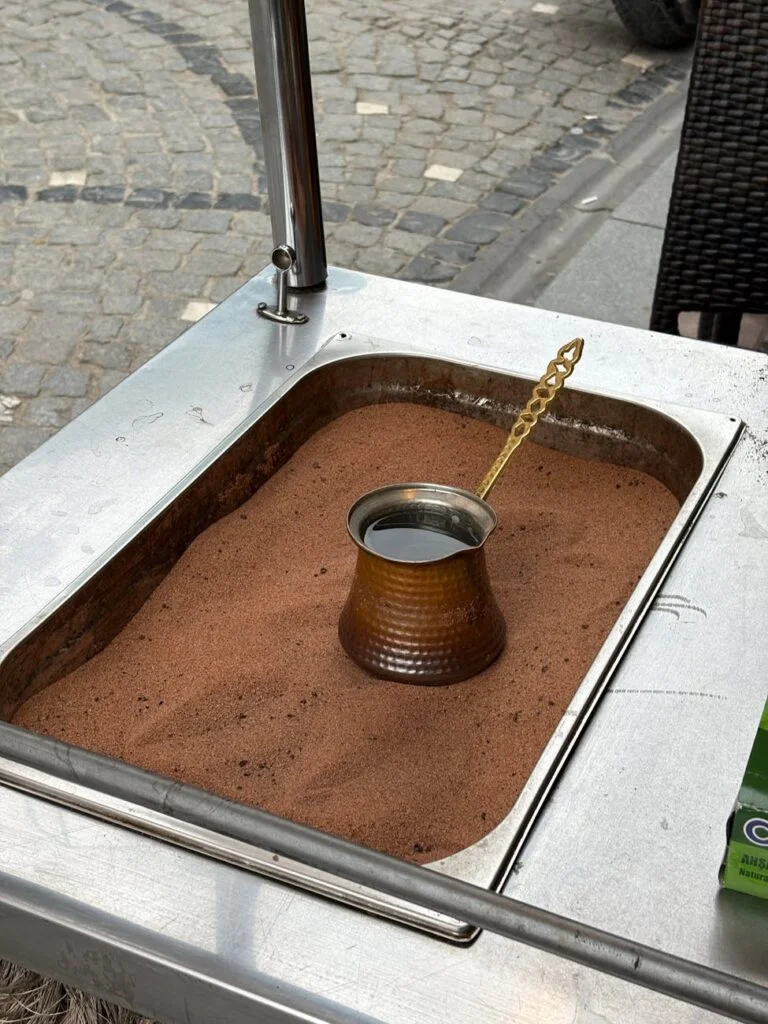
Recognizing the Sweet Spot: When to Stop the Turkish Coffee Brew Cycle
The art of brewing Turkish coffee is a time-honored tradition, a ritual that culminates in a rich, velvety, and intensely aromatic cup. Unlike other brewing methods, this process is intimate and hands-on, requiring constant attention. The most pivotal moment in this ritual is knowing precisely when to remove the cezve (or ibrik) from the heat. […]
How to Incorporate Cardamom and Spices Without Overpowering the Brew Profile
Spiced coffee perfection: How to add cardamom and spices without overpowering your brew The aromatic allure of spiced coffee is undeniable. From the traditional warmth of Turkish coffee laced with cardamom to a cozy, cinnamon-dusted latte on a chilly morning, spices can elevate a simple cup into a truly memorable experience. However, a heavy hand […]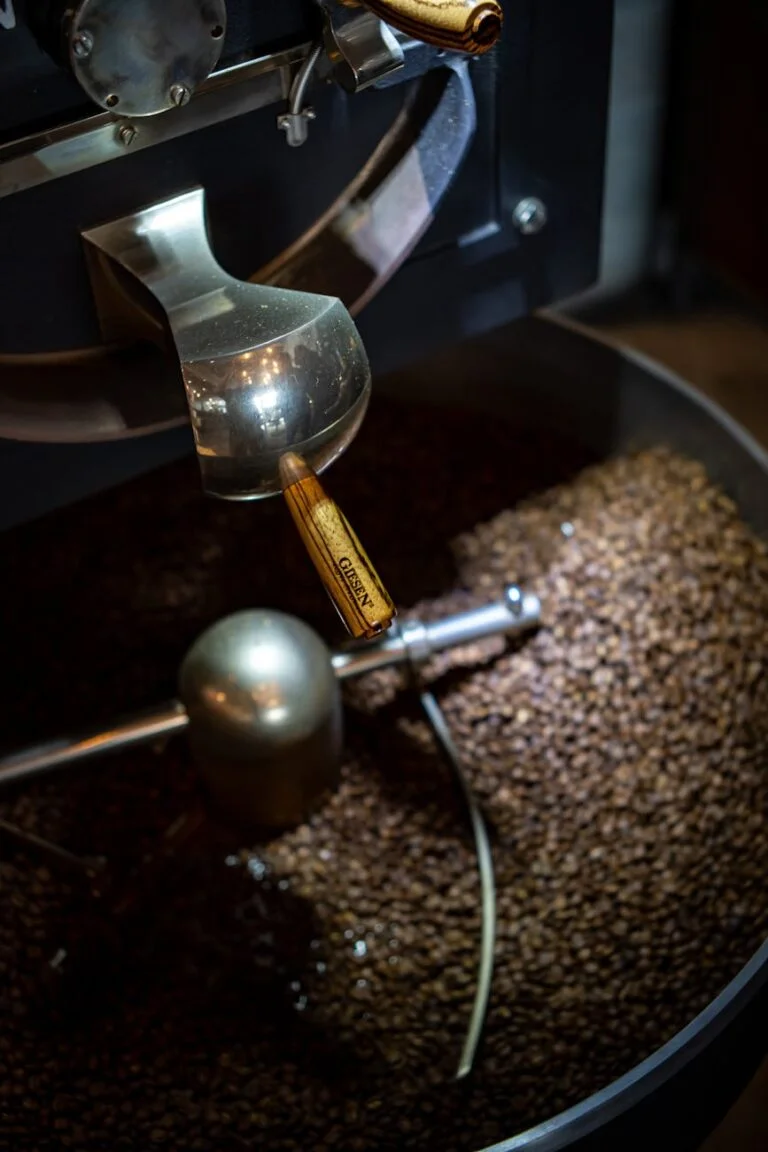
The Impact of Water Hardness on Turkish Coffee Flavor Clarity and Foam Stability
The secret ingredient: How water hardness shapes your Turkish coffee The art of preparing Turkish coffee is a cherished ritual, a process that engages all the senses, from the intoxicating aroma of finely ground beans to the sight of the rich, velvety foam—the kaymak—forming on top. While coffee lovers meticulously select their beans, grind, and […]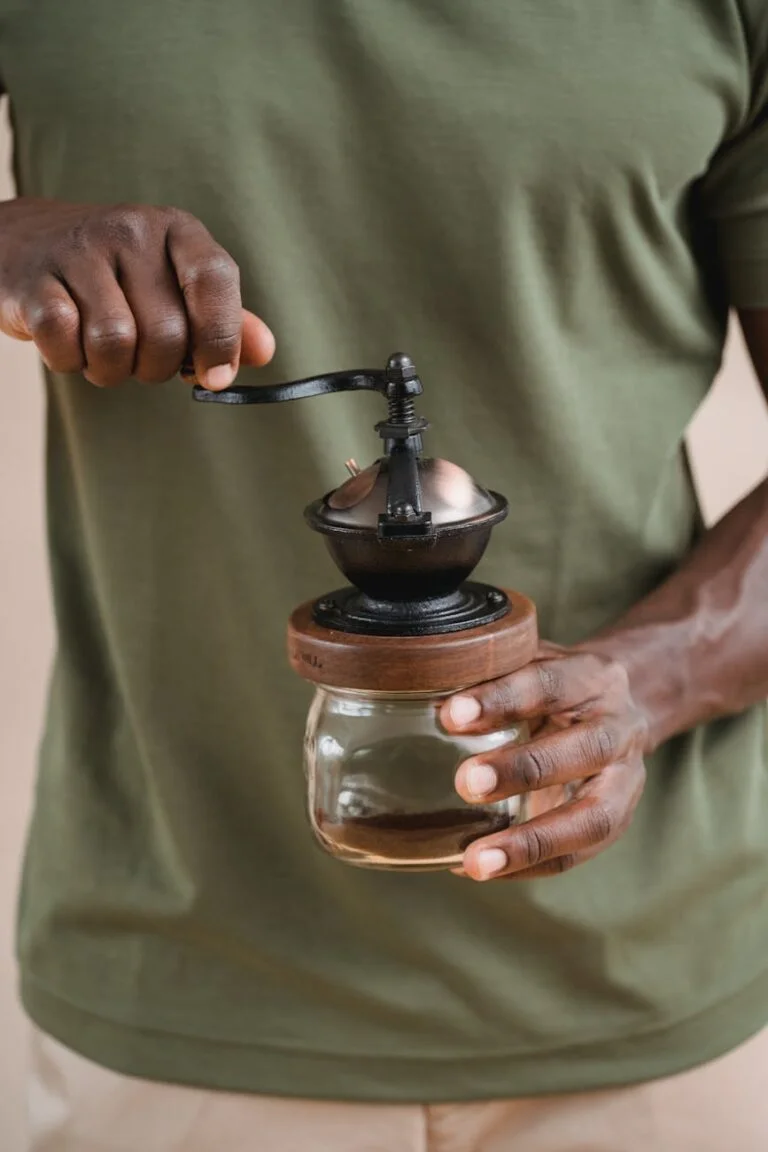
Dialing in the Grind for Turkish Coffee Using a Stepless Espresso Grinder
Mastering the art of Turkish coffee at home is a rewarding journey, but it hinges on one critical, often overlooked, element: the grind. Unlike any other brewing method, Turkish coffee requires a grind so fine it resembles flour or powdered sugar. Achieving this ethereal consistency is nearly impossible with a standard blade or stepped grinder. […]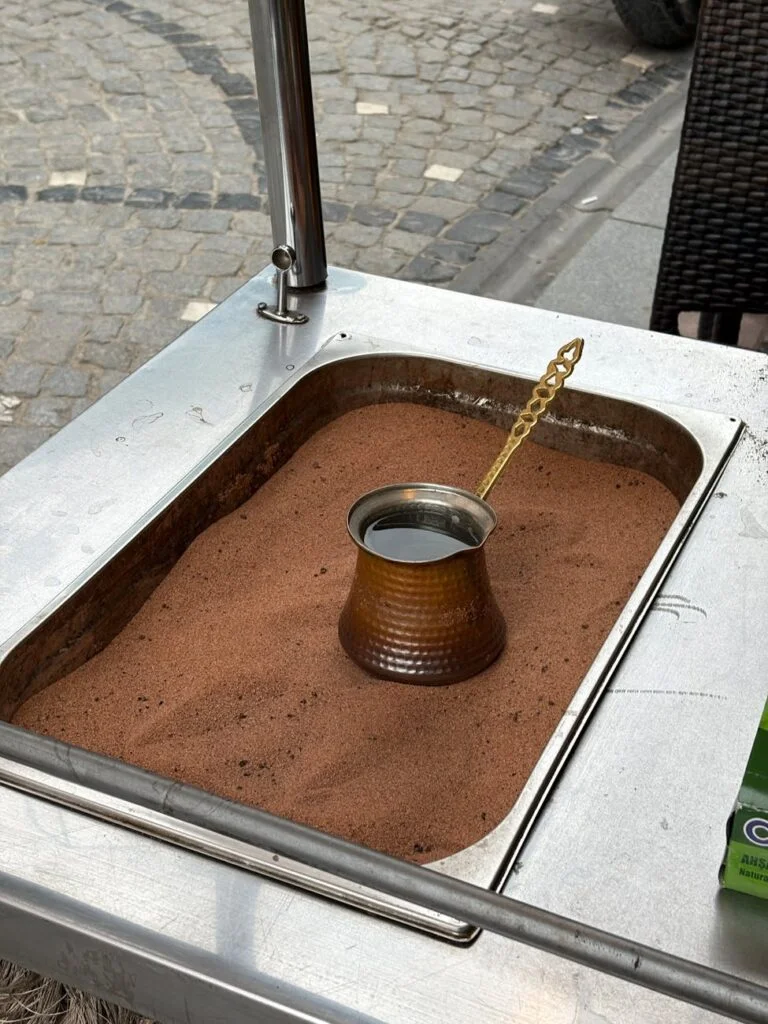
Scaling Recipes: How to Brew Multiple Servings in a Single Large Cezve
The rich aroma and velvety foam of a well-made Turkish coffee are a true delight, a ritual enjoyed one small cup at a time. But what happens when you have guests? The prospect of brewing individual cups can be daunting. Many attempt to simply multiply a single-serving recipe for a larger pot, or cezve, only […]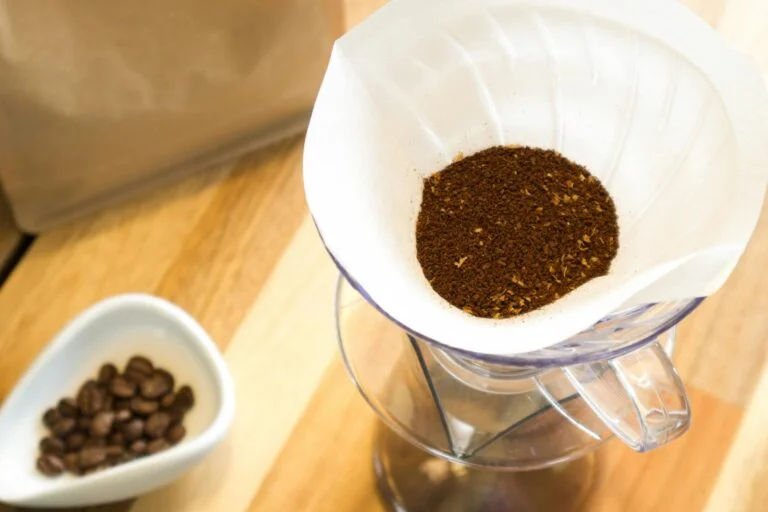
Comparing Mouthfeel: Turkish Coffee vs. Espresso Preparation Differences
Mouthfeel showdown: Turkish coffee vs. espresso Coffee is more than just a morning ritual; it’s a sensory experience. While aroma and taste often take center stage, a crucial yet sometimes overlooked element is mouthfeel. This refers to the physical sensation of the coffee in your mouth—its body, texture, and weight. Few brewing methods highlight the […]
Cleaning and Maintaining a Copper Cezve for Long-Term Performance
A gleaming copper cezve, also known as an ibrik, is more than just a coffee pot; it’s a symbol of a rich, time-honored tradition. The unique shape and superior heat conductivity of copper are essential for brewing authentic Turkish coffee. However, copper’s reactive nature means it requires special attention to maintain its beauty and functionality. […]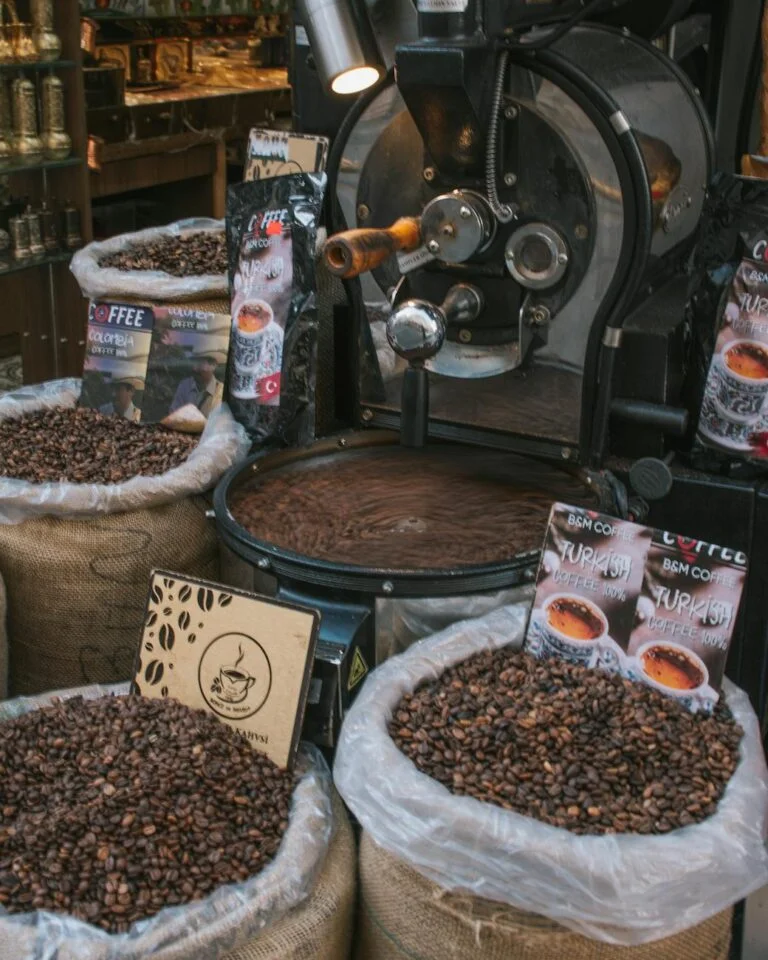
Sourcing and Selecting Beans for Specialty Turkish Coffee Methods
The ultimate guide to sourcing and selecting beans for specialty Turkish coffee Turkish coffee, a UNESCO-recognized cultural heritage, is far more than just a beverage; it’s a ritual, a tradition steeped in history. For centuries, this brewing method, known as cezve or ibrik, has been celebrated for its rich body, intense flavor, and velvety foam. […]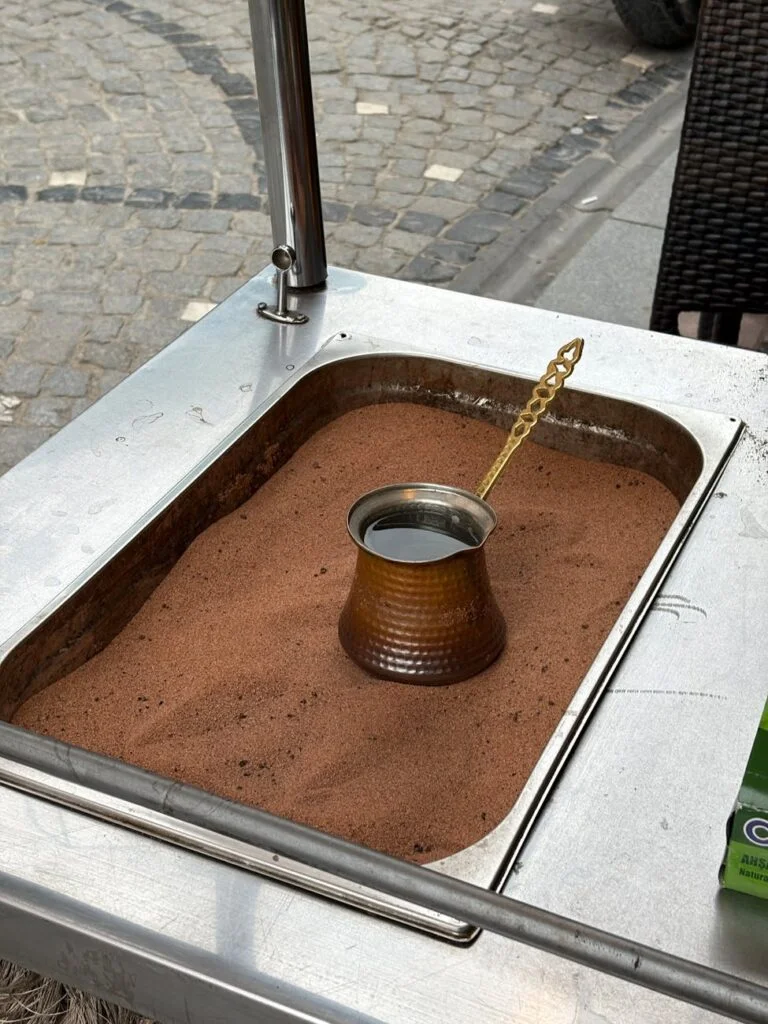
How Altitude Affects Your Turkish Coffee Boiling Point and Extraction Profile
High altitude brewing: How altitude affects your Turkish coffee The ritual of preparing Turkish coffee is an art form steeped in tradition. From the ultra-fine grind to the iconic foam, or kaymak, every step is deliberate. But what happens when you take this time-honored practice to a higher elevation? Suddenly, the rules change. Water boils […]
The Effect of Cezve Neck Shape on Foam Formation and Temperature Retention spinning
The perfect cup of Turkish coffee is an art form, instantly recognizable by its rich, velvety foam, known as kaymak. This defining characteristic isn’t just a happy accident; it’s the result of a specific brewing method and, crucially, the unique design of the pot it’s made in—the cezve, or ibrik. While many factors like grind […]