


Replicating cafe-quality espresso without upgrading your machine
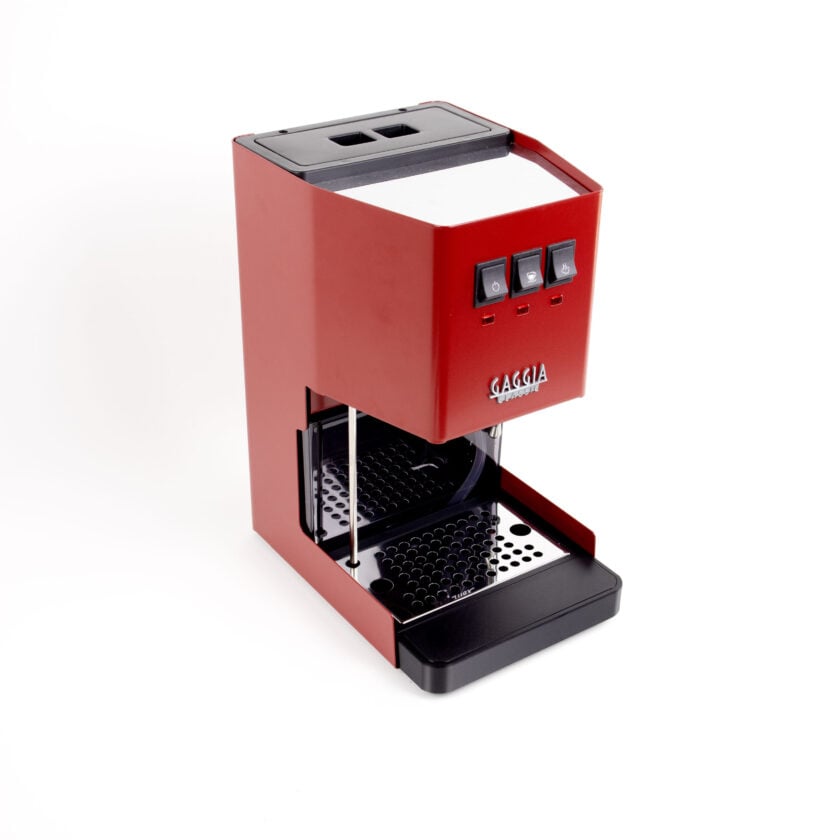
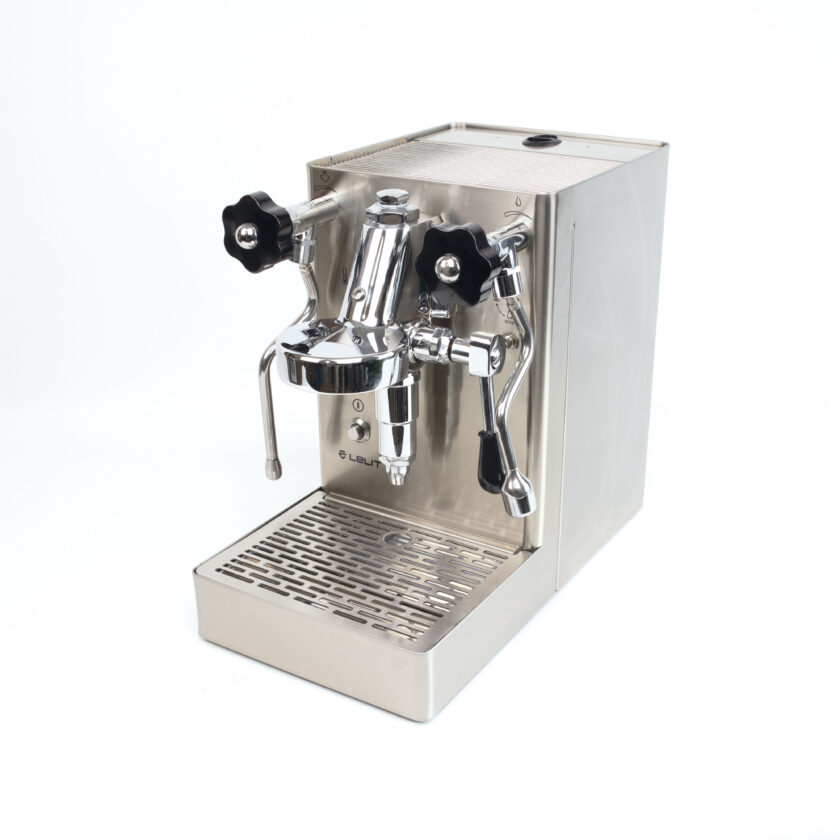
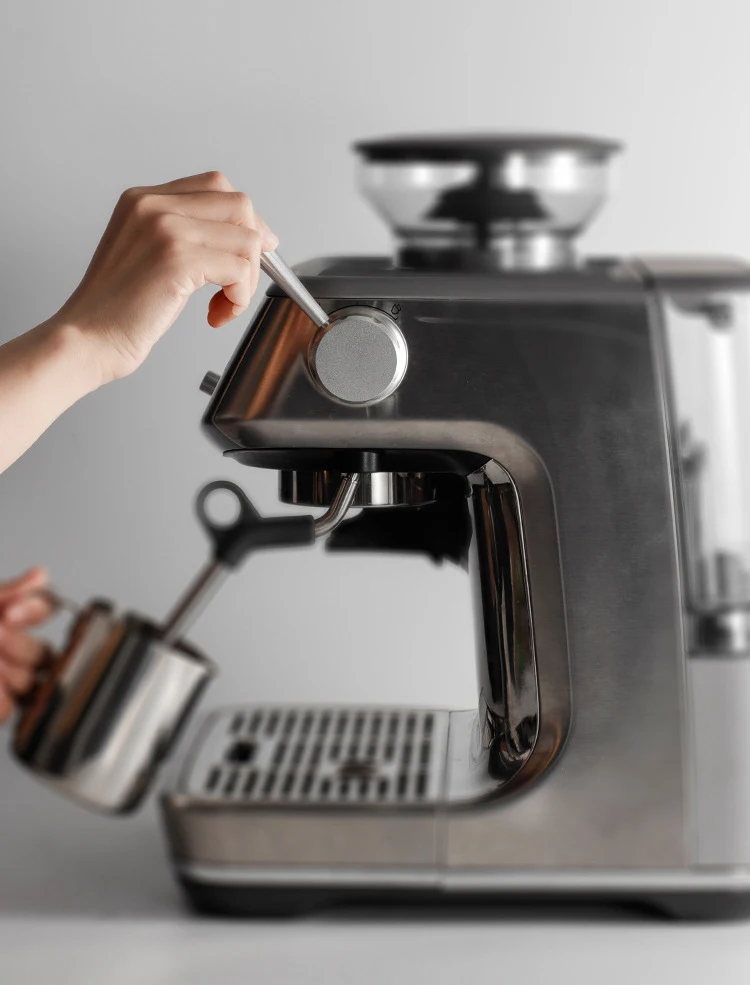
For the dedicated home barista, the pursuit of the perfect shot is a journey of continuous refinement. It is often assumed that achieving cafe-level quality necessitates a significant investment in high-end, multi-boiler machinery. While premium equipment offers undeniable advantages in thermal stability and pressure profiling, it is not the sole determinant of espresso quality. For users of manual and prosumer-level machines, the greatest gains are often found not in a new machine, but in mastering the variables that surround it. This article explores the critical, often overlooked elements of espresso preparation that can elevate your results far beyond the perceived limitations of your current setup. The focus is on process, not equipment, empowering you to replicate professional quality at home.
The foundational role of water chemistry
Water constitutes over 98% of an espresso shot, yet its composition is frequently ignored. The mineral content of your water directly influences extraction, affecting which flavor compounds are dissolved from the coffee grounds. Water that is too soft, lacking sufficient magnesium and calcium, can lead to a flat, uninteresting, and acidic shot. Conversely, excessively hard water can result in over-extraction, producing chalky or bitter flavors, and will inevitably cause scale buildup that can damage your machine. Simply using a generic charcoal filter is often insufficient. To gain control, you must first understand your starting point with a water testing kit and then build a specific water profile suitable for espresso, typically aiming for a total hardness between 50-175 ppm and alkalinity around 40-75 ppm.
Precision in grinding and particle distribution
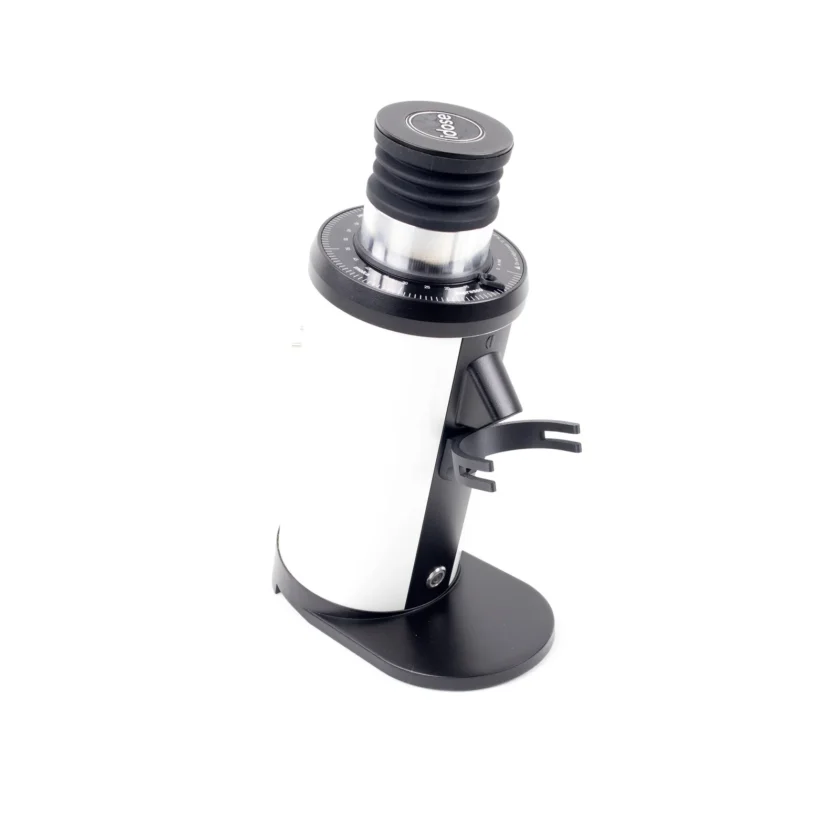
Your grinder is arguably more critical to espresso quality than the machine itself. An inconsistent grind, with a wide variance in particle size (fines and boulders), will lead to an uneven extraction. Water will preferentially flow through the larger grounds (channeling), under-extracting them while over-extracting the fines, resulting in a cup that is simultaneously sour and bitter. A high-quality burr grinder capable of producing a unimodal particle distribution is essential. Beyond the grinder itself, how the grounds settle in the portafilter basket is crucial. Advanced baristas understand that achieving a homogenous, evenly dense coffee bed is non-negotiable for a balanced extraction. Techniques must be employed to ensure grounds are not clumpy or unevenly distributed before tamping.
Meticulous puck preparation
The final step before extraction is preparing the coffee puck. This stage is where many easily correctable errors occur. The goal is to create a perfectly level and evenly compacted bed of coffee for water to pass through uniformly. Any inconsistencies will be exploited by the pressurized water, leading to channeling. Start by ensuring the dose is consistent to within a tenth of a gram. After grinding into the portafilter, use a distribution technique to level the grounds. The Weiss Distribution Technique (WDT), which involves stirring the grounds with fine needles, is highly effective at breaking up clumps and homogenizing the coffee bed. Once distributed, a firm, perfectly level tamp is required. The amount of pressure is less important than its even application, ensuring the puck’s surface is parallel to the basket’s rim.
Controlling brew temperature and ratio
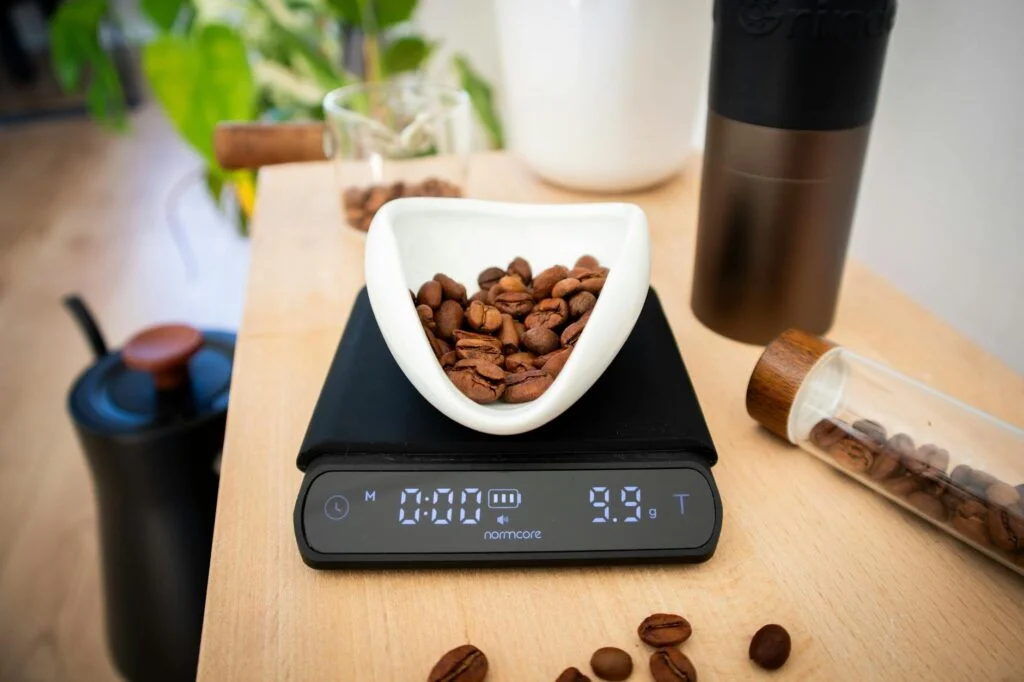
While many home machines lack the precision of their commercial counterparts, you can still exert significant control over brew variables. Temperature is a key factor in solubility. Lower temperatures tend to favor brighter, more acidic notes, while higher temperatures extract more soluble compounds, leading to increased body and sweetness, but also bitterness if too high. Understanding your machine’s temperature characteristics through flushing routines or by using temperature surfing techniques is vital. Furthermore, meticulously controlling your brew ratio—the relationship between the dry coffee dose and the liquid espresso yield—is fundamental. A traditional espresso might use a 1:2 ratio (e.g., 18g of coffee yielding 36g of liquid), but experimenting with ratios like 1:2.5 or 1:3 can dramatically alter the balance and flavor profile of the shot.
Ultimately, achieving superior espresso is less about the machine and more about the meticulous control of key variables. By focusing on water chemistry, grind quality, puck preparation, and brew parameters, the experienced home barista can unlock the full potential of their existing equipment. The journey is one of precision and consistency. Understanding these technical elements removes guesswork, replacing it with a repeatable methodology for producing exceptional espresso. While various tools and accessories can assist in this process, mastery of the fundamentals remains the most valuable asset. For those looking to refine their technique, relevant preparation tools are available from retailers like papelespresso.com.