

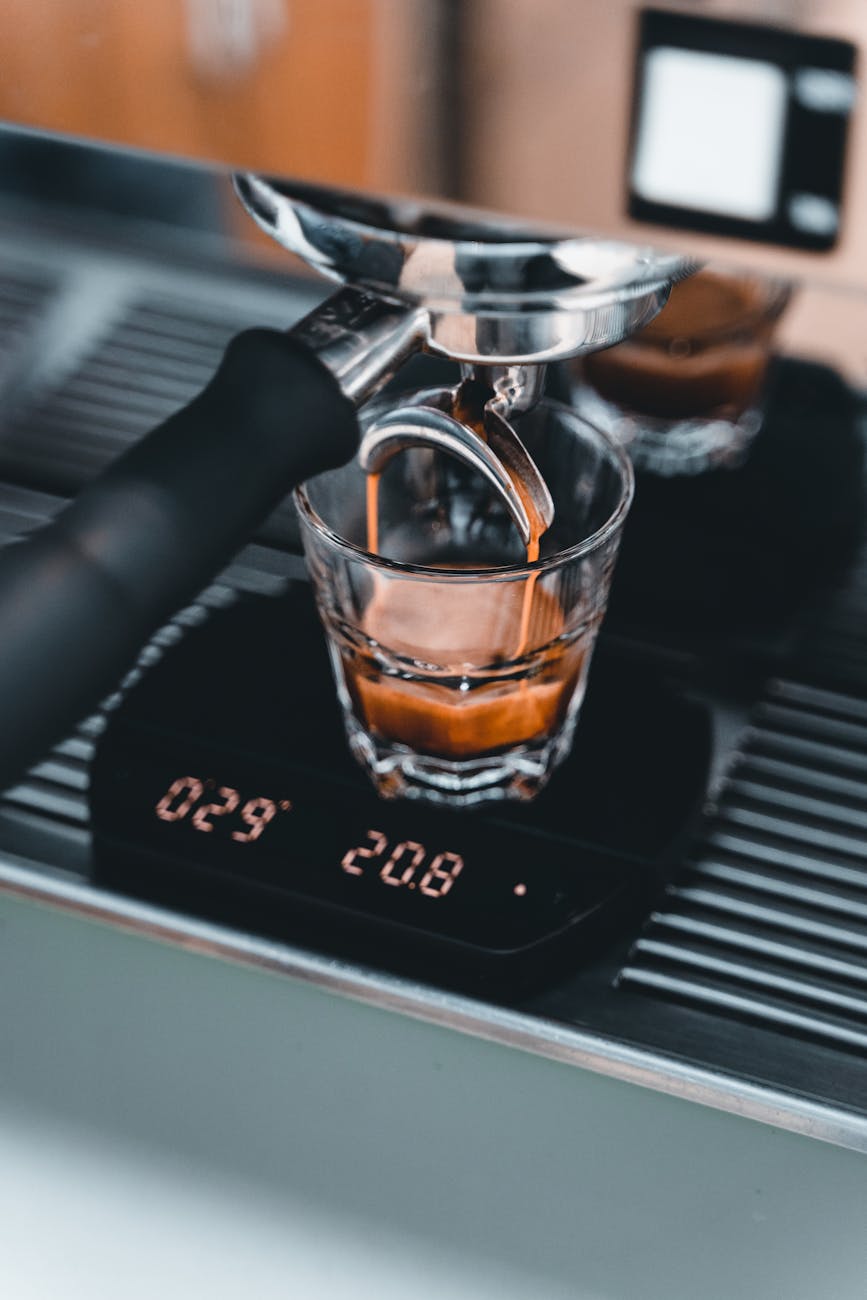
Why your espresso tastes sour: Troubleshooting under-extraction issues
There are few things more disappointing for a coffee lover than the anticipation of a rich, syrupy espresso shot, only to be met with a puckering, sour taste. That sharp, acidic flavor can ruin your morning coffee ritual and leave you wondering what went wrong. If you’ve experienced this, you’re not alone. The good news is that the culprit is almost always the same: under-extraction. This happens when the water passes through the coffee grounds too quickly, failing to dissolve and pull out the desirable sweet and complex flavor compounds. Instead, it only grabs the initial sour-tasting acids. This article will guide you through the common causes of under-extraction and provide clear, actionable steps to fix them, helping you pull a balanced and delicious shot every time.
Understanding the science of espresso extraction
Before we can fix a sour shot, it’s crucial to understand what’s happening inside your portafilter. Extraction is simply the process of water dissolving flavors from coffee grounds. Think of it as a flavor timeline. When water first hits the coffee, it starts by extracting the brightest, most acidic compounds. As the extraction continues, it begins to pull out the sugars, which create sweetness and balance. Finally, in the later stages, the more bitter and heavier compounds are extracted.
The goal is to stop the process right in the sweet spot, achieving a balanced extraction.
- Under-extracted: The shot runs too fast. The water only has time to grab those initial sour acids. The result is a thin-bodied, sour, and unsatisfying espresso.
- Over-extracted: The shot runs too long. The water has extracted all the acids and sugars and has moved on to pulling out the bitter, astringent compounds. This results in a harsh, bitter, and dry-tasting espresso.
A perfect shot balances all three stages, delivering sweetness, a pleasant acidity, and a subtle, satisfying bitterness that creates depth and complexity.
The most common culprit: Your grind size
If your espresso is consistently sour, the very first variable you should adjust is your grind size. This is the foundation of dialing in a shot. The size of your coffee grounds determines how much resistance the water meets as it’s forced through the puck. Imagine water flowing through large pebbles versus fine sand—the sand creates much more resistance and slows the water down.
When your grind is too coarse, the gaps between the coffee particles are large. Water rushes through these gaps with little resistance, leading to a very fast shot. This short contact time means the water can’t extract enough flavor, resulting in a classic under-extracted, sour shot. To fix this, you need to make your grind finer. This increases the surface area of the coffee and compacts the particles more tightly, forcing the water to work harder and flow more slowly. This increased contact time allows the water to dissolve the sugars needed to balance out the acidity.
Your action plan: Make a small, incremental adjustment to your grinder towards a finer setting. Don’t make drastic changes. Pull another shot and taste it. Is it less sour? Is the shot time longer? Keep making small adjustments until you hit that 25-35 second window and the taste is balanced.
Balancing your brew ratio and shot time
Grind size directly influences your shot time and brew ratio, two other critical variables in the extraction equation. These factors work together and give you measurable targets to aim for as you dial in your espresso.
Shot time is the total duration of the extraction, from the moment you start the pump until you stop it. While not a rigid rule, a great starting point for a standard espresso shot is between 25 and 35 seconds. A shot that gushes out in 15 seconds will almost certainly be sour.
The brew ratio refers to the weight of dry coffee grounds (your dose) compared to the weight of the liquid espresso (your yield). Using a coffee scale is non-negotiable for consistency. A standard starting ratio is 1:2. For example, if you use 18 grams of coffee grounds, you would aim for about 36 grams of liquid espresso in your cup.
| Problem | Symptom | Cause | Solution |
|---|---|---|---|
| Sour Espresso | Shot runs too fast (e.g., 15 seconds for a 1:2 ratio) | Grind is too coarse, leading to under-extraction. | Make the grind finer to slow down the shot. |
| Bitter Espresso | Shot runs too slow (e.g., 50 seconds for a 1:2 ratio) | Grind is too fine, leading to over-extraction. | Make the grind coarser to speed up the shot. |
| Balanced Espresso | Shot runs in 25-35 seconds for a 1:2 ratio | Proper grind size, leading to balanced extraction. | Enjoy your coffee! |
If your 18g dose produces 36g of espresso in only 18 seconds, you know from the data—and the sour taste—that you need to grind finer to slow the shot down into that ideal 25-35 second range.
Advanced troubleshooting: Temperature and puck prep
If you’ve adjusted your grind size and are hitting your target shot time and ratio but still taste some sourness, it’s time to look at two other important factors: water temperature and puck preparation.
Water Temperature: Water is a solvent, and its temperature drastically affects its ability to extract flavor. If your water is too cold (below 90°C or 195°F), it will be an inefficient solvent, struggling to extract the sugars and leading to a sour, under-extracted shot, even if your other variables are perfect. This is especially true for lighter roasted coffees, which are denser and require more energy to extract properly. Most modern espresso machines operate in the 90-96°C (195-205°F) range. If your machine has a PID (Proportional-Integral-Derivative) controller, try increasing the temperature by a degree or two to see if it reduces sourness.
Puck Preparation: An evenly extracted puck is key. If your coffee grounds are clumpy or unevenly distributed in the portafilter, water will find the path of least resistance. This is called channeling. It results in some parts of the puck being under-extracted (causing sourness) and other parts being over-extracted (causing bitterness) all in the same cup. Ensure you are breaking up any clumps with a distribution tool (like a WDT tool) and tamping with firm, level pressure to create a flat, uniform bed of coffee for the water to pass through evenly.
Conclusion: The path to perfect espresso
Achieving a delicious, balanced espresso is a journey of precision and patience. That frustrating sour taste is a clear signal of under-extraction, a problem that can be solved with a methodical approach. By understanding the fundamentals of extraction, you can begin to troubleshoot effectively. Start by focusing on the most impactful variable: your grind size. Grinding finer will slow down your shot, increasing contact time and allowing for a fuller extraction of sweet, complex flavors. Use a scale to measure your dose and yield, aiming for a 1:2 brew ratio in about 25-35 seconds. If sourness persists, consider raising your brew temperature or refining your puck preparation techniques to eliminate channeling. Remember to change only one variable at a time. With practice, you’ll learn to diagnose and fix any issues, turning sour shots into a thing of the past.

 No products in the cart.