



Ever wonder what separates a truly exceptional shot of espresso from a mediocre one? While factors like bean quality and grind size play a crucial role, one of the most powerful variables a barista controls is the brew ratio. This is the precise relationship between the amount of dry coffee grounds used and the amount of liquid espresso produced. This concept, known as espresso yield, is the secret to unlocking a coffee’s full flavor potential. Understanding how to measure and manipulate this ratio is the single most important step you can take to move from guessing to crafting consistently delicious espresso at home. This article will guide you through defining yield, exploring common ratios, and understanding how they directly impact the taste in your cup.
What is espresso yield and brew ratio?
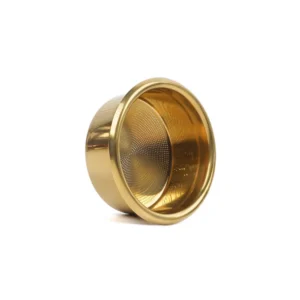
Before we can master espresso, we need to speak the language. In the world of specialty coffee, precision is key, and that starts with measuring two fundamental components: the dose and the yield. The dose is simply the weight of your dry coffee grounds in the portafilter basket, measured in grams. The yield is the final weight of the liquid espresso in your cup, also measured in grams. We use weight instead of volume (milliliters) because the crema, the beautiful foam on top of an espresso, can significantly vary in volume, making weight the only truly accurate measurement.
The brew ratio is the mathematical relationship between these two measurements. It’s expressed as Dose:Yield. For example, if you use 18 grams of dry coffee (dose) and produce a 36-gram shot of liquid espresso (yield), you have achieved a 1:2 brew ratio. This ratio is not arbitrary; it is the primary tool you will use to control the strength and extraction of your espresso, fundamentally changing its taste and texture.
Exploring the classic espresso ratios
While there are infinite possible ratios, they generally fall into three main categories. Each one offers a different sensory experience. Understanding these categories gives you a reliable framework for starting your brewing journey and for troubleshooting shots that don’t taste right. A 1:2 ratio is often considered the industry standard and the best starting point for a new coffee, but experimenting is the key to finding what you and your specific beans prefer.
Here’s a breakdown of the three classic styles:
- Ristretto (Restricted): This is a short, concentrated shot with a ratio typically between 1:1 and 1:1.5. A ristretto is often syrupy in texture, with intense sweetness and a heavy body. It mutes acidity and highlights the rich, deep flavors of the coffee.
- Normale (Standard): This is the quintessential espresso shot, with a ratio of 1:2 to 1:2.5. This range usually provides the most balanced extraction, offering a pleasant harmony of acidity, sweetness, body, and clarity. It’s the perfect starting point for dialing in any new coffee bean.
- Lungo (Long): A longer shot, pulled with a ratio of 1:3 or higher. A lungo has a lighter body and less intensity than the other styles. This can be beneficial for certain coffees, as the higher water content can reveal delicate, tea-like, or floral notes that are otherwise hidden.
| Ratio Name | Typical Ratio | Flavor Profile | Body & Texture |
|---|---|---|---|
| Ristretto | 1:1 – 1:1.5 | Intense, sweet, low acidity | Syrupy, heavy, concentrated |
| Normale | 1:2 – 1:2.5 | Balanced sweetness, acidity, and bitterness | Round, smooth |
| Lungo | 1:3+ | Muted sweetness, higher clarity, potential bitterness | Thin, tea-like |
How ratio impacts flavor and extraction
Your brew ratio is a direct lever for controlling coffee extraction. Extraction is the process of water dissolving flavors from the coffee grounds. Think of your ratio as controlling how much flavor you pull out. If you don’t pull enough, the shot is under-extracted. If you pull too much, it’s over-extracted.
An under-extracted shot, often resulting from a ratio that is too low (like a poorly pulled ristretto), tastes sour and salty. This is because the acidic compounds in coffee dissolve first. The water hasn’t had enough contact with the coffee to extract the sweeter, more complex compounds that create balance. The shot will taste sharp, unsatisfying, and underdeveloped.
Conversely, an over-extracted shot, caused by a ratio that is too high (a common risk with a lungo), tastes bitter, astringent, and hollow. After the sweet compounds are extracted, the undesirable, bitter compounds begin to dissolve. This leaves a dry, chalky sensation in your mouth, masking all the pleasant flavors of the coffee. The goal is to find the “sweet spot” in between—the ideal extraction where you have a perfect balance of acidity, sweetness, and a pleasant touch of bitterness for complexity.
Putting it into practice: Measuring and adjusting your yield
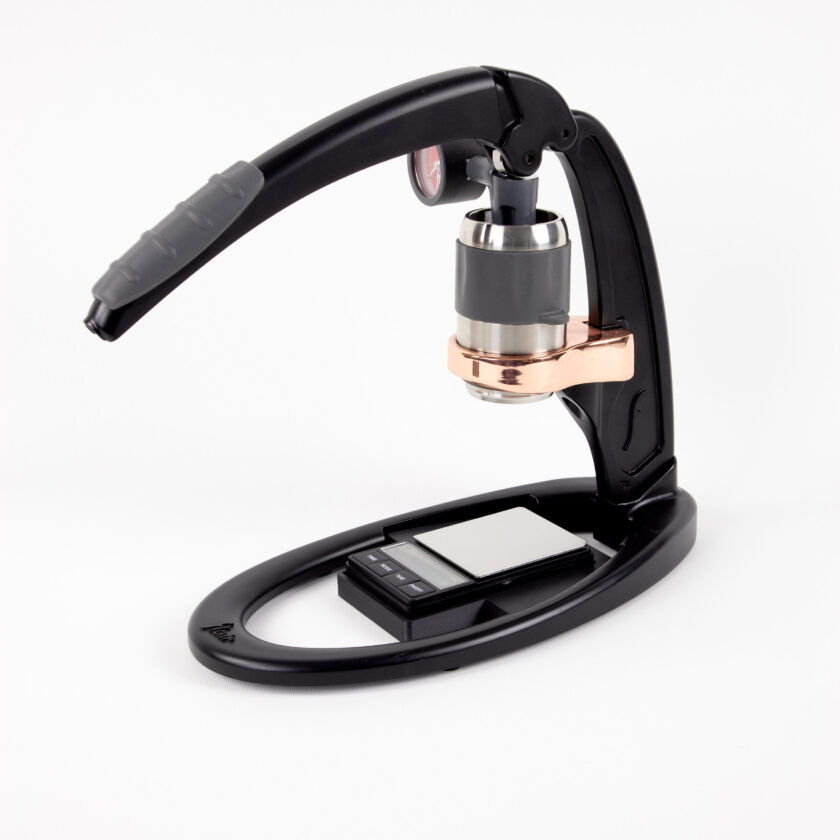
Theory is great, but the real magic happens at your machine. To control your yield, you absolutely need a digital scale with 0.1-gram accuracy. This is the most important tool for improving your espresso besides the grinder and machine themselves.
Here’s how to start dialing in your shot using yield:
- Choose your dose and starting ratio. A great starting point is an 18-gram dose and a 1:2 ratio.
- Calculate your target yield. Based on the above, your target yield is 18 x 2 = 36 grams.
- Prepare your shot. Place your cup on the scale and tare it to zero. Place it under the portafilter.
- Start brewing. Start your espresso machine’s pump and a timer simultaneously.
- Stop the shot. Watch the scale closely. Manually stop the shot a few grams before your target (e.g., at 33-34 grams), as a few extra drops will fall after you stop the pump.
- Taste and adjust. This is the most important step. Is the shot sour? Increase the yield on the next shot (aim for a 1:2.2 ratio, or about 40g). Is it bitter? Decrease the yield (aim for a 1:1.8 ratio, or about 32g). Remember to only change one variable at a time to accurately assess its impact.
How brew ratio shapes the flavor in your cup
The transition from a Ristretto to a Lungo is not just about strength; it’s a journey through the coffee bean’s flavor profile. As water flows through the coffee grounds, it dissolves different flavor compounds at different rates. Understanding this sequence is the key to manipulating your brew ratio for a desired taste.
Early in the extraction (the Ristretto range), the most soluble compounds are extracted. These are primarily acids and some salts, which contribute to a bright, sharp, and sometimes sour taste. As the extraction continues into the Normale range, sugars are dissolved. This is where the shot develops its sweetness, body, and balance, mellowing out the initial acidity. Finally, as you push into the Lungo range, less soluble compounds begin to dominate. These include tannins and other bitter elements. Pushing the extraction too far is what leads to a classic over-extracted shot: one that tastes dry, astringent, and hollow.
In short, the brew ratio is your primary tool for controlling extraction. If your espresso tastes overwhelmingly sour, it’s likely under-extracted, and you need to increase your yield (use a longer ratio) to pull in more sweetness. If your shot is harshly bitter and dries out your mouth, it’s over-extracted, and you should decrease your yield (use a shorter ratio) to stop the shot before those compounds take over.
Finding your ideal ratio: a practical guide
The perfect ratio is not a universal number; it depends on your specific coffee beans, your equipment, and most importantly, your personal taste. Here is a simple, methodical approach to dialing in your espresso.
- Establish a baseline. Start with a standard 1:2 Normale ratio. Use a dose that’s appropriate for your portafilter basket (e.g., 18 grams). Your target yield will be 36 grams.
- Keep variables constant. The golden rule of dialing in is to change only one thing at a time. For this process, your dose should remain the same. Adjust your grind size so that your 1:2 shot is achieved in a reasonable time, typically between 25-35 seconds. This is now your starting point.
- Taste and adjust yield. Now, taste the shot. Is it what you want?
- If it’s too sour or acidic, your coffee is under-extracted. Keep everything else the same, but increase the yield. Try for a 1:2.2 ratio (e.g., 18g dose to 40g yield). This extra water contact will extract more sugars to balance the acidity.
- If it’s too bitter or astringent, your coffee is over-extracted. Keep everything else the same, but decrease the yield. Aim for a 1:1.8 ratio (e.g., 18g dose to 32g yield). This will cut the shot short before the bitter compounds dominate.
- Consider the bean. Different coffees shine with different ratios. Lightly roasted, single-origin coffees often have complex acidity and delicate floral notes that can be better expressed with a slightly longer ratio (like 1:2.5). Darker, classic Italian-style roasts with notes of chocolate and nuts often taste richer and less bitter with a shorter ratio (like 1:1.8).
By tasting and making small, deliberate adjustments to your yield, you can steer your espresso’s flavor profile with surprising accuracy.
Conclusion
In summary, the espresso brew ratio is the fundamental relationship between your dry coffee dose and your liquid espresso yield. By moving beyond measuring volume and embracing the precision of weight, you gain incredible control over your brew. We’ve seen how the three main ratio categories—ristretto, normale, and lungo—each produce distinct flavor profiles by influencing the coffee’s extraction. A short, restricted shot often yields intense sweetness, while a long shot can reveal delicate notes at the risk of bitterness. The key takeaway is that there is no single “perfect” ratio. It is a variable that depends entirely on your specific coffee beans, your equipment, and most importantly, your personal taste. Mastering this concept empowers you to stop guessing and start brewing with intention.