
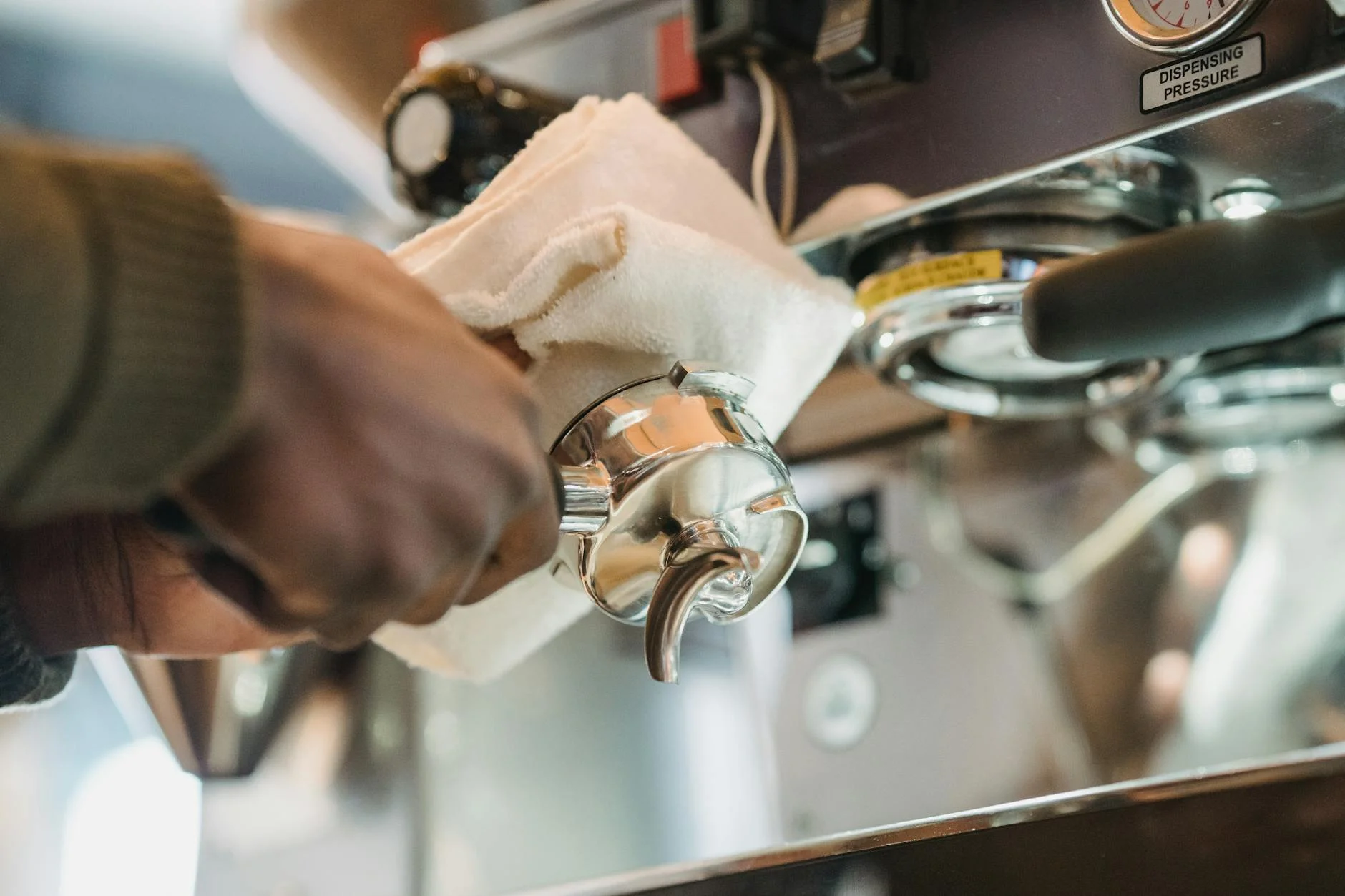
The secret to better espresso: Why a blind filter is essential for your machine
As an espresso lover, you invest in high-quality beans and meticulously dial in your grind, but are you overlooking a crucial step that could be sabotaging every shot you pull? Tucked away inside your espresso machine’s group head, a hidden enemy is at work: old coffee oils and fine grounds. These residues build up quickly, turning rancid and imparting a bitter, unpleasant taste to your coffee. The solution is a simple, inexpensive tool: the blind filter. This small metal disc is the key to a maintenance routine called backflushing, a process that is non-negotiable for anyone serious about flavor and machine longevity. This article will delve into why a blind filter is not just a recommendation but an essential part of your coffee-making ritual.
What is a blind filter and how does it work?
At first glance, a blind filter, also known as a backflush basket, looks just like a regular portafilter basket. However, it has one critical difference: it has no holes. It is a solid disc of metal designed to completely block the flow of water. This simple design is the key to the cleaning process known as backflushing. This maintenance is only possible on espresso machines equipped with a three-way solenoid valve, a component common in most semi-automatic and commercial machines that relieves pressure from the group head after a shot is pulled.
The process is straightforward. You replace your regular basket with the blind filter in your portafilter. You then lock it into the group head and run the pump, just as if you were pulling a shot. Because the water has nowhere to escape, pressure builds up within the group head. After about 5-10 seconds, you stop the pump. This is where the magic happens. The three-way solenoid valve opens to release the built-up pressure, forcing the water backwards through the group head’s internal pathways and flushing it out through the drain tube. This powerful reverse flow dislodges and carries away trapped coffee grounds and stale oils from the shower screen, dispersion block, and the valve itself.
The unseen enemy: Coffee oils and residue buildup
Every time you pull a shot of espresso, hot, pressurized water forces oils and microscopic coffee particles from the grounds. While most of this ends up in your cup, a small amount is inevitably left behind, coating the shower screen, the rubber gasket, and the intricate water pathways within the group head. This residue might seem insignificant after one shot, but it accumulates rapidly.
Coffee oils, when fresh, are responsible for the rich aroma and flavor we love. However, when exposed to air and heat, they quickly oxidize and become rancid. This rancid oil is the primary culprit behind an espresso that tastes unpleasantly bitter, sharp, or acrid, regardless of the quality of your beans or the precision of your technique. You could be using the most exquisite single-origin coffee, but if you’re brewing it through a dirty group head, the final taste will be tainted by the ghosts of old, stale shots. This buildup not only ruins the flavor of your coffee but can also lead to blockages and put unnecessary strain on your machine over time.
The tangible benefits of regular backflushing
Integrating a blind filter into your routine isn’t just about cleaning; it’s about elevating your coffee experience and protecting your investment. The benefits are immediate and long-lasting, directly impacting both your coffee’s quality and your machine’s health.
- Drastically improved flavor: This is the most compelling reason. By regularly flushing out rancid oils and old grounds, you ensure that the only flavor in your cup is that of your fresh coffee. The clarity, sweetness, and delicate nuances of your beans can finally shine through, free from the muddying influence of old residue.
- Enhanced machine longevity: The three-way solenoid valve is a precision component that is susceptible to clogging. The mixture of coffee grounds and sticky oils can form a sludge that blocks the valve, leading to a constant drip from the group head, improper pressure release, and eventual component failure. Regular backflushing keeps these pathways clear, preventing costly repairs down the line.
- Greater consistency: A clean machine is a consistent machine. When the shower screen and dispersion block are free of blockages, water is distributed more evenly over the coffee puck. This prevents channeling and leads to a more balanced and repeatable extraction, making it easier to dial in your shots and achieve perfect results every time.
Creating a simple backflushing schedule
Knowing when and how often to backflush is key to effective maintenance. A consistent schedule prevents severe buildup and makes the process quick and easy. The frequency depends on how much you use your machine, but a general guideline works well for most home and light commercial users. There are two types of backflushing: a simple water rinse and a more thorough cleaning with a specialized detergent.
Here is a sample schedule you can adapt to your needs:
| Frequency | Action | Purpose |
|---|---|---|
| Daily (End of day) | Water-only backflush (3-5 cycles) | Rinses out loose coffee grounds from the day’s use before they become embedded. |
| Weekly (For heavy use) or Bi-weekly (For light use) | Detergent backflush (Followed by water-only rinse) | Uses a specialized cleaner to dissolve and remove stubborn, built-up coffee oils that water alone cannot. |
Remember to always follow a detergent backflush with several water-only cycles to ensure all traces of the cleaner are rinsed away before you pull your next shot of espresso.
Conclusion
The blind filter is far more than a simple accessory; it is an indispensable tool for anyone who values the taste of their coffee and the health of their espresso machine. By enabling the crucial process of backflushing, it provides the only effective way to clean the internal workings of your machine’s group head. This simple routine directly combats the buildup of rancid coffee oils, the primary cause of bitter and inconsistent espresso shots. Committing to a regular backflushing schedule will not only reward you with a consistently cleaner, sweeter, and more authentic tasting cup of coffee but will also protect your machine’s vital components from clogs and premature failure. It is a small, easy step that offers a massive return on flavor and longevity.

 No products in the cart.
