Why water chemistry is critical for manual espresso machines
For the passionate home barista, crafting the perfect espresso shot is a ritual. We obsess over the finest beans, the precision of the grind, and the art of the perfect tamp. Yet, we often overlook the single largest ingredient in our cup: water. It’s easy to assume that if water is good enough to drink, it’s good enough for our espresso. This is a critical mistake. The water flowing through your manual espresso machine is not just H2O; it’s a complex chemical solution. Its mineral content has a profound impact on two vital areas: the long-term health of your machine and the taste of your coffee. This article will explore why understanding and controlling your water chemistry is not just for experts, but an essential skill for any serious enthusiast.
The silent killer: Scale and corrosion
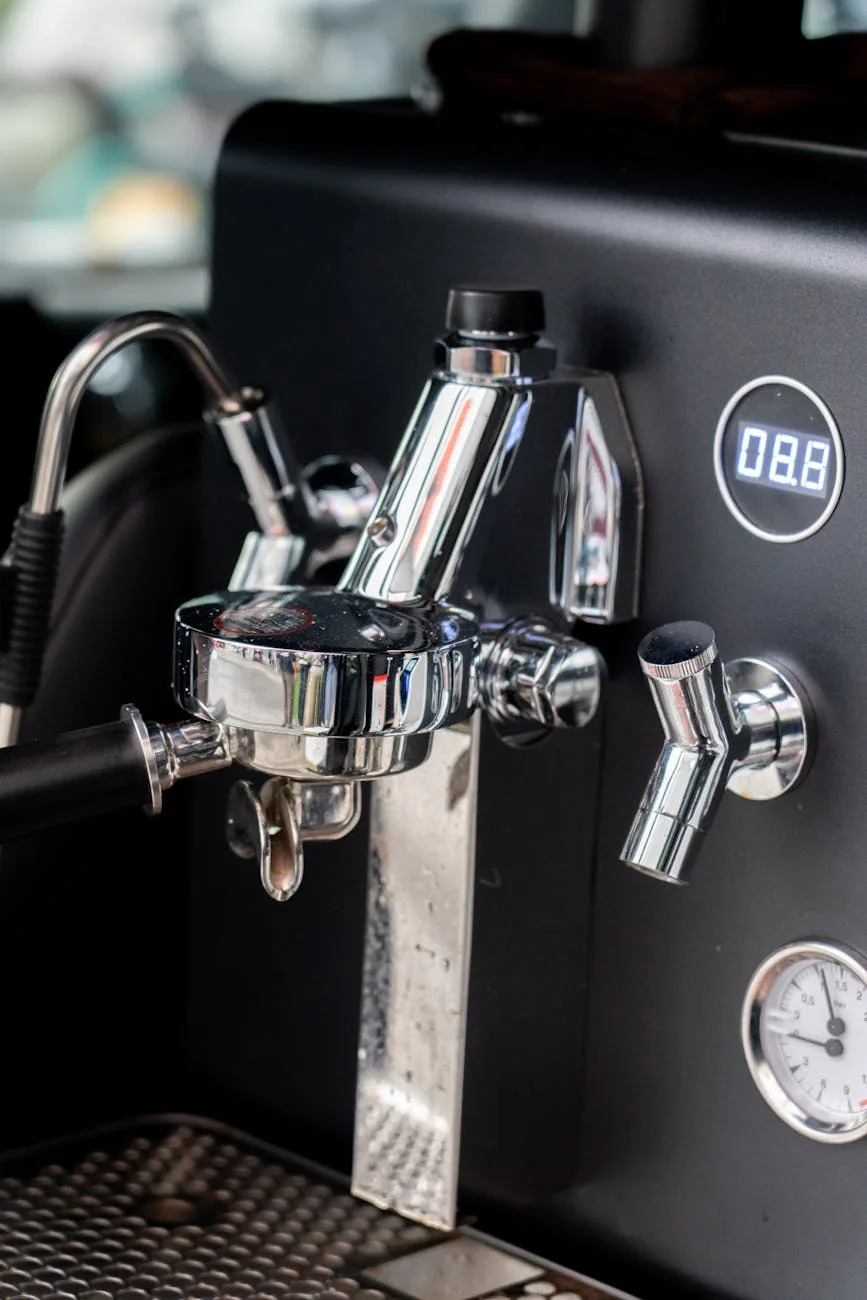
Your manual espresso machine is a beautiful piece of engineering, often built with brass or copper boilers and an intricate network of narrow pipes. This internal system is highly vulnerable to the water that passes through it. The most common enemy is limescale. When water rich in minerals like calcium and magnesium (often called “hard water”) is heated, these minerals precipitate out of the solution and form a hard, chalky deposit. This scale builds up on heating elements, inside the boiler, and along the walls of pipes.
The consequences are severe. A layer of scale on a heating element acts as an insulator, forcing the machine to work harder and consume more energy to reach temperature. This strain can lead to premature failure. In the pipes and group head, scale buildup can restrict water flow, leading to inconsistent pressure and poor extractions. In the worst-case scenario, a vital component can become completely blocked, requiring a costly and complicated repair.
Conversely, using water that is too pure, such as distilled or reverse osmosis (RO) water, presents a different danger: corrosion. Water with no mineral content is chemically aggressive. It will actively seek to dissolve metals it comes into contact with to reach equilibrium. Over time, this can leach copper, brass, and lead from your machine’s components, causing irreversible damage and potentially contaminating your coffee. Finding the right mineral balance is key to protecting your investment.
How minerals shape your espresso’s flavor
Moving beyond machine health, water chemistry is a primary driver of flavor extraction. Coffee beans contain a multitude of wonderful flavor compounds, and water acts as the solvent that pulls them into your cup. However, it’s the minerals within the water that do the heavy lifting. Specifically, magnesium and calcium ions are fantastic at binding to and extracting desirable flavor compounds like fruity and floral notes.
Here’s how the balance plays out:
- Water that is too hard: An excess of minerals, particularly bicarbonate, can lead to over-extraction. This results in a heavy, chalky mouthfeel and a dull, flat taste. The high mineral content can also buffer the coffee’s natural, bright acids too much, muting the vibrant flavors of the bean. The resulting shot is often one-dimensional and bitter.
- Water that is too soft: A lack of these essential minerals means the water is an inefficient solvent. It struggles to pull the full range of flavors from the coffee grounds. This leads to under-extraction, producing an espresso that tastes unpleasantly sour, thin, and lifeless. You lose all the sweetness and complexity the roaster worked so hard to develop.
The goal is to use water with enough mineral content to effectively extract flavor but not so much that it flattens the taste or creates scale. It’s a delicate balance that separates a good shot from a truly exceptional one.
Understanding the key water parameters
To take control of your water, you need to understand what you’re measuring. While the chemistry can seem daunting, it boils down to a few key concepts. Focusing on Total Dissolved Solids (TDS), General Hardness (GH), and Carbonate Hardness (KH) will give you a clear picture of your water’s suitability for espresso.
Total Dissolved Solids (TDS), measured in parts per million (ppm), gives you a general sense of how much “stuff” is in your water. While a useful starting point, it doesn’t tell you what those solids are. You could have a perfect TDS reading that is composed of sodium, which doesn’t help extraction and can cause corrosion.
That’s why it’s more important to look at:
- General Hardness (GH): This specifically measures the concentration of calcium and magnesium ions—the minerals essential for flavor extraction but also responsible for scale.
- Carbonate Hardness (KH): Also known as alkalinity, this measures the concentration of carbonate and bicarbonate ions. KH acts as a buffer, controlling the water’s pH and preventing the coffee’s acidity from becoming too sharp. It is also a primary contributor to limescale when combined with calcium.
The Specialty Coffee Association (SCA) provides target standards for brewing water, which serve as an excellent guide for espresso.
| Parameter | SCA Target | Acceptable Range | Notes |
|---|---|---|---|
| TDS | 150 ppm | 75 – 250 ppm | A general guideline; GH and KH are more important. |
| General Hardness (GH) | 68 ppm (4 dGH) | 50 – 85 ppm (3-5 dGH) | The sweet spot for flavor extraction without excessive scale. |
| Alkalinity (KH) | 40 ppm | 40 – 70 ppm | Balances acidity. Too low can cause corrosion; too high mutes flavor. |
| pH | 7.0 | 6.5 – 7.5 | Ensures water is neutral, not acidic or alkaline. |
Practical solutions for perfect espresso water
Achieving ideal water chemistry is more accessible than ever. The first step is to understand your starting point. You can easily test your tap water using affordable aquarium titration test kits for GH and KH, which provide much more accurate results than paper strips.
Once you know your water’s profile, you have several options:
- In-tank softeners and filters: For water that is moderately hard, in-tank ion-exchange softening pouches (like those from BWT or Oscar) are a simple and effective solution. They sit in your machine’s water reservoir and swap scale-forming calcium ions for non-scaling sodium or hydrogen ions. These need to be replaced regularly.
- Specialized water filtration systems: Systems designed for coffee, like those from BWT or Everpure, can be plumbed into your machine. They are designed to filter out impurities while leaving a balanced amount of minerals perfect for coffee, offering a convenient, set-and-forget solution.
- Building your own water: For ultimate control, many enthusiasts create their own water. This involves starting with pure, demineralized water (distilled or from a reverse osmosis system) and adding specific mineral concentrates. Companies like Third Wave Water offer pre-made mineral packets, or you can create your own recipes using Epsom salt (magnesium sulfate) and baking soda (sodium bicarbonate). This method guarantees perfect, consistent water every single time.
In conclusion, the water you use is not a passive ingredient but an active and critical component in making espresso. As we’ve seen, its chemical makeup directly governs the health of your manual espresso machine and the final taste in the cup. Water that is too hard will inevitably lead to damaging scale buildup, choking your machine and requiring expensive repairs. On the other hand, water that is too soft or pure is corrosive and produces a weak, sour, and unfulfilling shot. Achieving the right balance of minerals for hardness and alkalinity is the key. By testing your water and implementing a solution—whether it’s simple filtration or building your own water from scratch—you are taking a vital step to protect your investment and unlock the true flavor potential of your coffee beans.