
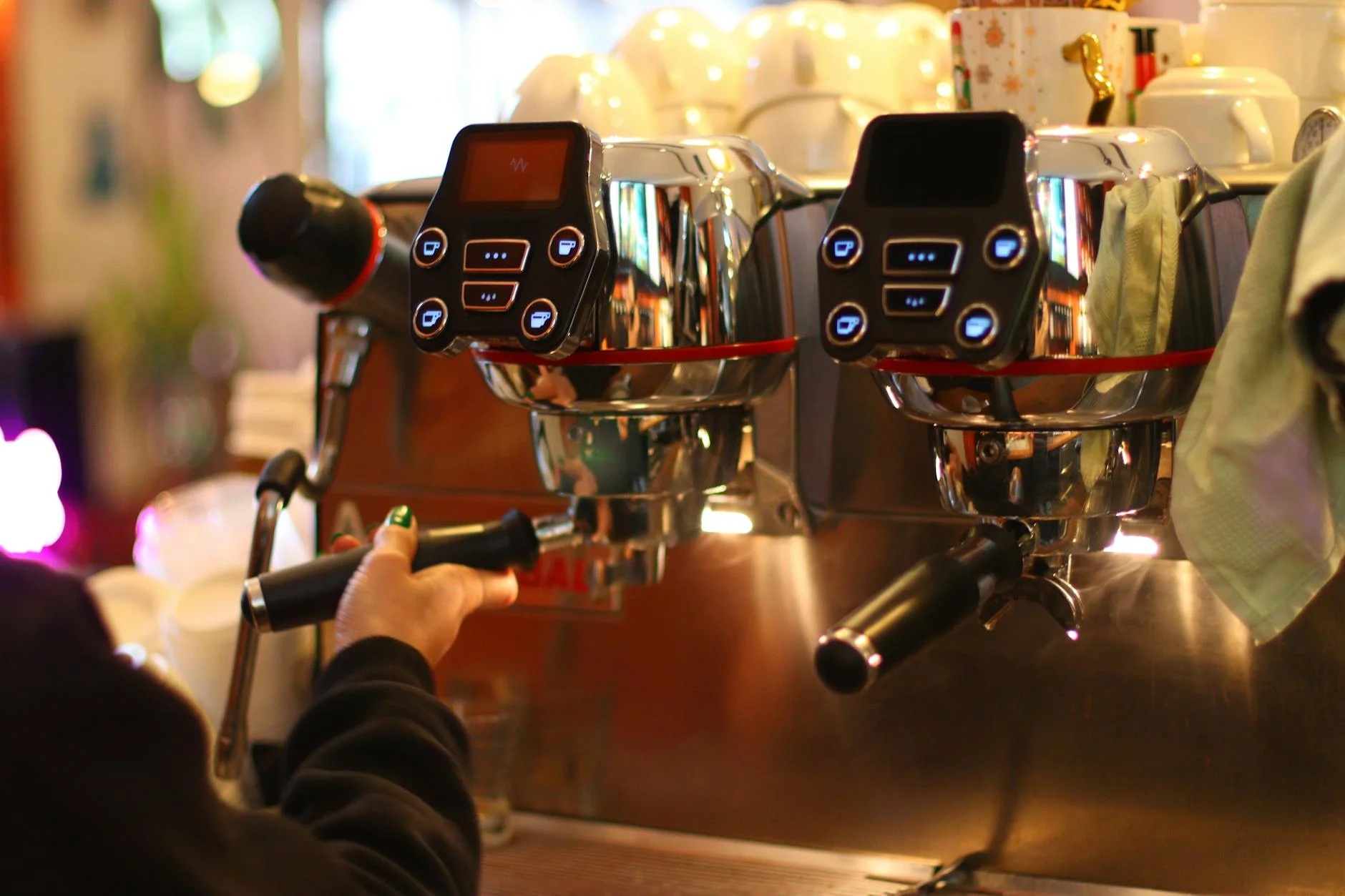
The Gaggia Classic is a legendary machine in the world of home espresso, celebrated for its robust build, repairability, and ability to produce fantastic coffee. For many aspiring baristas, it’s the first step into a more serious coffee journey. However, this beloved machine comes with a well-known quirk that can cause immediate frustration: an almost comical lack of space between the portafilter spouts and the drip tray. This isn’t just a minor inconvenience; it strikes at the heart of modern espresso-making, where precision is key. The struggle to fit a standard digital scale under your cup is a rite of passage for many Gaggia owners, turning the crucial act of weighing a shot into a daily puzzle. This article will dive into why this problem exists and explore the practical solutions to solve it.
A legacy design in a modern world
To understand the clearance issue, we have to look at the Gaggia Classic’s heritage. The machine’s core design has remained largely unchanged for decades. It was conceived in an era when the home barista workflow was vastly different. The common practice was to rely on volumetric dosing—pulling a shot until it reached a certain line on a shot glass—or simply stopping the shot based on color and intuition. The idea of placing a hyper-accurate digital scale on the drip tray to measure the liquid espresso’s weight in real-time was a concept reserved for high-end coffee labs, not home kitchens.
The machine’s components reflect this older philosophy. The group head sits at a traditional height, and the stock drip tray is designed for one primary purpose: to hold a large volume of purge water. Its deep plastic basin and thick metal grate are built for capacity, not for creating vertical space. This combination of a standard-height group and a high-capacity drip tray is the direct cause of the problem. The Gaggia Classic wasn’t poorly designed; rather, it was designed for a workflow that has since been superseded by more precise, weight-based methods.
The non-negotiable role of an espresso scale
You might ask, “Is weighing my shot really that important?” For anyone seeking consistency and improvement, the answer is an emphatic yes. Espresso is all about controlling variables, and the most critical variable is the brew ratio—the relationship between the weight of your dry coffee grounds (your dose) and the weight of the liquid espresso in your cup (your yield).
A typical starting point is a 1:2 ratio. For example, if you use 18 grams of coffee grounds, you’ll aim for a 36-gram liquid espresso yield. This precision is impossible to achieve with volumetric methods. The volume of crema can vary wildly depending on the freshness of the beans, the roast level, and even the type of coffee, making marked shot glasses highly unreliable. Using a scale allows you to:
- Ensure repeatability: Once you dial in a great-tasting shot, you can replicate it every single time by hitting the same dose, yield, and time.
- Experiment accurately: You can purposefully try different ratios (like a 1:2.5 for a lighter roast) and know exactly what you’re tasting.
– Diagnose problems: If your shot runs too fast or too slow to reach the target weight, you know you need to adjust your grind size.
Without a scale, you are essentially flying blind. This makes the Gaggia Classic’s clearance issue more than an annoyance; it’s a direct barrier to mastering the craft of espresso.
Breaking down the clearance problem
Let’s get specific. The stock Gaggia Classic (Pro and earlier models) offers roughly 8.5 centimeters of vertical clearance between the drip tray grate and the bottom of a standard double-spouted portafilter. This space has to accommodate both your cup and your scale. While this might seem workable at first glance, the reality is a constant struggle.
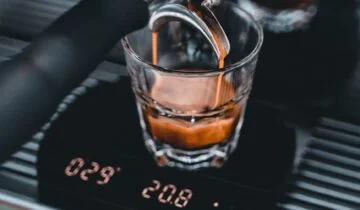
Many popular, budget-friendly coffee scales are simply too thick to fit. Even scales marketed for espresso can create an uncomfortably tight squeeze, forcing you to use only the thinnest espresso cups or demitasses. This problem is made even worse if you use a bottomless portafilter, which often sits slightly lower than a spouted one, further reducing your precious vertical real estate. The daily workflow involves precariously tilting the cup to slide it under the portafilter, hoping you don’t disturb the scale and reset its reading. This is where many baristas realize a change is needed.
| Scale Model | Height (mm) | Fits Stock Gaggia? | Fits with Low-Profile Tray? |
|---|---|---|---|
| Acaia Lunar | 21.5 | Yes (very tight fit) | Yes (excellent fit) |
| Timemore Black Mirror Nano | 20 | Yes (very tight fit) | Yes (excellent fit) |
| Weightman/SearchPean Scale | 15-19 | Yes (good fit) | Yes (excellent fit) |
| Generic Kitchen Scale | 30+ | No | Maybe (very tight fit) |
Practical solutions from free to fantastic
Fortunately, the Gaggia community is resourceful, and there are several well-established solutions to reclaim that much-needed space. They range from zero-cost hacks to transformative modifications.
- The free hack: Remove the grate. The simplest and most immediate solution is to remove the metal drip tray cover and place your scale and cup directly inside the plastic basin. This instantly gains you over a centimeter of space. The downside is that it’s messy and unstable. Your scale is sitting in a wet environment, and the surface is not perfectly level, which can affect accuracy.
- The gear solution: Buy a slim scale. Investing in an ultra-thin espresso scale is another direct approach. Models like the popular Weightman or SearchPean scales are often under 20mm tall and designed specifically for this purpose. While this helps, it may not fully solve the issue if you want to use a larger mug for an Americano or latte.
- The ultimate fix: Install a low-profile drip tray. This is widely considered the best and most permanent solution. Several third-party vendors (like the popular Shades of Coffee in the UK) manufacture “slim” or “low-profile” drip trays designed to replace the bulky original. These trays are much shorter, often adding an extra 1.5 to 2.5 centimeters of clearance. This simple modification completely transforms the workflow, making it easy to fit almost any scale and cup combination with room to spare.
For most users, the best long-term strategy is a combination of a low-profile drip tray and a reasonably slim scale, giving you maximum flexibility and eliminating the clearance headache for good.
In conclusion, the Gaggia Classic’s notorious struggle with scale clearance is a direct consequence of its classic, time-tested design clashing with the demands of the modern, data-driven home barista. While the machine was born in an era of volumetric pouring, its users now live in a world of gram-perfect precision. The stock configuration, with its deep drip tray, simply wasn’t built for a scale-centric workflow. However, this is far from a fatal flaw. As we’ve seen, the problem is entirely solvable. Whether through a simple, no-cost hack, the purchase of a purpose-built slim scale, or the definitive upgrade to a low-profile drip tray, every Gaggia owner can overcome this hurdle. Taming the clearance issue is a key step in unlocking the full potential of this fantastic machine.


 No products in the cart.
