

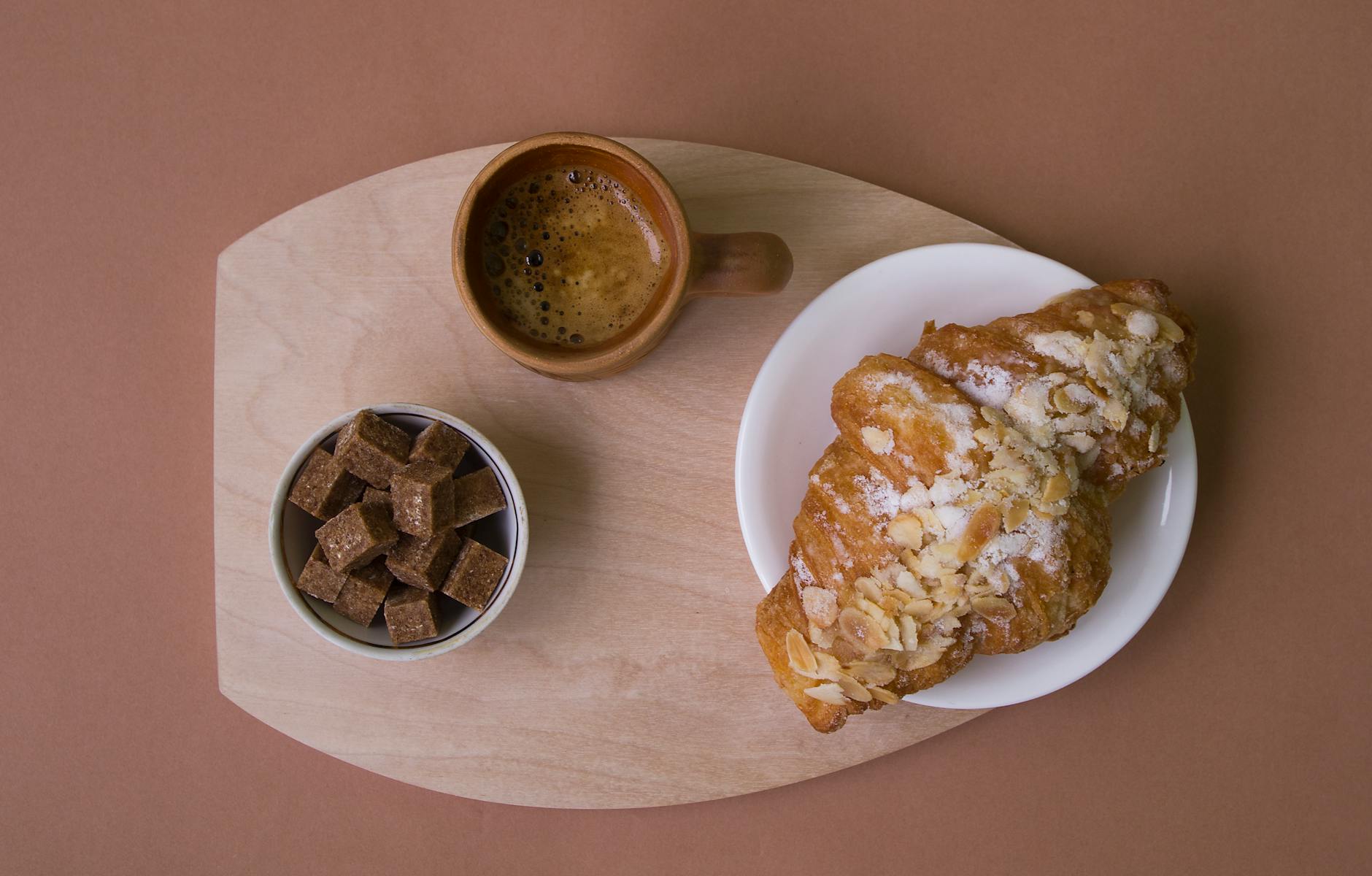
Unlocking caramel notes: Why turbinado sugar is perfect for medium roast coffee
The daily ritual of brewing coffee is, for many, a quest for the perfect cup. We carefully select our beans, grind them to the perfect consistency, and debate the merits of different brewing methods. But what about the final touch? While some purists drink their coffee black, many of us enjoy a hint of sweetness. For lovers of medium roast coffee, the choice of sweetener can be more than just an afterthought—it can be a tool to elevate the entire experience. This article delves into the specific and wonderful synergy between medium roast coffee and turbinado sugar, exploring how this less-refined sweetener doesn’t just add sweetness, but actively enhances the coffee’s natural, delicious caramel notes for a richer, more complex flavor profile.
Understanding the medium roast flavor profile
Before we can enhance a coffee’s flavor, we must first understand it. Medium roast coffees are celebrated for their balance. The roasting process is stopped around the “first crack,” a point where the beans have expanded and developed a significant amount of their aromatic compounds without being overwhelmed by the smoky, roasty flavors of a darker roast. This careful timing preserves much of the bean’s original character while developing a pleasant sweetness and a well-rounded body.
The key to this profile lies in two chemical reactions: the Maillard reaction and caramelization. These processes create the tasting notes that coffee lovers cherish in a medium roast: hints of nut, milk chocolate, and most importantly for our discussion, caramel. These notes are inherent to the coffee itself, a direct result of the sugars and amino acids within the bean transforming under heat. The goal, then, is not to cover up these subtle flavors with overwhelming sweetness, but to find a partner that can coax them forward and make them shine.
What makes turbinado sugar unique?
Not all sugars are created equal. While standard white granulated sugar is pure sucrose, stripped of all other components, turbinado sugar tells a different story. Named after the turbines used to spin it, turbinado sugar is produced from the initial pressing of sugarcane. It is only partially refined, a process which allows it to retain a significant amount of its natural surface molasses.
This leftover molasses is the secret to its magic. It gives the sugar its distinctive large, light-brown crystals and, more importantly, its unique flavor profile. Unlike the one-dimensional sweetness of white sugar, turbinado offers a more complex taste with subtle notes of caramel and a hint of toffee. This means it’s not just an ingredient that adds sweetness; it’s an ingredient that adds flavor. Its coarse crystals also dissolve more slowly than fine granulated sugar, which can create a more nuanced integration of sweetness throughout your cup.
The synergy between turbinado and medium roasts
Here is where the connection becomes clear. When you introduce turbinado sugar to a cup of medium roast coffee, you are not just sweetening it—you are engaging in a practice of flavor pairing. The subtle caramel and molasses notes present in the turbinado sugar act as an amplifier for the identical notes already present in the coffee from the roasting process. It’s a complementary relationship where “like enhances like.”
Instead of simply laying a blanket of sweetness over the coffee, the turbinado sugar integrates seamlessly, lifting the coffee’s own caramel and toffee notes to the forefront of your palate. Because it is less intensely sweet than refined white sugar, it doesn’t overpower the delicate acidity and nutty undertones of the medium roast. The result is a cup that tastes richer, deeper, and more intentionally crafted. You’re not tasting coffee with sugar; you’re tasting a more complete and expressive version of the coffee itself.
Choosing the right sweetener for your coffee
To truly appreciate the effect of turbinado sugar, it helps to compare it to other common sweeteners. Each one interacts with the coffee’s flavor profile in a distinct way. When brewing a quality medium roast, the choice of sugar can either elevate or mask its best qualities. A little experimentation is always encouraged, but starting with a half-teaspoon of turbinado is a great way to begin. Notice how it doesn’t just sweeten, but adds a depth and warmth that other sugars can’t replicate.
Here is a simple comparison of how different sugars interact with a typical medium roast:
| Sugar type | Flavor profile | Impact on medium roast | Effect on caramel notes |
|---|---|---|---|
| White sugar | Pure, neutral sweetness | Adds sweetness without altering flavor, but can easily mask subtle notes. | Masks them with intense, one-dimensional sweetness. |
| Brown sugar | Strong, heavy molasses flavor | Can overpower the coffee’s natural profile with its own dominant flavor. | Overwhelms them with a stronger molasses taste. |
| Turbinado sugar | Light caramel and molasses notes | Complements and enhances the coffee’s inherent sweetness and body. | Amplifies them, creating a richer, more cohesive flavor. |
| Honey | Varies (floral, fruity) | Introduces a new, often competing, flavor profile to the coffee. | Distracts from them with its own distinct floral sweetness. |
Conclusion
In the pursuit of a better cup of coffee, every detail matters. For those who appreciate the balanced, nuanced profile of a medium roast, the choice of sweetener is a critical final step. As we’ve explored, turbinado sugar offers a unique advantage over its more refined or more flavorful counterparts. Its magic lies in its subtlety and its complementary nature. By retaining some of its natural molasses, it carries delicate caramel notes that mirror those developed during the coffee roasting process. The result is not just a sweeter cup, but a more flavorful and harmonious one. It enhances without overpowering, and it elevates without altering. So next time you brew your favorite medium roast, consider reaching for turbinado sugar and discover a new layer of richness you never knew was there.



 No products in the cart.