
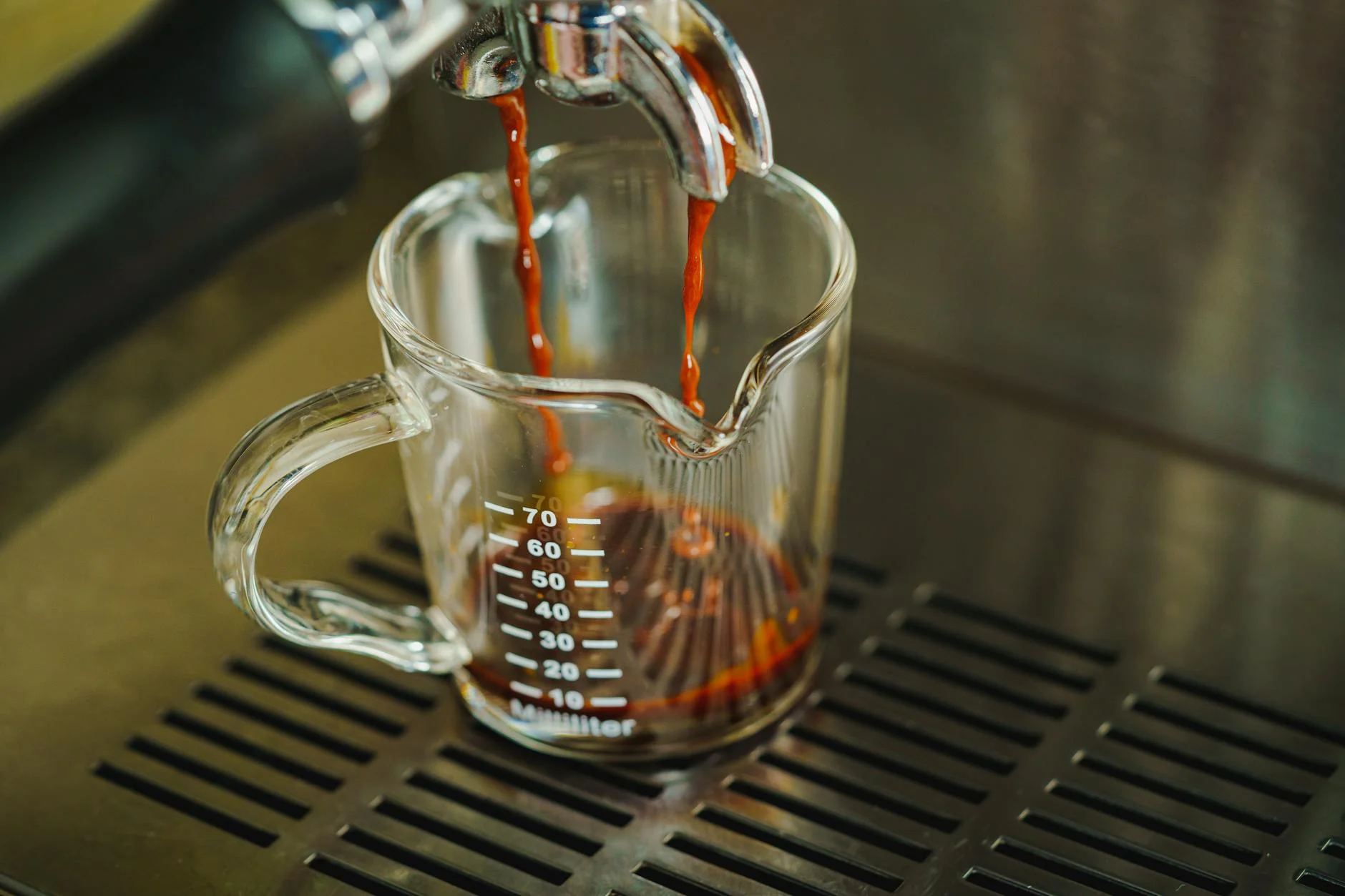
Welcome to the nuanced world of manual espresso, where the barista is not just an operator but a conductor, orchestrating a symphony of variables to create the perfect shot. Beyond the basics of dose and yield, lies a more dynamic and crucial element: the flow rate. Understanding and controlling the speed at which water moves through your coffee puck is arguably one of the most significant steps toward mastering espresso extraction. This article will delve deep into the concept of flow rate, exploring what it is, the factors that influence it, how to measure it, and most importantly, how it directly impacts the final taste in your cup. It’s time to move beyond simply timing your shots and start actively managing their flow.
What is espresso flow rate?
At its core, flow rate is the volume or mass of water passing through the coffee puck over a specific period. It’s typically measured in grams per second (g/s) or milliliters per second (ml/s). While often confused with shot time or brew ratio, flow rate is a distinct, dynamic variable that describes the behavior of the extraction from start to finish. A standard 30-second shot that yields 36 grams of espresso has an average flow rate of 1.2 g/s, but this single number hides the full story.
A manual espresso shot isn’t a constant, linear event. It has distinct phases, each with its own characteristic flow:
- Pre-infusion: This initial phase involves gently wetting the puck at low pressure. The flow rate is very low, often close to zero, as the water saturates the grounds and allows CO2 to escape.
- First Drips: As pressure builds and the puck becomes fully saturated, the first drops of espresso begin to appear. The flow rate is slow and syrupy.
- Main Extraction: This is the heart of the shot, where the majority of the beverage is extracted. The flow rate typically increases to its peak, ideally remaining steady and controlled.
- Tailing Off: Towards the end of the shot, the puck’s integrity may begin to degrade, or the barista may intentionally reduce pressure (on a lever or flow control machine), causing the flow rate to decrease.
Understanding this progression is the first step to manipulating it for better-tasting coffee.
The key factors influencing flow rate
Flow rate isn’t an independent variable; it’s the result of several other factors you control. Mastering flow means mastering these inputs. Think of them as the dials and levers you can adjust to achieve your desired extraction speed.
Grind size is the most powerful tool in your arsenal. It’s the primary way to control resistance within the coffee puck. A finer grind creates more surface area and a more compact puck, increasing resistance and therefore slowing down the flow of water. Conversely, a coarser grind creates larger gaps between particles, reducing resistance and speeding up the flow. Small, incremental adjustments to your grinder can have a dramatic impact on the shot’s flow rate.
Next is the dose, or the amount of coffee used. A larger dose increases the depth of the coffee bed, forcing the water to travel a longer path. This added distance increases resistance and slows the flow. A smaller dose has the opposite effect. Consistency in dosing is critical for achieving repeatable flow rates shot after shot.
Finally, with manual espresso, pressure profiling is paramount. The force you apply to the lever directly translates to the pressure exerted on the puck. By varying this pressure throughout the shot, you can directly manipulate the flow rate in real-time. A gentle, low-pressure pre-infusion keeps the initial flow slow, while a steady application of pressure during the main extraction phase establishes a consistent flow. Tapering the pressure off at the end can slow the flow again, preventing the extraction of bitter compounds as the puck erodes.
Measuring and controlling the flow
To control what you cannot measure is impossible. Fortunately, tracking flow rate has become easier than ever. The most essential tool is a coffee scale with a built-in timer. By placing your cup on the scale and starting the timer as you begin the pull, you can watch the weight increase over time. This gives you direct feedback on the speed of your extraction.
For even greater precision, smart scales (like those from Acaia or Felicita) offer a live flow rate display, showing you the g/s in real-time. This technology is a game-changer for manual espresso, allowing you to make micro-adjustments to your lever pressure based on instant feedback. For example, if you see the flow rate suddenly spike from 1.5 g/s to 3.0 g/s, you know channeling has occurred and can ease off the pressure to try and save the shot.
The goal is to develop a target flow profile. A popular approach is to aim for a slow pre-infusion, followed by a steady flow of around 1.5-2.5 g/s during the main extraction phase, and then slowing it down again as you approach your target beverage weight. This control allows you to highlight sweetness and complexity while minimizing undesirable flavors.
How flow rate defines the taste in your cup
Ultimately, all this technical focus on flow rate comes down to one thing: taste. The speed of extraction directly determines which flavor compounds are dissolved from the coffee grounds and end up in your cup. Getting the flow rate wrong in either direction can ruin a potentially great coffee.
A fast flow rate is a classic sign of under-extraction. The water rushes through the puck too quickly, failing to extract the heavier, sweeter compounds like sugars and caramels. It primarily pulls out the quickly-dissolving acids, resulting in a shot that tastes sour, thin-bodied, and unsatisfying. This is often caused by a grind that’s too coarse or by channeling, where water punches a hole through the puck instead of flowing evenly.
Conversely, a slow flow rate leads to over-extraction. When the water spends too much time in contact with the coffee, it begins to extract unpleasant, bitter, and astringent compounds after all the desirable flavors have been dissolved. This “choked” shot, often caused by a grind that’s too fine, will taste harsh, dry, and leave a lingering, medicinal bitterness on your palate.
The sweet spot is a balanced flow, one that is controlled and steady. This allows for a complete and even extraction, capturing the bright acidity, the deep sweetness, and the rich oils in perfect harmony. The result is a shot with a luscious body, complex flavor, and a long, pleasant aftertaste.
| Flow Rate Profile | Common Cause | Resulting Taste |
|---|---|---|
| Too Fast | Grind too coarse, channeling, low dose | Sour, thin body, weak, acidic |
| Ideal / Balanced | Correct grind, dose, and puck prep | Sweet, complex, rich body, balanced |
| Too Slow (Choked) | Grind too fine, overdosing, tamping too hard | Bitter, astringent, harsh, dry |
Mastering the flow rate of your manual espresso shots is a journey from passive brewing to active creation. It transforms the process from a simple recipe of time and weight into a dynamic performance where you are in complete control. By understanding that flow is the result of grind size, dose, and the pressure you apply, you can begin to make intentional choices that directly influence taste. Monitoring your shots with a scale provides the crucial feedback needed to refine your technique. Stop just timing your espresso and start conducting it. The reward will be a level of consistency, control, and flavor quality that elevates your coffee from merely good to truly exceptional.
 No products in the cart.
