
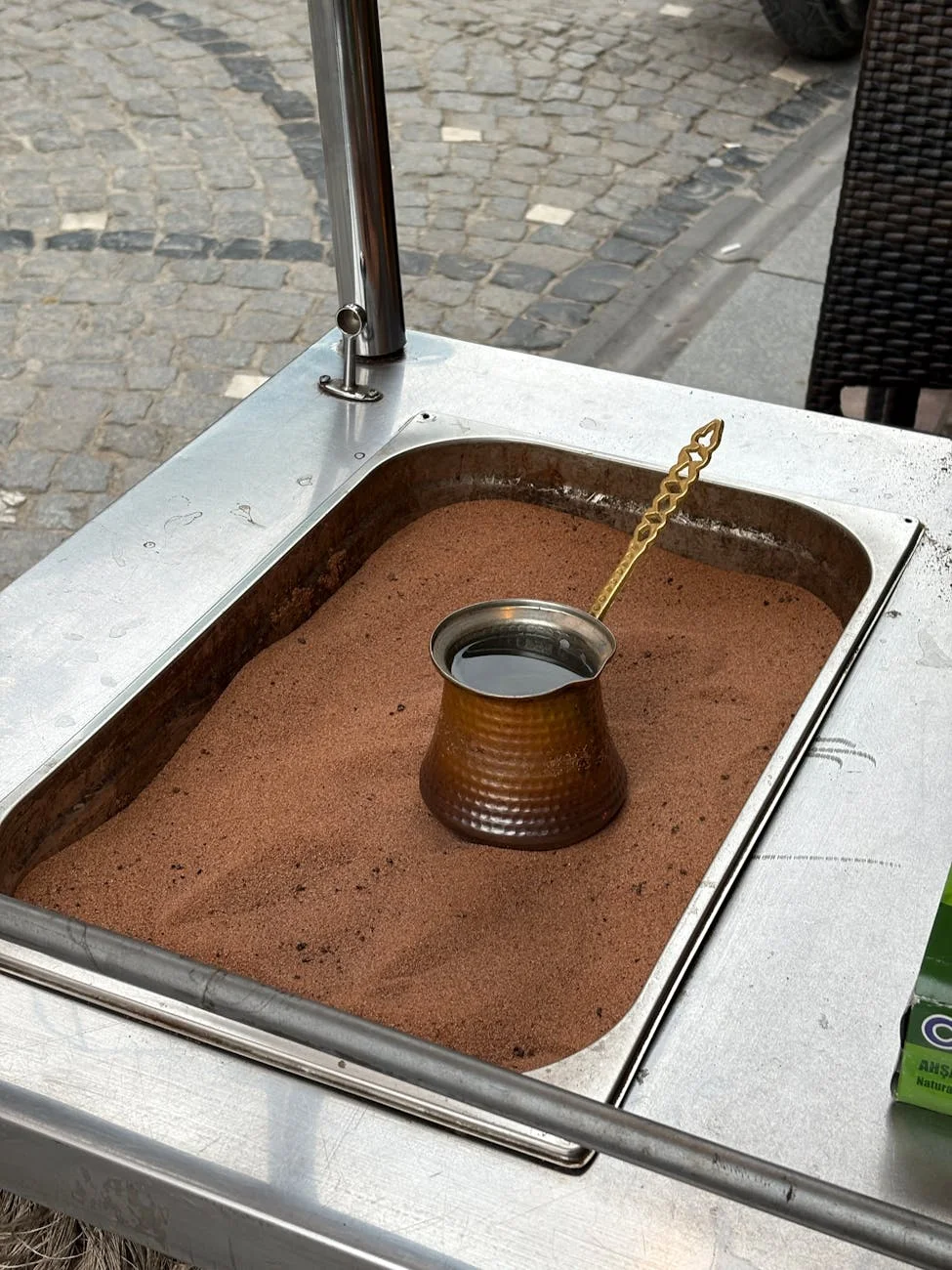
The science of the first rise: Timing your cezve removal for maximum flavor
The ritual of preparing Turkish coffee is an art form, a sensory journey that begins long before the first sip. Central to this process is the mesmerizing moment of the “first rise,” when the coffee and foam swell within the cezve. Many see this as a simple sign that the coffee is ready, but it’s a critical, science-backed event. Misjudge this moment, and you risk a cup that’s either disappointingly weak or unpleasantly bitter. This article delves into the science behind that crucial first rise. We will explore the chemical reactions at play, the vital role of temperature in flavor extraction, and the precise visual cues that signal the perfect time to lift your cezve from the heat, ensuring a rich, aromatic, and perfectly balanced brew every single time.
What happens inside the cezve?
To master the timing, we first need to understand the magic happening inside the pot. The first rise is not simply the coffee boiling. In fact, true boiling is the enemy of great Turkish coffee. The process is a delicate interplay between heat, water, finely ground coffee, and carbon dioxide (CO2). When coffee beans are roasted, CO2 gas gets trapped within their cellular structure. Grinding the beans very finely, as is required for Turkish coffee, exposes a massive surface area, making these gasses ready for a quick release.
As you gently heat the water and coffee mixture in the cezve, two things happen simultaneously. First, the water begins to extract soluble flavor compounds from the coffee grounds—sugars, oils, acids, and melanoidins. Second, the rising temperature causes the trapped CO2 to expand and escape. These expanding gas bubbles attach to the fine coffee particles and oils, carrying them to the surface. This creates the thick, stable, and flavorful foam, known as köpük in Turkish, which is the hallmark of a well-made brew. The first rise is the peak of this activity, a visual indicator that the extraction process is in full swing.
Temperature’s delicate dance with flavor
The flavor of your coffee is a direct result of which compounds are extracted from the grounds, and temperature is the master conductor of this process. Different compounds dissolve at different rates and temperatures. This is why the first rise is so important; it signals that the brew has reached the optimal temperature window for a balanced extraction.
- Under-extraction (Too cold): If you remove the cezve too early, before a proper rise, the water temperature is likely below 195°F (90°C). At this stage, only the most soluble, sour-tasting acids have been extracted. The result is a thin, weak, and sour cup, lacking the sweetness and body of a proper brew.
- Optimal extraction (Just right): The ideal temperature range for coffee extraction is generally between 195-205°F (90-96°C). This is the “sweet spot” where you achieve a harmonious balance. The desirable sugars, aromatic oils, and nuanced acids are all extracted, creating a rich, complex, and full-bodied coffee. The first rise occurs precisely within this temperature range.
- Over-extraction (Too hot): If you let the cezve come to a rolling boil (212°F / 100°C), you’ve gone too far. High temperatures violently extract bitter-tasting compounds like tannins and break down the delicate aromatic oils you worked so hard to create. Boiling also destroys the köpük, causing it to collapse and leaving you with a flat, harsh, and bitter drink.
Essentially, by watching for the first rise, you are using a natural, built-in thermometer to pinpoint the exact moment your coffee has reached its peak potential for flavor.
Mastering the moment: A practical guide
Knowing the science is one thing, but applying it requires careful observation. The process from a cold mix to the perfect rise happens quickly, so paying close attention is key. Look for a sequence of visual cues that guide you to the perfect moment to remove the cezve from the heat.
The key is to intervene just before the foam spills over. This action of lifting the pot off the heat allows the foam to settle slightly. Some traditions involve returning the pot to the heat for a second or even third rise to build a thicker foam, but the first rise is the most important for flavor development. All subsequent rises are purely for texture.
| Stage of the Brew | Visual Cues | Your Action |
|---|---|---|
| The beginning | A dark ring begins to form around the edge of the liquid. | Be patient. The extraction is just starting. |
| The build-up | The ring of foam thickens and starts moving toward the center. The surface begins to swell gently. | Pay close attention. The critical moment is approaching. |
| The peak rise | The foam rapidly swells into a dome, climbing the walls of the cezve. | Remove the cezve from the heat immediately. |
| The point of no return | The foam breaks, and large bubbles erupt as the coffee boils over. | Too late. The coffee is now over-extracted and will be bitter. |
The taste of timing: Too early vs. too late
The difference of a few seconds in your timing can lead to dramatically different results in your cup. Let’s compare the consequences. Removing the cezve too early, before the foam has fully domed, means the brew has not reached the optimal extraction temperature. Your coffee will be under-extracted. The flavor profile will be predominantly sour and grassy, with a thin, watery body. It will lack the deep, chocolatey, and nutty notes that make Turkish coffee so satisfying. The precious köpük will be thin and dissipate almost immediately, as not enough CO2 and oils have risen to create a stable foam.
Conversely, waiting too long and allowing the coffee to boil is the most common mistake. This act of boiling over-extracts the grounds, releasing a flood of bitter alkaloids and tannins into the brew. The intense heat also vaporizes the most volatile and pleasant aromatic compounds, leaving behind a harsh, burnt, and often muddy taste. What’s more, the violent bubbling of a true boil completely destroys the delicate foam structure, integrating the fine grounds back into the liquid and resulting in a gritty, unpleasant texture. The perfect cup exists in the balance achieved only by respecting the first rise.
Conclusion
Brewing Turkish coffee is a beautiful blend of tradition and science. The first rise is far more than a simple signal that the coffee is hot; it is the culmination of a delicate process of gas expansion and flavor extraction. As we’ve seen, this visual cue is your guide to the perfect extraction temperature, the sweet spot between a sour, under-extracted brew and a bitter, over-extracted one. By understanding what’s happening inside the cezve and learning to recognize the visual stages of the brew, you can master the timing of your removal. This precision transforms the coffee-making process from guesswork into a repeatable skill, empowering you to unlock the maximum flavor, aroma, and signature rich köpük from your grounds every single time.

 No products in the cart.
