

Step up to any specialty coffee shop counter, and you’re faced with a menu of seemingly similar drinks. Two of the most common culprits for confusion are the latte and the flat white. They both contain the same simple ingredients: espresso and steamed milk. So, what’s the big deal? Is there even a real difference? The answer is a resounding yes, and it all comes down to one crucial factor: the ratio. The specific proportion of espresso to milk, combined with the texture of that milk, creates two distinctly different coffee experiences. In this article, we’ll break down these beloved beverages, demystifying the subtle art that separates a creamy, mild latte from a bold, velvety flat white.
The building blocks: Espresso and steamed milk
Before we can appreciate the differences, we must first understand the shared foundation of both a latte and a flat white. At the heart of each drink is espresso. This isn’t just strong coffee; it’s a concentrated coffee shot made by forcing hot, pressurized water through finely-ground coffee beans. This process extracts a complex and intense flavor profile that serves as the base.
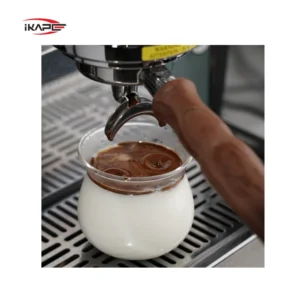
The second key ingredient is steamed milk. A barista uses a steam wand to heat milk while carefully injecting air into it. This process does two things: it heats the milk to an optimal drinking temperature and creates a foam of tiny, silky bubbles known as microfoam. The amount of air injected and how it’s incorporated into the milk is a critical skill that directly impacts the final drink’s texture and taste, which is where the paths of the latte and flat white begin to diverge.
The classic latte: A milky and mild delight
The caffè latte, or simply latte, is perhaps one of the most popular espresso-based drinks in the world. Its defining characteristic is its generous amount of milk. A typical latte starts with a single or double shot of espresso in a large cup or tall glass, which is then filled with a significant volume of steamed milk. This results in a much higher milk-to-espresso ratio, often around 1:3 or even higher. This dilution mutes the intensity of the espresso, making the latte a milder, creamier, and more approachable drink for those who prefer a less coffee-forward taste.
What also sets the latte apart is its foam. A well-made latte is topped with a distinct layer of airy foam, usually about a centimeter thick. This foam sits on top of the steamed milk rather than being fully integrated, creating a layered texture as you drink it. It’s this substantial foam cap that often serves as the canvas for intricate latte art.
The bold flat white: A stronger coffee-forward experience
Originating from Australia or New Zealand (the debate continues), the flat white was designed for coffee lovers who wanted to taste the espresso. The secret to the flat white lies in its much lower milk-to-espresso ratio. It is almost always made with a double shot of espresso (or a ristretto, which is a shorter, more concentrated shot) in a smaller ceramic cup. Less milk is added, creating a drink where the rich, nuanced flavors of the coffee bean are the star of the show.
The milk texture is also fundamentally different. For a flat white, the barista creates a very fine, velvety microfoam that is swirled into the milk. This glossy, paint-like milk is then poured carefully to blend completely with the espresso. The result is a smooth, homogenous texture from top to bottom with only a very thin, “flat” layer of microfoam on the surface. This seamless integration gives the drink a rich mouthfeel without masking the complex notes of the coffee.
A side-by-side comparison: Ratio, texture, and taste
While both drinks are delicious, their construction creates very different sensory experiences. The latte is larger, milkier, and milder, making it a comforting and gentle start to the day. The flat white is smaller, stronger, and more intense, with a velvety texture that highlights the quality of the espresso. Understanding these key distinctions is the best way to choose the perfect drink for your palate. Let’s break it down in a simple table.
| Feature | Caffè Latte | Flat White |
|---|---|---|
| Espresso to Milk Ratio | Low (e.g., 1:3 espresso to milk) | High (e.g., 1:2 espresso to milk) |
| Milk Texture & Foam | Stretchy steamed milk with a distinct, thick layer of foam (~1cm) on top. | Velvety microfoam seamlessly integrated with a very thin layer (~0.5cm) on top. |
| Typical Serving Size | Larger (240ml / 8oz or more) | Smaller (160-180ml / 5.5-6oz) |
| Serving Vessel | Often a tall glass or a wide-mouthed bowl-shaped cup. | Typically a smaller, standard ceramic cup. |
| Flavor Profile | Milky and mild. A balanced, creamy drink where the coffee flavor is softened. | Strong and coffee-forward. A rich drink where the espresso’s flavor is prominent. |
So, the next time you’re pondering the coffee menu, you’ll know exactly what sets the latte and the flat white apart. It’s not just a name, but a deliberate craft centered on the delicate balance between coffee and milk. The latte offers a comforting, milky embrace with a gentle coffee note, served tall and topped with a distinct layer of foam. The flat white, in contrast, provides a more intense, coffee-forward punch in a smaller cup, where velvety microfoam is seamlessly blended with the espresso. Ultimately, the choice is yours. Are you in the mood for a creamy, mild companion or a strong, smooth statement? Now you have the knowledge to order with confidence.





 No products in the cart.
