


The La Pavoni lever espresso machine is an icon of design and a testament to the hands-on art of coffee making. For decades, it has graced kitchens with its striking presence. However, for anyone diving into the world of La Pavoni, a critical distinction quickly emerges: the group head size. The difference between the 49mm and 51mm group heads is more than just two millimeters; it represents a fundamental shift in the machine’s history, design, and user experience. This distinction separates the celebrated “Pre-Millennium” models from the modern “Millennium” machines. Understanding these differences is crucial for any potential buyer or new owner, as it impacts everything from temperature management and shot pulling technique to the availability of accessories. This article will explore the history, technical specifications, and practical implications of this key design evolution.
A historical divide: Pre-millennium vs. millennium
The story of the two group head sizes is the story of La Pavoni’s evolution. For most of its history, the La Pavoni Europiccola and Professional models featured a group head with an internal diameter of 49mm. These machines, produced roughly before the year 2000, are affectionately known by enthusiasts as Pre-Millennium models. They are revered for their robust, all-metal construction, featuring a brass piston that runs directly inside the brass group head assembly. This design is a classic, offering a direct and traditional espresso-making experience.
Around the turn of the century, La Pavoni introduced a significant redesign. The new machines, now known as Millennium models, featured a slightly larger 51mm group head. This change was not merely about size. It was part of a larger engineering effort to address one of the classic La Pavoni’s most notorious quirks: temperature instability. The new design incorporated different materials and internal components aimed at making the machine more user-friendly and forgiving, marking a clear dividing line in the lineage of these famous lever machines.
Beyond diameter: The internal design changes
While the 2mm difference is the most obvious change, the most significant developments are hidden inside the group head. The philosophy behind each design is fundamentally different, directly impacting heat transfer and mechanics.
The 49mm Pre-Millennium group head is a study in simplicity and thermal conductivity. Its brass piston makes direct contact with the brass walls of the group. While beautiful and durable, this brass-on-brass design creates a highly efficient thermal bridge. The entire group head heats up quickly and can easily overheat after just a couple of shots, requiring active temperature management from the barista, often involving a cool, wet towel to bring the group temperature down. This thermal sensitivity is both a challenge and, for some, part of the machine’s charm.
In contrast, the 51mm Millennium group head was engineered to tame this heat. The most crucial change was the introduction of an internal plastic (often referred to as Teflon) sleeve. This sleeve sits between the group head wall and the piston, acting as a thermal break. It insulates the water in the chamber from the large, hot mass of the brass group. Furthermore, the piston itself was changed from brass to plastic. This combination dramatically reduces the tendency of the group to overheat, leading to more stable and repeatable temperatures from shot to shot.
How it affects your daily espresso
The technical differences between the two group heads translate directly into the daily ritual of making espresso. The workflow, the accessories you use, and even the characteristics of the shot itself are influenced by which model you own.
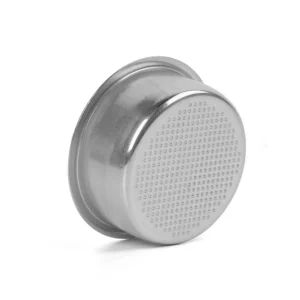
- Accessories and Puck Prep: This is one of the most immediate practical differences. Finding high-quality tampers, filter baskets, and bottomless portafilters for the 49mm group used to be challenging, but a thriving third-party market now caters to this size. The 51mm size is slightly more common in the broader espresso world, offering a decent selection of accessories. The basket geometry also differs; 49mm baskets are deeper and narrower, while 51mm baskets are wider and shallower, which can affect puck preparation and extraction dynamics.
- Shot Volume and Feel: The Millennium piston design generally allows for a slightly larger shot volume compared to its predecessor. The feel of the lever is also different. The plastic sleeve in the 51mm group provides a smoother, lower-friction pull, whereas the 49mm group can have a more direct, mechanical feel.
- Maintenance and Durability: Both designs are built to last for generations. The 49mm all-brass group is exceptionally robust, with the main wear items being simple gaskets. The 51mm group’s plastic sleeve is also a wear item that may need replacement over a long period, though it is a relatively simple maintenance task.
Here is a summary of the key differences:
| Feature | 49mm (Pre-Millennium) | 51mm (Millennium) |
|---|---|---|
| Period | Pre-~2000 | Post-~2000 |
| Piston Material | Brass | Plastic |
| Internal Sleeve | None (brass on brass) | Plastic/Teflon |
| Heat Management | Heats quickly, prone to overheating | More thermally stable, slower to overheat |
| User Experience | Requires more active temperature control | More forgiving and beginner-friendly |
| Common Tamp Size | 49.5mm | 51.5mm |
Making your choice: Tradition vs. convenience
Ultimately, neither group head is objectively “better” than the other; they simply offer two different experiences. The choice between a 49mm and a 51mm La Pavoni comes down to personal preference and what you want from your espresso journey. The 49mm Pre-Millennium machine is for the purist, the enthusiast who enjoys the challenge and ritual. It’s a machine you must learn, understand, and work with. Taming its thermal quirks is a rewarding skill, and its all-metal construction appeals to those who value tradition and durability above all else. When mastered, it is capable of producing truly exceptional, classic espresso.
The 51mm Millennium machine is geared more towards convenience and consistency. It’s the more practical choice for someone who wants the La Pavoni lever experience with a gentler learning curve. Its superior temperature stability makes it easier to pull consecutive shots and achieve consistent results with less fuss. It represents a modernization of the classic design, prioritizing usability without completely sacrificing the hands-on nature of a manual lever machine. It’s an excellent entry point into the world of La Pavoni that still offers immense depth for growth.
In conclusion, the divide between the 49mm and 51mm La Pavoni group heads is a story of evolution. The 49mm Pre-Millennium models represent the classic, untamed tradition of lever espresso, demanding skill and attention from the barista but offering a uniquely rewarding, all-manual experience. In contrast, the 51mm Millennium models, with their internal plastic sleeve and piston, were engineered for a more stable and forgiving workflow, making the iconic La Pavoni experience more accessible. Your choice depends on your priorities: do you seek the romantic challenge of mastering a classic, or do you prefer a more consistent and convenient path to excellent espresso? Whichever path you choose, both machines are capable of producing a sublime cup of coffee and offer a lifetime of enjoyment.