


Unlocking espresso potential: a technical guide for super-automatic machines
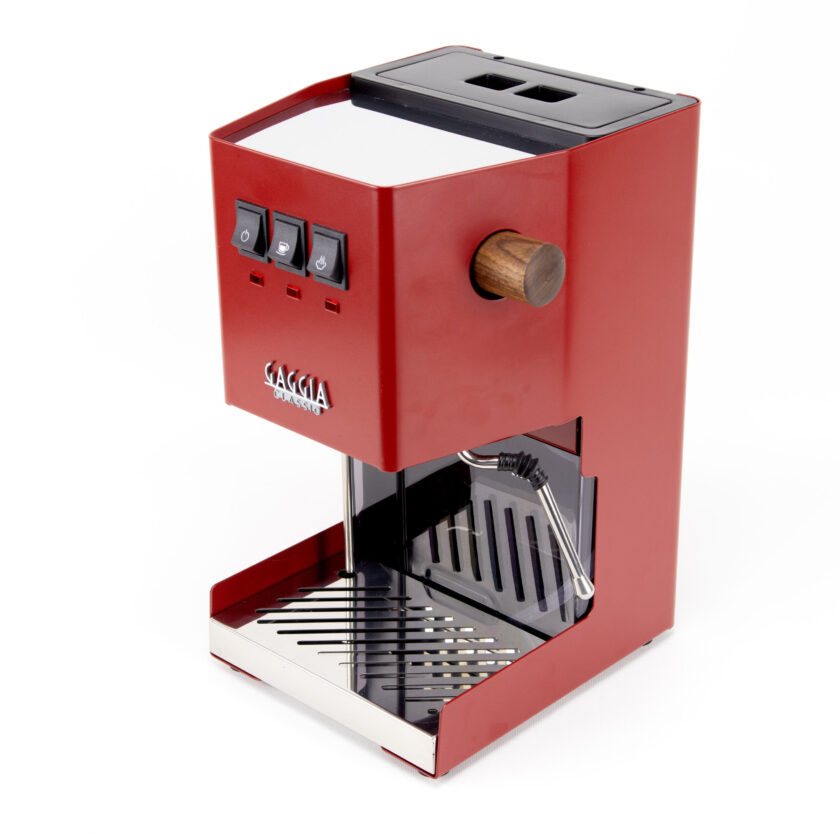
For baristas accustomed to the granular control of manual or semi-automatic espresso machines, the super-automatic platform can feel like a departure from precision. However, machines like the Gaggia Anima are engineered with a surprising degree of customizable parameters. The challenge lies not in a lack of control, but in understanding how to manipulate the available variables within a closed system. This guide is for the experienced user who seeks to apply their knowledge of espresso theory to a super-automatic workflow. By moving beyond default settings and adopting a systematic approach, it is possible to significantly elevate the flavor profile, moving closer to the quality and consistency expected from a manual setup.
Calibrating your input: bean selection and freshness
The single most important factor in any brewing process is the coffee itself. In a super-automatic machine, bean choice is not just about flavor preference; it is also a mechanical consideration. Highly oily, dark-roasted beans can wreak havoc on an internal grinding system. The residue can coat the burrs and clog the chute that transports grounds to the brew unit, leading to inconsistent dosing and potential malfunctions. For this reason, medium or medium-dark roasts are often a more reliable choice. They provide the classic espresso notes of caramel and chocolate without the excessive oils that hinder machine performance.
Freshness is equally critical. Coffee beans that are too fresh (less than 5-7 days post-roast) will contain excessive carbon dioxide, leading to erratic, gassy extractions and a thin body. Conversely, stale coffee lacks the volatile aromatic compounds that create a complex and engaging cup. For a super-automatic machine, aiming for beans that are between one and four weeks from their roast date typically provides the best balance of flavor and mechanical stability.
Dialing in the super-automatic grinder
While a super-automatic machine’s grinder does not offer the stepless, micro-adjustment range of a high-end standalone grinder, it is the primary tool for controlling extraction. The Gaggia Anima, for example, uses a stepped ceramic burr grinder. Adjustments should only be made while the grinder is in operation to prevent the beans from jamming the burrs. The core principle remains the same as with any espresso preparation: grind size dictates the flow rate of water through the coffee puck.
A systematic approach is essential. Start with a medium-coarse setting and brew a shot. If the espresso flows out too quickly (a “gusher”), adjust the setting one step finer. Repeat this process until the flow becomes more restricted, producing a steady, consistent stream. Alongside the grind, most machines offer a dose adjustment, often labeled as “aroma strength” or “Optiaroma.” This setting controls the amount of coffee used for each shot. A larger dose will require a slightly coarser grind, while a smaller dose will require a finer one to achieve a balanced extraction in the same amount of time.
Controlling extraction: temperature and volume parameters
Modern super-automatic machines provide crucial control over both water temperature and beverage volume. These two parameters work in concert with grind and dose to define the final taste profile. Temperature directly affects the solubility of coffee compounds. A lower temperature will favor the extraction of brighter, more acidic notes, while a higher temperature will extract more soluble compounds, enhancing body and sweetness but risking the introduction of bitter flavors if pushed too far.
The general guideline is to use higher temperatures for lighter roasts to ensure adequate extraction and lower temperatures for darker roasts to mitigate bitterness. Below is a simple table to illustrate this relationship.
| Symptom in Taste | Potential Cause | Temperature Adjustment |
|---|---|---|
| Sour, thin, lacking sweetness | Under-extraction | Increase temperature setting (e.g., from Medium to High) |
| Bitter, harsh, astringent | Over-extraction | Decrease temperature setting (e.g., from Medium to Low) |
Volume programming is how you control the brew ratio. Instead of weighing the output like in a manual setup, you program the machine to dispense a specific volume of liquid. To do this accurately, use a scale to weigh the output in grams while programming a custom shot. By knowing your machine’s dose amount (which can be weighed by temporarily disabling the brew unit), you can program the liquid volume to hit a desired ratio, such as 1:2 or 1:2.5 (e.g., 16g dose to 32-40g liquid output).
Understanding the pressurized brewing system
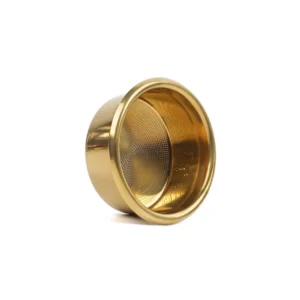
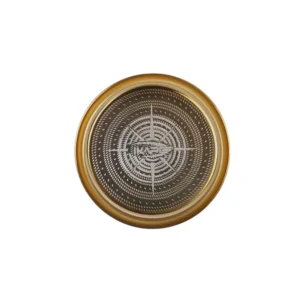
A key difference between super-automatic machines and traditional setups is the brewing mechanism. Super-automatics use a pressurized system, sometimes referred to as a “crema-enhancing” device. Unlike a standard 58mm portafilter basket that relies purely on the fine coffee grounds to create resistance, a pressurized system forces the brewed coffee through a small, restricted opening. This builds pressure artificially, ensuring a consistent flow and producing a thick, stable foam, even if the grind is not perfectly dialed in. This foam is technically distinct from the crema produced by a traditional machine, which is an emulsion of coffee oils and CO2.
While this system is forgiving, it can also mask some of the nuance and clarity of a well-prepared shot. The key is to optimize all other variables—bean freshness, grind, dose, and temperature—to ensure that the coffee entering the pressurized system is as well-extracted as possible. By doing so, you are not relying on the system as a crutch, but rather using it as the final stage in a carefully controlled process.
Conclusion
Transitioning from a manual to a super-automatic espresso machine does not have to mean sacrificing quality. While the interface is different, the underlying principles of espresso extraction remain unchanged. By methodically addressing each variable, from the selection of non-oily, fresh beans to the precise calibration of grind, dose, temperature, and volume, the user can exert significant influence over the final flavor profile. The Gaggia Anima and similar machines are capable of producing genuinely excellent espresso when their parameters are understood and deliberately controlled. The goal is to master the system’s logic, making intentional adjustments to guide the extraction toward a balanced and satisfying result. For those looking to refine their process, quality tools and accessories available from retailers like papelespresso.com can further enhance consistency in any coffee preparation workflow.