






Exploring steam temperature targets for better microfoam
For the experienced home barista, achieving consistently silky microfoam is a mark of skill and a critical component of high-quality milk-based espresso drinks. While much attention is given to technique—wand position, pitcher angle, and milk stretching—the temperature and quality of the steam itself are often overlooked variables. Understanding the thermodynamics of steam is not merely an academic exercise; it provides a deeper level of control over the texturing process. For users of manual and prosumer machines, where steam pressure can fluctuate, mastering this element is key to elevating latte art and drink texture from good to exceptional. This article explores the technical relationship between steam temperature and microfoam quality, offering practical insights for those seeking precision.
The physics of steam and milk
Steam is the gaseous phase of water, and its properties are defined by temperature and pressure. In an espresso machine boiler, water is heated past its boiling point, creating pressurized steam. The “drier” the steam, the higher its temperature relative to its pressure, meaning it contains less condensed water vapor. This is a crucial factor in milk texturing. Wet steam, which has a higher water content, can quickly dilute the milk, making it difficult to achieve the stable, glossy microfoam needed for latte art. It adds water without adding enough heat and velocity to create a proper vortex, resulting in a thin, watery texture. Conversely, dry steam transfers heat efficiently and forcefully, enabling the barista to stretch and fold milk proteins into a stable, homogenous foam.
Optimal temperature for milk protein denaturation
The ideal microfoam is created when milk proteins, primarily casein and whey, are denatured by heat and integrated with air. This process begins around 50°C (122°F) and becomes most effective between 55–65°C (131–149°F). In this range, the proteins unfold and form stable structures around the air bubbles, creating a smooth, velvety texture. If the milk is heated beyond 70°C (158°F), these protein structures begin to break down, resulting in a thinner, less stable foam with larger bubbles. The sweetness of the milk also diminishes as the lactose begins to caramelize at higher temperatures. Therefore, the goal is to introduce steam in a controlled manner that heats the milk to this target window without overshooting it, ensuring both optimal texture and flavor.
Impact of steam wand and tip design
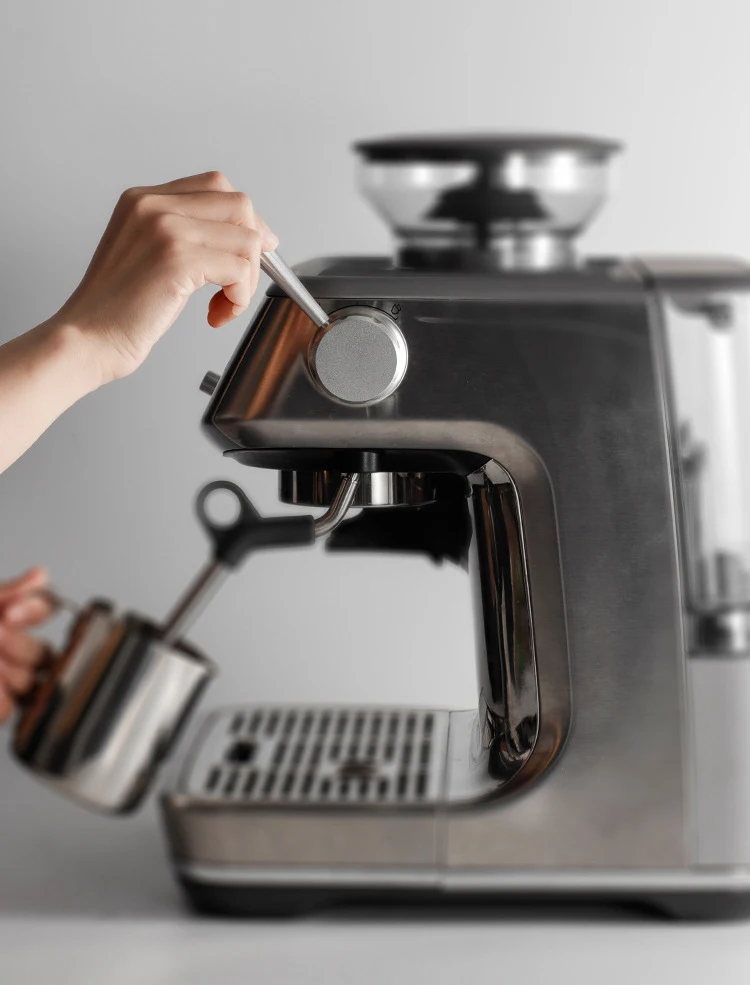
The design of the steam wand and its tip plays a significant role in how steam is delivered into the milk. The number, size, and angle of the holes in the steam tip determine the velocity and dispersion pattern of the steam. A well-designed tip creates a powerful, focused jet that can establish a strong vortex in the pitcher. This whirlpool motion is essential for incorporating air evenly and breaking down larger bubbles into a uniform microfoam. A weak or poorly directed vortex will result in stratification, with a thick layer of stiff foam sitting on top of hot milk. The material and thermal mass of the wand itself can also influence the steam’s dryness, as a hotter wand is less likely to cause condensation before the steam exits the tip.
Controlling steam for consistency
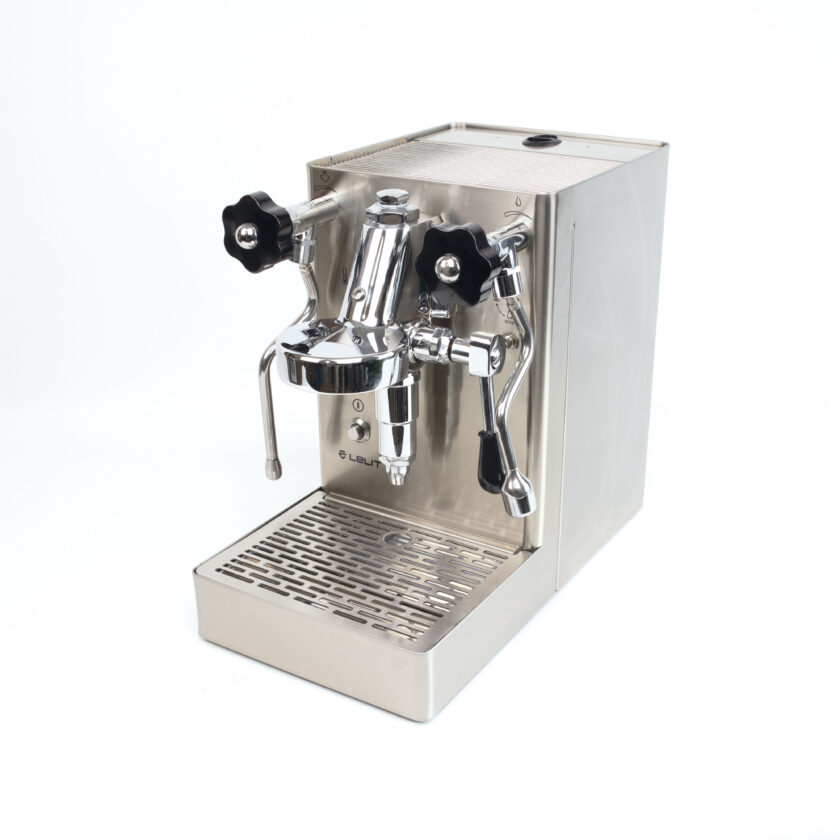
On many manual and semi-automatic machines, steam pressure is not always constant. It can drop during and after pulling a shot, affecting the power available for steaming. To achieve consistent results, it is vital to develop a routine. Purging the steam wand before use is a critical first step; this clears any condensed water from the wand and ensures that the initial blast is as dry as possible. Monitoring the boiler pressure gauge, if available, allows the barista to start steaming at a consistent pressure point every time. For machines with adjustable pressurestats or PIDs, experimenting with small changes can reveal the optimal setting for creating dry, powerful steam. The goal is to find a repeatable workflow that minimizes variables and allows technique to be the primary focus.
Conclusion
Mastering microfoam is a subtle art that extends beyond mere technique. A technical understanding of steam temperature and pressure provides the foundation for consistent, high-quality results. By focusing on the dryness of the steam, targeting the optimal temperature range for milk protein denaturation, and understanding how equipment design influences heat transfer, the home barista can gain greater control over the final texture and flavor of their beverages. Achieving this level of precision requires practice and attention to detail, but the reward is a cafe-quality experience at home. For those looking to refine their setup, various tools and accessories that support consistency in the espresso workflow are available from retailers like papelespresso.com.