

Starting temperature: The case for cold vs. warm water in a cezve
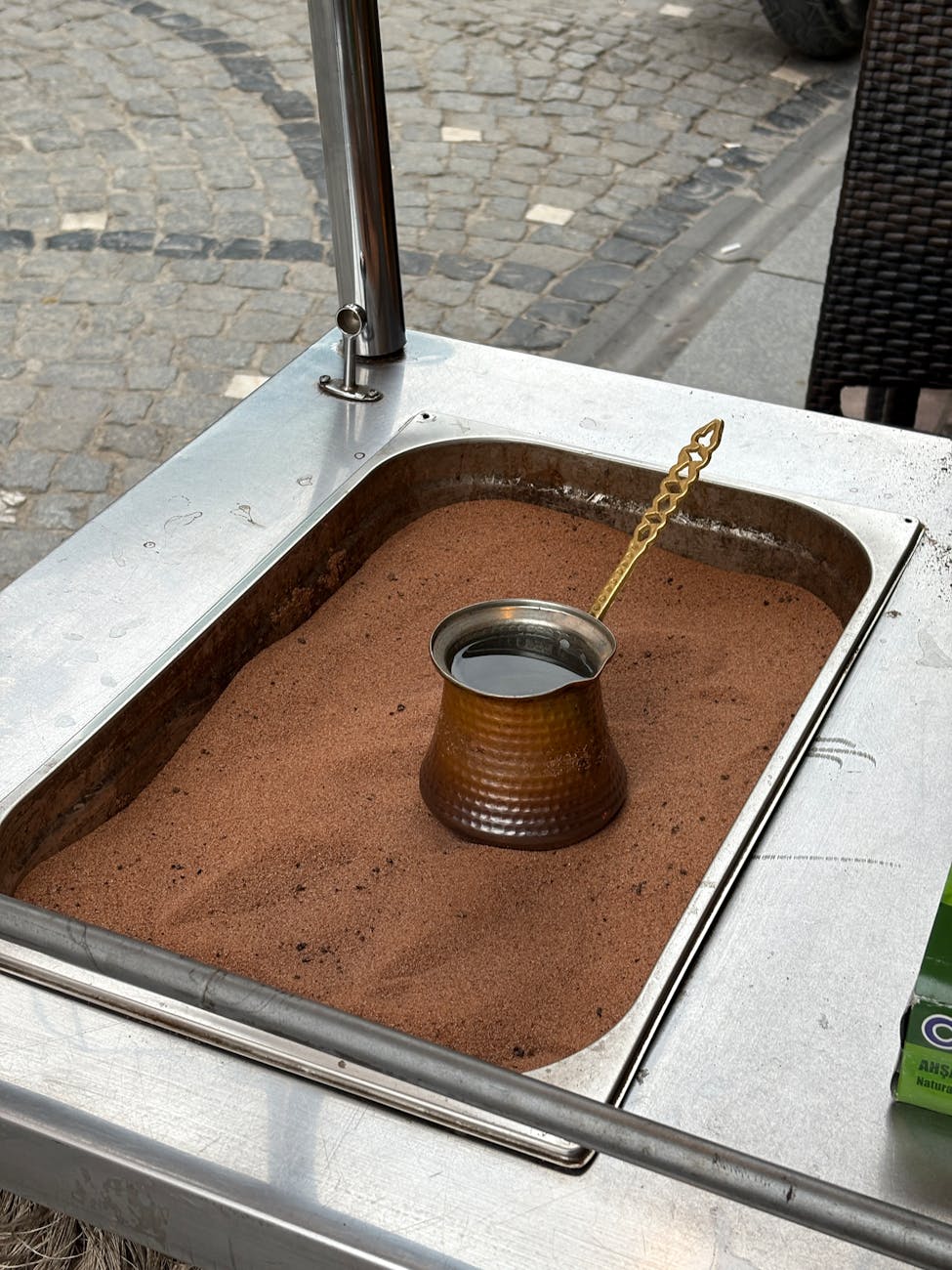
The art of brewing Turkish coffee in a cezve (or ibrik) is steeped in tradition, a ritual perfected over centuries. Every detail, from the fineness of the grind to the type of sugar used, is a variable that shapes the final cup. Yet, one of the most debated and fundamental questions among enthusiasts and traditionalists alike is deceptively simple: should you start with cold or warm water? This seemingly minor choice can significantly impact the entire brewing process, influencing everything from the richness of the foam, known as kaymak, to the complexity of the flavor profile. In this article, we will delve into this debate, exploring the science and tradition behind both methods to help you decide which approach is right for your perfect cup of Turkish coffee.
The traditional argument for cold water
For generations, the standard practice for brewing authentic Turkish coffee has been to start with cold, fresh water. This method is not just about tradition; it is rooted in the pursuit of a slow, controlled extraction. When you combine the powder-fine coffee grounds with cold water and place the cezve over a low heat, you initiate a gradual brewing process. This slow rise in temperature allows the coffee grounds to become fully saturated before the extraction process truly begins.
This prolonged contact time is crucial for two reasons. First, it encourages a more thorough and complex extraction of flavors and aromatic oils from the coffee, leading to a richer, more full-bodied brew. Second, and perhaps most importantly for traditionalists, it is the key to creating a thick, creamy, and persistent kaymak. The slow heating process allows the gases released from the coffee to be gently trapped in the liquid, forming a stable foam on the surface. Rushing this process with hot water can disrupt the foam’s formation, resulting in a thin or non-existent kaymak, which is often considered the hallmark of a well-made Turkish coffee.
The modern case for warm water
While tradition champions cold water, a growing number of modern baristas and coffee connoisseurs are making a compelling case for starting with warm water. This approach is less about ritual and more about precision and controlling variables to avoid a common pitfall of cezve brewing: over-extraction. When coffee grounds are exposed to heat for too long, they begin to release undesirable bitter and astringent compounds. Starting with warm (not boiling) water significantly shortens the total time the cezve spends on the heat source.
By reducing the overall brew time, you can effectively minimize the risk of extracting those harsh, muddy flavors. This technique allows the brewer to highlight the coffee’s brighter, more delicate notes, such as its inherent acidity and sweetness. Proponents of this method argue that a beautiful kaymak can still be achieved with careful heat management and technique. The key is to bring the coffee to the point of foaming without letting it boil over, a skill that is independent of the initial water temperature. This method is often favored when working with high-quality, single-origin beans where preserving nuanced flavors is the top priority.
How temperature impacts extraction and flavor
The choice between cold and warm water fundamentally alters the coffee extraction dynamic. Coffee extraction is the process of dissolving soluble compounds from the coffee grounds into water, and different compounds extract at different rates and temperatures. Understanding this helps clarify why each method yields a different result.
- Cold Water Start: This method creates a longer brewing cycle. The journey from cold to near-boiling is a slow one, meaning the coffee grounds spend more time in the water. This extended duration allows for a deep, comprehensive extraction, pulling out a wide spectrum of flavors, from bright acids to deep, rich oils and sugars. The risk, however, is that this long exposure can easily tip into over-extraction, pulling out an excess of bitter-tasting chlorogenic acids and caffeine, resulting in a harsh finish.
- Warm Water Start: This method creates a much shorter brewing cycle. By starting closer to the ideal extraction temperature, you get a quick, efficient extraction. This tends to favor the compounds that dissolve more easily, such as fruity and floral acids. It is an excellent way to prevent bitterness, but it carries the risk of under-extraction. If the brew time is too short, you may fail to extract enough of the sugars and oils that provide body and balance, resulting in a cup that tastes thin, sour, or underdeveloped.
Ultimately, neither method is inherently superior; they are simply different tools to achieve a desired flavor profile.
| Feature | Cold Water Method | Warm Water Method |
|---|---|---|
| Brew Time | Longer (3-5 minutes) | Shorter (1-2 minutes) |
| Kaymak (Foam) | Typically thicker and more stable | Can be excellent, but requires more skill |
| Flavor Profile | Full-bodied, rich, complex, balanced | Brighter, highlights acidity, cleaner |
| Primary Risk | Over-extraction (bitterness) | Under-extraction (sourness, thin body) |
| Best For | Traditional experience, dark roasts | Highlighting single-origin beans, speed |
Conclusion: Finding your ideal starting point
The debate between starting with cold or warm water in a cezve is a classic clash of tradition versus modern precision. As we’ve seen, both methods have strong justifications. The traditional cold-water approach champions a slow, methodical brew that aims for maximum flavor complexity and the development of a perfect, thick kaymak. In contrast, the modern warm-water technique prioritizes control and speed, seeking to avoid the bitterness of over-extraction and highlight the coffee’s more delicate, bright notes. There is no single “correct” answer. The best method depends entirely on your coffee beans, your equipment, and, most importantly, your personal taste. We encourage you to experiment. Try both techniques with the same coffee and see which result you prefer. The journey of perfecting your brew is the true essence of the cezve experience.

 No products in the cart.