
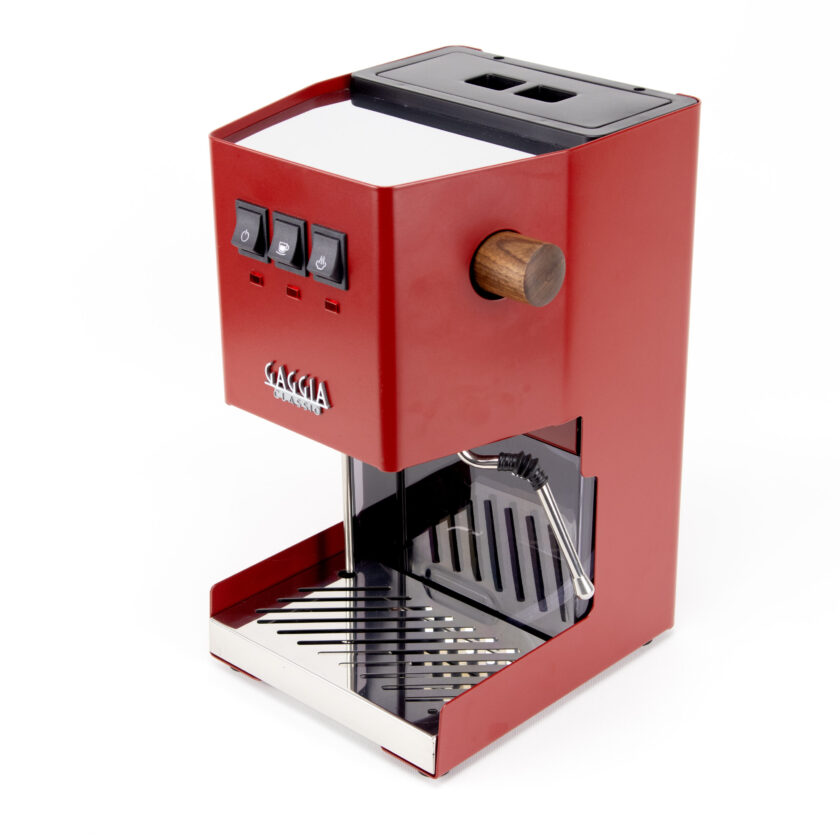
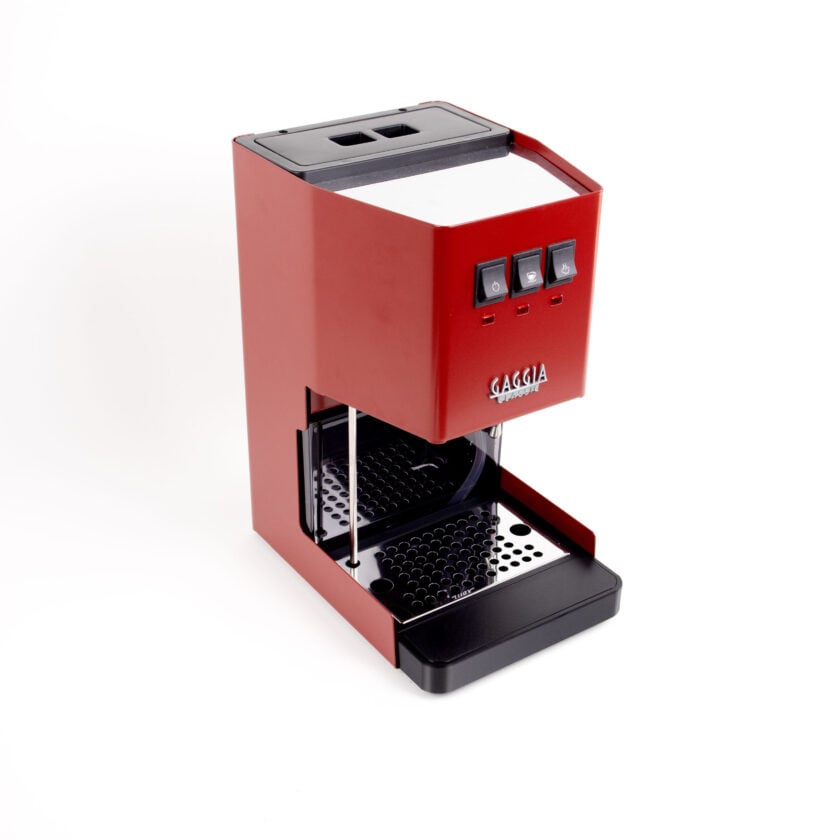




The Gaggia Classic is a legend in the world of home espresso. For decades, it has served as the gateway for countless enthusiasts, offering a robust platform for learning the craft of pulling a perfect shot. Its timeless design and powerful performance have cemented its place in kitchens worldwide. However, this beloved machine has one well-known Achilles’ heel: a frustrating lack of clearance between the portafilter and the stock drip tray. This single design choice can hinder your workflow, limit your choice of cups, and make precision brewing a real challenge. In this article, we’ll explore why this clearance issue is more than a minor annoyance and how a simple, elegant upgrade—the slim drip tray—is the key to unlocking your Gaggia Classic’s true potential.
The classic conundrum: Understanding the Gaggia’s space limitationIf you own a Gaggia Classic, particularly a Pro or Evo model, you’ve undoubtedly experienced “the squeeze.” You find a beautiful new coffee mug only to realize it won’t fit under the portafilter. More importantly, you decide to elevate your espresso game by using a digital scale to measure your shot, but there’s simply no room for both the scale and a cup. This isn’t just an inconvenience; it’s a direct barrier to making better, more consistent espresso.
The standard Gaggia Classic drip tray leaves you with roughly 8.5 cm (about 3.3 inches) of vertical space. Once you place a standard espresso cup on it, there is virtually no room left for a scale. Why does this matter? Consistency in espresso is all about precision. The ability to follow a recipe, known as a brew ratio (e.g., 18 grams of coffee in, 36 grams of liquid espresso out), requires you to weigh your output in real-time. Without a scale, you are essentially guessing, leading to shots that can be wildly different from one day to the next. The stock design forces you to choose between using your favorite mug or brewing with precision, a compromise no coffee lover should have to make.
The slim drip tray solution: More than just extra spaceEnter the slim drip tray. This simple but transformative modification directly addresses the Gaggia’s primary design flaw. By replacing the bulky, tall stock tray with a lower-profile version, you immediately gain a significant amount of valuable vertical real estate. Most slim drip trays add between 2 to 3.5 cm (0.8 to 1.4 inches) of extra clearance, which completely changes the usability of the machine. Suddenly, the frustrating limitations disappear.
This newfound space is the gateway to a modern espresso workflow. You can now comfortably place a digital scale on the tray, put your cup on top of it, and still have plenty of room to lock in the portafilter. This allows you to:
- Weigh your shots accurately: Hit your target brew ratio every single time for consistent and repeatable results.
- Use a wider variety of cups: Your favorite cappuccino or latte mugs will likely now fit directly under the portafilter. No more brewing into a shot glass and transferring.
- Monitor your flow rate: Watching the weight increase on the scale in real-time gives you valuable feedback on the quality of your puck preparation and grind size.
Once you decide to upgrade, you’ll find a vibrant market of options created by third-party manufacturers and individual makers. The right choice for you depends on your budget, aesthetic preferences, and workflow needs. The most common options are made from either 3D-printed plastics or stainless steel.
3D-printed trays, often made from durable and heat-resistant materials like PETG or ABS, are a popular and cost-effective choice. They come in various colors and innovative designs, with some even featuring integrated cutouts for popular scales like the Acaia Lunar or Timemore Black Mirror. Stainless steel options offer a more premium look and feel, perfectly matching the Gaggia’s industrial aesthetic. They are incredibly durable and easy to clean but typically come at a higher price point.
Here’s a simple breakdown to help you decide:
| Material | Pros | Cons | Average Price |
|---|---|---|---|
| 3D Printed (PETG/ABS) | Affordable, lightweight, variety of designs and colors, potential for custom features (e.g., scale cutouts). | Can feel less premium, may be more prone to scratching over time. | $25 – $50 |
| Stainless Steel | Extremely durable, premium aesthetic that matches the machine, easy to clean and sanitize. | More expensive, fewer design variations available. | $60 – $100+ |
Upgrading to a slim drip tray is one of the easiest modifications you can perform on your Gaggia Classic. In most cases, it’s a simple drop-in replacement. You just lift out the old tray and slide the new one into place. However, there is one small adjustment you might need to make. The Gaggia’s three-way solenoid valve drains excess water through a small black rubber tube that extends into the drip tray. Because a slim tray is shorter, this tube may be too long and prevent the tray from sitting flush.
The solution is simple: trim about half an inch off the end of the tube with a pair of scissors. This is a quick, safe, and completely reversible modification (you can always buy a new tube for a few dollars if you wish to revert). The primary trade-off with any slim tray is reduced water capacity. You will need to empty it more frequently than the stock tray. This is a minor price to pay for the massive improvement in workflow and is a habit that quickly becomes second nature.
For the Gaggia Classic owner who is serious about their coffee, the stock drip tray is a bottleneck that actively works against the goal of brewing great espresso. It limits your tools, your choice of cups, and ultimately, your ability to achieve consistency. A slim drip tray is not a luxury; it is the most impactful, cost-effective upgrade you can make. By providing the crucial clearance needed to incorporate a scale into your workflow, it fundamentally transforms the machine’s usability. This small investment bridges the gap between the Gaggia’s raw potential and your ability to harness it fully. If you want to move beyond guesswork and start brewing with precision, upgrading to a slim drip tray is the essential first step on your journey to espresso perfection.


Unlocking potential: The benefits of a slim drip tray
Swapping the bulky stock tray for a low-profile, slim drip tray is arguably the most impactful modification you can make to your Gaggia Classic. This simple change directly addresses the clearance issue and provides a cascade of benefits that elevate your entire brewing experience.
- Accommodate a scale: This is the number one reason to upgrade. A slim drip tray instantly creates the necessary vertical space to place a digital coffee scale and your cup under the portafilter. You can finally monitor your shot’s weight in real-time, allowing you to hit your desired brew ratio (e.g., 1:2, or 18 grams of coffee in, 36 grams of espresso out) with precision every single time. This control is the key to moving from inconsistent shots to consistently amazing espresso.
- Use your favorite mug: Say goodbye to the awkward shot-glass-transfer routine. With the extra clearance, you can now brew directly into a much wider variety of cups and mugs. It’s a quality-of-life improvement that simplifies your morning and keeps your coffee hotter.
- Improved aesthetics and workflow: Many aftermarket slim drip trays are designed with both form and function in mind. They often look sleeker and more modern than the stock tray, giving your machine a custom, premium appearance. The improved workflow, free from the constraints of the old setup, makes the process of making coffee more enjoyable and efficient.
Installation and care for your new tray
One of the best parts of this upgrade is its simplicity. Installation requires no tools and takes less than ten seconds. You simply slide the old, two-piece stock drip tray out and slide your new, single-piece slim drip tray in. It’s a perfect fit that immediately enhances the machine’s usability.
However, you need to be mindful of its reduced capacity. Because the tray is shallower, it will fill up much faster with water from the pressure release valve and any pre-shot flushes. It’s good practice to get into the habit of emptying your slim drip tray after every two or three sessions to prevent overflows. For cleaning, always follow the manufacturer’s recommendations. While stainless steel trays are generally dishwasher safe, most 3D-printed trays should be hand-washed with warm, soapy water to avoid the risk of warping from high heat.
In conclusion, while the Gaggia Classic is a powerhouse of a machine, its stock drip tray is a significant bottleneck. It restricts you from using the tools, like a digital scale, that are essential for mastering espresso. By investing in a slim drip tray, you are not just buying an accessory; you are fundamentally upgrading your machine’s capability and your entire workflow. The ability to brew by weight, fit larger mugs, and enjoy a cleaner process makes it one of the most cost-effective and transformative modifications any Gaggia owner can make. It’s a small change that removes the machine’s biggest frustration and empowers you to pull consistent, delicious shots of espresso day after day.