Why your first espresso is bad: A guide to pre-heating the group head
That first sip of espresso in the morning should be a moment of pure bliss, but for many home baristas, it’s a daily disappointment. You follow your recipe perfectly, use fresh beans, and have your technique dialed in, yet the first shot is invariably sour, thin, and underwhelming. The culprit is almost always a cold espresso machine, specifically the group head. This massive piece of metal is a heat thief, robbing your brew water of the thermal energy needed for a proper extraction. This guide will delve into why pre-heating is non-negotiable for quality espresso, exploring the science behind temperature stability and providing actionable best practices to ensure your first shot of the day is as delicious as your last.
The science of a cold group head
To understand why a cold group head is so detrimental, we must first appreciate the role of temperature in espresso extraction. Brewing espresso is a delicate dance of pressure, time, and temperature. Water heated to a precise range, typically between 90-96°C (195-205°F), is required to dissolve the desirable flavor compounds from the coffee grounds. If the water is too cold, it will fail to extract these compounds effectively, a phenomenon known as under-extraction.
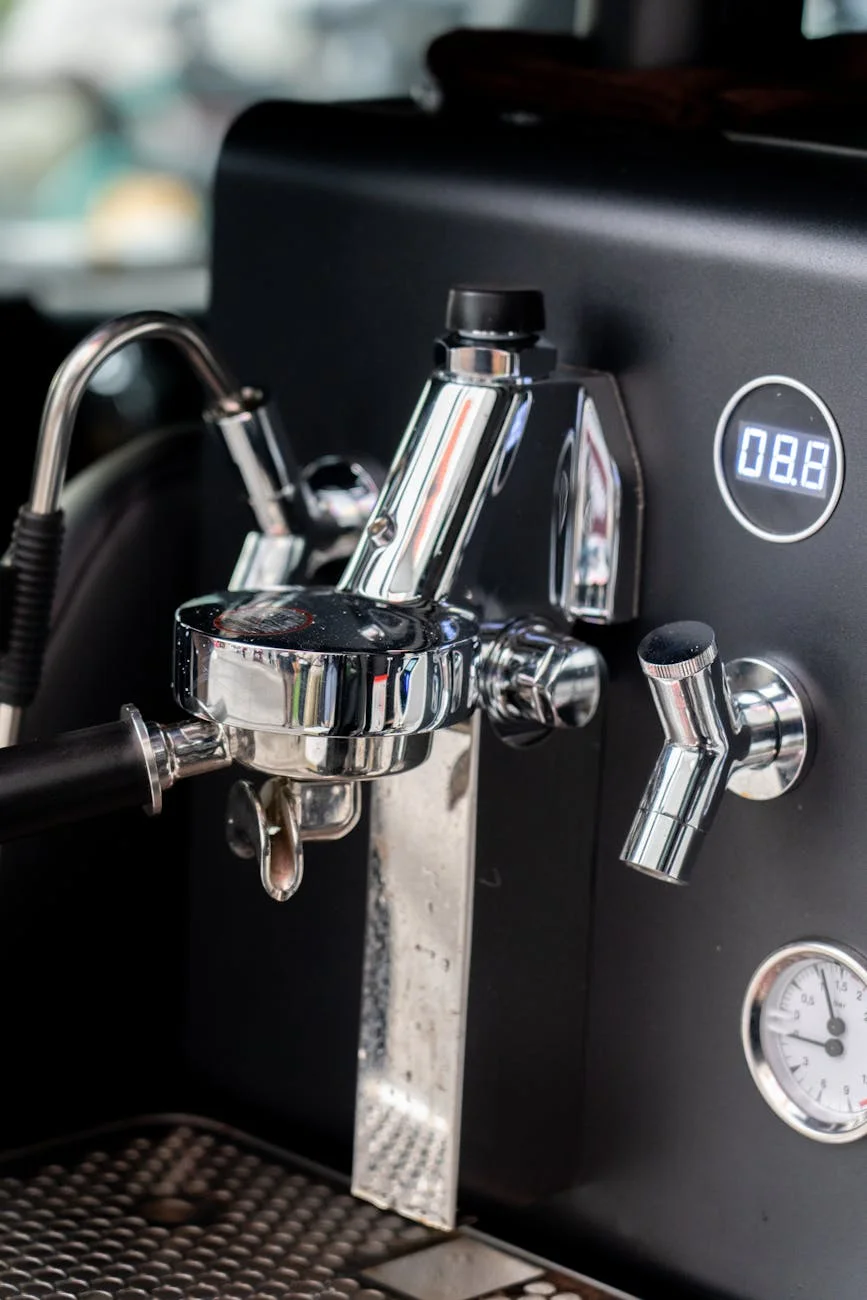
Your espresso machine’s boiler may be at the perfect temperature, but the group head, that heavy brass or stainless steel component you lock your portafilter into, acts as a massive heat sink. When you initiate the shot, the hot water leaves the boiler and travels through the group head. If the group head is cold, it instantly leeches heat from the water. A drop of just a few degrees is enough to turn a potentially sweet and balanced shot into a sour, acidic mess. The first shot of the day is the most susceptible because the machine has been off all night, and the ambient temperature has cooled every component to room temperature.
Why just turning on your machine is not enough
A common piece of advice is to turn your machine on 20-30 minutes before you plan to brew. While this is a good start, it’s often insufficient for achieving true thermal stability. The internal boiler will likely reach its target temperature within this timeframe, and the machine’s pressure gauge might indicate it’s ready. However, the external group head, especially large, exposed designs like the popular E61, heats up much more slowly through passive heat transfer.
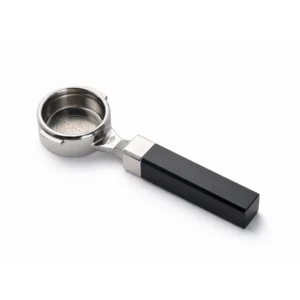
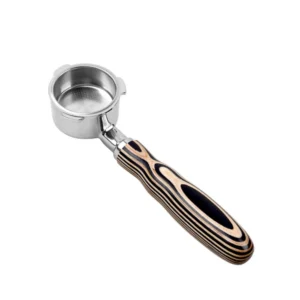
Furthermore, many users forget an equally important component: the portafilter. A heavy, brass portafilter left on the counter is another major heat sink. Locking a cold portafilter filled with coffee into a hot group head will create a dramatic temperature drop right at the point of extraction. The water will hit the cold metal and the room-temperature coffee puck, losing critical energy before it can do its job. This is why even after a 30-minute warm-up, that first shot can still be disappointing. A truly ready machine is one where every component in the brew path is fully heated.
Best practices for a perfectly heated first shot
Achieving a perfectly pre-heated machine doesn’t have to be complicated. It simply requires a more active approach than just flipping a switch and waiting. By incorporating these practices into your morning routine, you can eliminate the dreaded “sink shot.”
- Lock in your portafilter immediately. As soon as you turn your machine on, lock your chosen portafilter into the group head. This ensures it heats up along with the machine, creating a thermally stable environment from the start.
- Extend the passive wait time. For many prosumer machines, especially those with E61 groups, a 20-minute wait is simply not enough. Aim for a 40-45 minute warm-up period to allow heat to fully saturate the heavy metal components. Using a smart plug to automatically turn your machine on before you wake up is a game-changer for this method.
- Perform warming flushes. This is the most effective way to accelerate the process. A warming flush involves running water through the group head without any coffee. Do this with the portafilter locked in. Run a few “blank shots” of 5-10 seconds each, with a minute or so in between, right before you prepare your first real shot. You can often feel the portafilter handle getting noticeably warmer as you do this, which is a great sign that you’re ready to go.
The ideal routine is a combination of these methods: a sufficient passive wait with the portafilter locked in, followed by one or two warming flushes to bring everything to the final, stable temperature right before you pull your shot.
Comparing pre-heating techniques
Different methods offer a trade-off between time and effectiveness. Depending on your machine type and your morning schedule, you can choose the approach that works best for you. Saturated group heads, which are integrated directly with the brew boiler, heat up much faster and more evenly than E61 groups, which rely on a thermosyphon system. The table below compares the most common techniques.
| Method | Time Required | Effectiveness | Best For |
|---|---|---|---|
| Passive Wait (No Flush) | 30-60+ minutes | Moderate to High | Users with smart plugs or predictable schedules who want a hands-off approach. Effectiveness is highly dependent on machine type. |
| Active Flushes Only | 5-10 minutes | Moderate | Users in a hurry. Can get the machine usable quickly but may not achieve perfect thermal stability for the entire group mass. |
| Combined (Wait + Flush) | 30-45 minutes | Excellent | Anyone seeking the most consistent and best-tasting results from the very first shot. This is the gold standard. |
Conclusion: Consistency from the first pull
The frustration of a sour first espresso is a shared experience, but it doesn’t have to be your reality. The solution lies in understanding that your espresso machine is more than just a boiler; it’s a complete thermal system. The group head and portafilter are critical components that must be thoroughly pre-heated to ensure the brew water arrives at the coffee grounds at the correct temperature. Simply turning the machine on is rarely enough. By adopting a more intentional warm-up routine—extending the wait time, keeping the portafilter locked in, and performing active warming flushes—you take control of the most important variable in espresso extraction. This small investment of time and effort pays huge dividends, transforming that first shot from a daily gamble into a consistently delicious start to your day.