

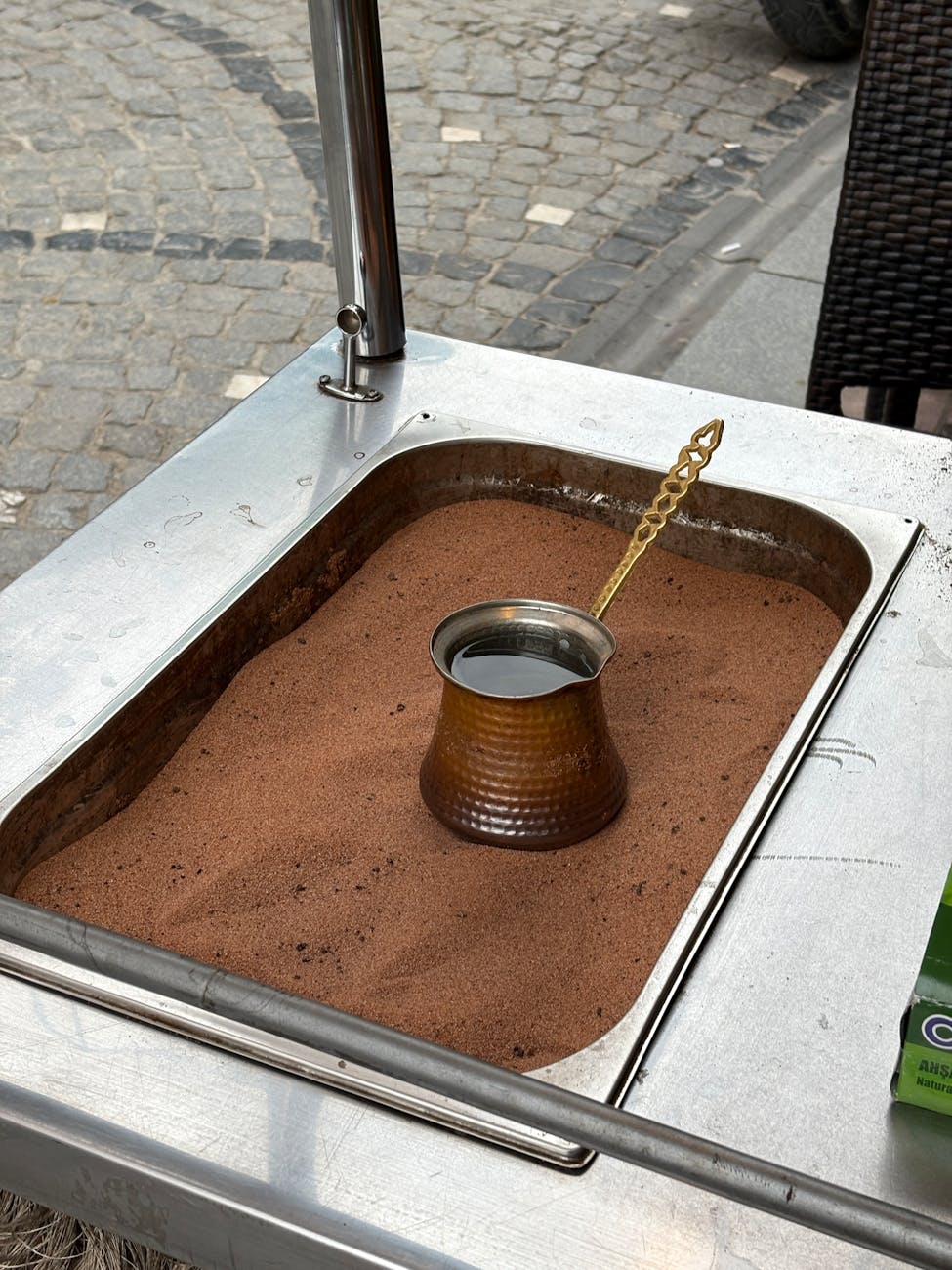
The rich aroma, thick foam, and intense flavor of Turkish coffee offer a unique sensory experience. Brewed in a special pot called a cezve or ibrik, this unfiltered coffee is a celebrated ritual. However, for many newcomers, the final sips can be a gritty surprise due to the fine coffee grounds that settle at the bottom of the cup. While this sediment is an intentional and integral part of the traditional brew, managing it is key to full enjoyment. This article delves into the practical techniques used by connoisseurs to minimize grounds in each sip. We will explore everything from the foundational brewing principles to the subtle art of pouring, ensuring your next cup of Turkish coffee is smooth from start to finish.
Understanding the ‘why’ behind Turkish coffee sediment
Before we can manage the sediment, it’s crucial to understand why it’s there in the first place. Unlike drip or French press coffee, Turkish coffee is not filtered. The beans are ground to a superfine, powder-like consistency, even finer than espresso. This powder is then boiled with water and sugar (if desired) directly in the cezve. This direct-contact brewing method is responsible for the coffee’s characteristically thick, viscous body and robust flavor profile. The grounds are never separated from the liquid.
Therefore, the sediment isn’t a brewing flaw; it’s a fundamental feature. The goal is not to eliminate it entirely, as that would fundamentally change the nature of the coffee. Instead, the aim is to control it, allowing the grounds to settle completely so you can enjoy the liquid portion on top without getting a mouthful of grit. The techniques that follow are all designed to perfect this separation process within the cup and pot.
Mastering the settling process before you pour
The most critical step in managing sediment happens before the coffee even leaves the cezve. Patience is your greatest tool here. Once you remove the coffee from the heat after it has foamed up, resist the urge to pour it immediately. Instead, let the cezve sit undisturbed on a countertop for at least 30 to 60 seconds. This brief resting period is vital, as it gives the heavier coffee particles time to begin their descent to the bottom of the pot through simple gravity.
For an even more effective separation, you can use a classic trick. After the resting period, add a very small amount of cold water—a few drops or a teaspoon at most—to the cezve. This slightly cooler water helps to accelerate the settling process, causing the suspended grounds to sink more rapidly. Avoid stirring or agitating the pot in any way during this time, as that will undo all your work and send the grounds swirling back into the liquid.
The art of the perfect, gentle pour
How you transfer the coffee from the cezve to the cup is just as important as the brewing itself. A rushed or sloppy pour will agitate the settled grounds and transfer them directly into your cup. The perfect pour is slow, deliberate, and controlled.
Follow these steps for a cleaner cup:
- Hold the cup at a slight angle.
- Bring the spout of the cezve very close to the lip of the cup. This minimizes the distance the coffee has to fall, reducing turbulence.
- Begin pouring in a single, slow, and steady stream. Do not stop and start. The goal is to gently decant the liquid coffee off the top of the settled grounds.
- As the cezve becomes emptier, pour even more slowly. Pay close attention to the liquid.
- Stop pouring before you reach the very bottom. Leave the last bit of thick, sludgy coffee behind in the pot. Sacrificing a little coffee is worth avoiding a gritty cup.
This technique requires a bit of practice, but once mastered, it is the single most effective way to keep the vast majority of sediment out of your cup.
Grind consistency and other considerations
While technique is paramount, the equipment and ingredients you use also play a role. The grind size is especially important. Turkish coffee requires a powdery, flour-like consistency that is difficult to achieve with standard home grinders. A blade grinder is unsuitable as it creates inconsistent particle sizes. A high-quality burr grinder capable of a true Turkish setting is essential. An inconsistent grind with larger particles will not settle as effectively and can create a muddy texture throughout the drink.
Some sources might suggest using a slightly coarser grind to reduce sediment, but this is a trade-off. Doing so will compromise the authentic body, flavor extraction, and rich foam (kaimaki) that Turkish coffee is known for. Sticking to the traditional, powder-fine grind and focusing on your settling and pouring technique is the best approach for an authentic and smooth experience.
| Technique | Effectiveness in Reducing Sediment | Impact on Authenticity | Notes |
|---|---|---|---|
| Letting it rest | High | Essential part of the process | The easiest and most crucial step. Requires 30-60 seconds. |
| Slow, gentle pour | Very High | The hallmark of a skilled preparer | Requires practice to perfect. Stop before the sludge. |
| Cold water drop | Medium | A common traditional trick | Helps speed up settling, but don’t add too much. |
| Using a coarser grind | Medium | Compromises flavor and body | Not recommended for those seeking an authentic experience. |
Ultimately, enjoying Turkish coffee means embracing its unique unfiltered nature. The fine sediment at the bottom of the cup, often used for fortune-telling, is part of a rich cultural tradition. By understanding its purpose and mastering a few key techniques, you can easily manage it for a more pleasant drinking experience. The process begins with patience, allowing the grounds to settle in the cezve after brewing. This is followed by a slow, deliberate pour that leaves the thickest sludge behind. Combined with the correct, powder-fine grind, these methods ensure you receive all the rich flavor and body of this ancient brew, without the grit. It’s a rewarding ritual that transforms a simple cup of coffee into a moment of mindful enjoyment.


 No products in the cart.