

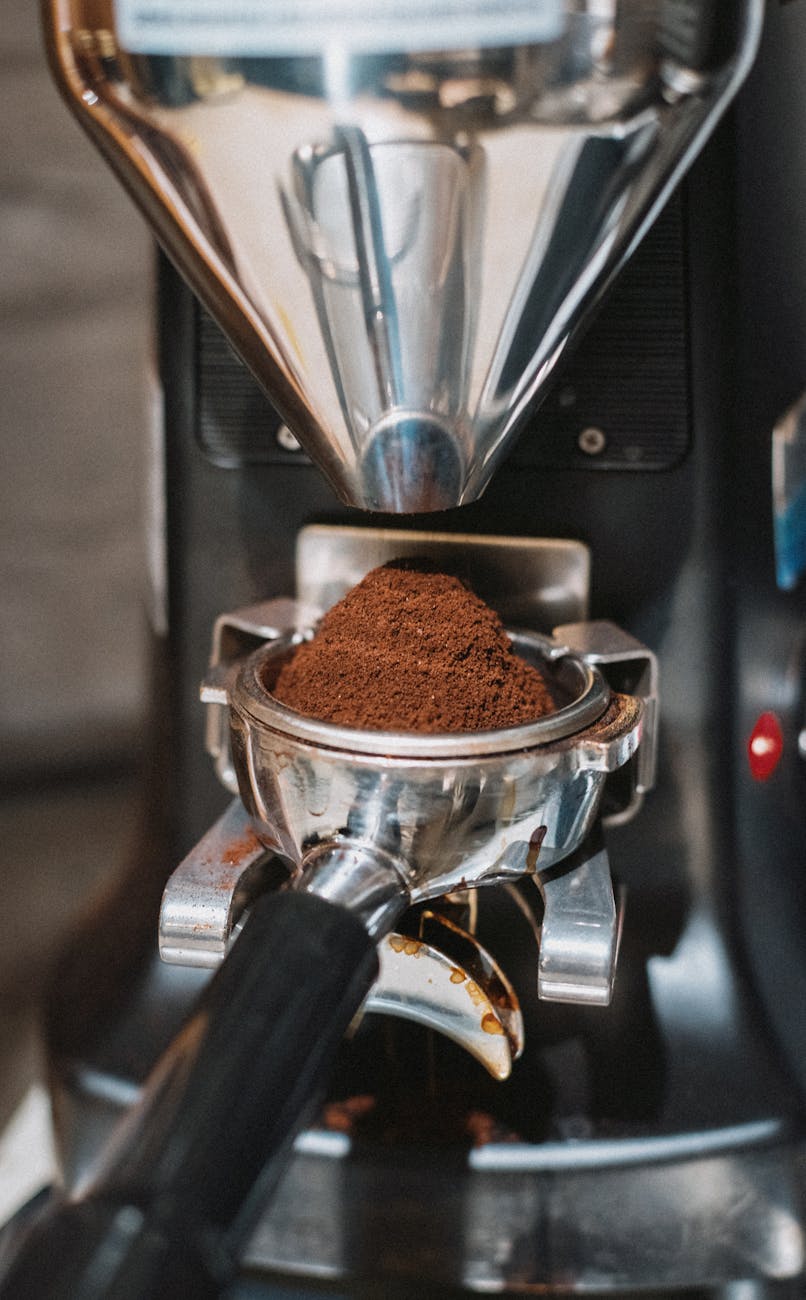
The pursuit of the perfect espresso shot is a journey of a thousand tiny variables. From water temperature to tamping pressure, every detail matters. One often-overlooked yet critical factor happens right inside your grinder: popcorning. This phenomenon, where coffee beans erratically jump and bounce in the grinder’s chamber, is more than just a noisy annoyance. It’s a direct assault on grind consistency, the very foundation of a balanced extraction. When beans fail to feed smoothly into the burrs, the resulting particle size distribution becomes chaotic, leading to channeling and unpredictable flavors in the final cup. This article will delve into the causes of grinder popcorning and provide practical, effective strategies to manage it, helping you achieve a more uniform grind and, ultimately, a better-tasting espresso.
What is popcorning and why does it matter?
Imagine tossing a handful of beans into a hot, empty pan. They’d jump and skitter around, right? That’s essentially what happens inside your grinder on a smaller scale. Popcorning describes the chaotic bouncing of coffee beans above the burrs instead of being drawn into them in an orderly fashion. This issue is especially prevalent in the world of single dosing, a popular workflow where only the exact amount of beans needed for one shot is weighed and ground at a time.
Without the weight of a full hopper of beans pressing down, individual beans have the freedom to be kicked around by the spinning burrs. This has several negative consequences for your espresso:
- Inconsistent particle size: As beans shatter against the burrs at different angles and speeds, the grinder produces an uneven mix of overly fine particles (fines) and large chunks (boulders). This wide distribution makes an even extraction nearly impossible.
- Increased channeling: The inconsistent grind creates weak spots in the coffee puck. During extraction, water will exploit these paths of least resistance, a phenomenon known as channeling. This leads to under-extraction of some grounds and over-extraction of others, resulting in a cup that is simultaneously sour and bitter.
- Variable grind times: When beans aren’t feeding smoothly, the time it takes to grind a specific dose can vary, adding another layer of inconsistency to your routine.
In short, popcorning undermines the primary function of a quality grinder: to produce a uniform bed of coffee particles. Managing it is a crucial step toward achieving repeatable and delicious results.
The root causes of grinder popcorning
Understanding why popcorning occurs is the first step to conquering it. While it can happen in any grinder, certain conditions and equipment designs make it far more likely. The transition from the problem to the solution begins by identifying these core causes.
The most significant factor, as mentioned, is the lack of bean mass. A full hopper provides constant, gentle pressure, ensuring a steady stream of beans into the burrs. When you single dose, this pressure is gone. The first few beans enter the spinning burrs and are immediately flung around the empty chamber. This chaotic environment is the breeding ground for popcorning.
Grinder design also plays a major role. Grinders with a wide, open “throat” leading to the burrs are often more susceptible. Flat burr grinders, in particular, can be more prone to popcorning than some conical burr designs, whose shape can sometimes help funnel beans more effectively. Furthermore, the speed of the motor (RPM) is critical. A high-speed motor imparts more kinetic energy to the beans upon initial contact, increasing the likelihood they will be ejected upwards rather than being pulled in for grinding.
Practical techniques to minimize popcorning
Fortunately, the coffee community has developed several ingenious methods to combat popcorning. These solutions range from simple, free techniques to purpose-built accessories, all aimed at restoring order to the grinding process. By implementing one or more of these strategies, you can significantly improve your particle consistency.
One of the most popular solutions is using grinder bellows. These are flexible, accordion-like attachments that fit over the grinder’s inlet. After adding your beans, you place the bellows on top. Not only does its slight weight help push the beans down, but a few quick pumps after grinding uses a puff of air to force out any remaining grounds and chaff. This ensures both a consistent feed and low retention.
A simpler, DIY approach is to use a bean weight. This can be any small, food-safe object—like a stainless steel dosing cup or a custom-made weight—that is placed on top of the beans in the throat. This mimics the pressure of a full hopper, encouraging a more orderly feed into the burrs. Another highly effective technique is the Ross Droplet Technique (RDT). This involves adding a single, tiny spritz of water to your beans and shaking them before grinding. This minuscule amount of moisture dramatically reduces static electricity, preventing beans and grounds from clinging to the grinder surfaces and helping them flow more smoothly.
A comparative look at anti-popcorning solutions
Choosing the right method depends on your budget, grinder, and workflow preferences. Each technique has its own set of advantages and potential drawbacks. To help you decide, here is a breakdown of the most common solutions.
| Method | Approximate cost | Ease of use | Primary benefit | Potential downsides |
|---|---|---|---|---|
| Grinder bellows | $15 – $50 | Easy | Applies pressure and purges retained grounds. | Must find a model that fits your specific grinder. |
| Bean weight/puck | $0 – $30 | Very easy | Simulates hopper pressure with a simple object. | Doesn’t help with static or ground retention. |
| RDT (Ross Droplet Technique) | $0 – $5 | Easy | Excellent at reducing static for a smoother feed. | Requires caution; too much water can cause burr rust over time. |
| Variable RPM control | Built-in feature | Moderate | Allows slowing the motor to reduce bean impact. | Only available on high-end grinders. |
Many baristas find that a combination of these methods yields the best results. For example, using a gentle RDT spritz along with a bellows or bean weight can address both static and pressure issues simultaneously, creating an ideal environment for consistent grinding.
In conclusion, managing popcorning is not just about fine-tuning your equipment; it’s about taking control of a fundamental variable in espresso preparation. We’ve seen that this chaotic bouncing of beans, primarily an issue for single-dosers, directly harms grind consistency and leads to poor extractions. By understanding its causes—the lack of bean weight and certain grinder design traits—we can effectively combat it. Solutions like grinder bellows, simple bean weights, the Ross Droplet Technique, or adjusting grinder speed provide a powerful arsenal for any home barista. By implementing these strategies, you are actively working to create a more uniform particle distribution. This deliberate action is a significant step toward eliminating channeling, achieving repeatable results, and unlocking the true flavor potential of your coffee beans.

 No products in the cart.