


How to Lubricate the Gaggia Anima Brew Group Safely
### Why brew group lubrication is essential The brew group is the heart of any automatic espresso machine, responsible for tamping the coffee grounds and extracting the shot. Over time, friction from its moving parts can lead to wear, causing squeaking sounds, increased strain on the drive motor, and inconsistent puck ejection. Proper lubrication ensures […]
### Why brew group lubrication is essential
The brew group is the heart of any automatic espresso machine, responsible for tamping the coffee grounds and extracting the shot. Over time, friction from its moving parts can lead to wear, causing squeaking sounds, increased strain on the drive motor, and inconsistent puck ejection. Proper lubrication ensures the mechanism operates smoothly, preserving its longevity and maintaining the quality of your espresso.
Regular maintenance is a non-negotiable aspect of owning a high-performance machine like the Gaggia Anima. By dedicating a small amount of time to this task every few months, you prevent costly repairs and ensure the machine continues to function at its peak. This guide provides a clear, step-by-step process for lubricating the brew group, designed for the user who is comfortable with routine machine care.
### Preparing for the task
Before beginning, it is crucial to assemble the necessary items and prepare the workspace. First, power off your Gaggia Anima and unplug it from the wall outlet for safety. Remove the drip tray and dreg drawer to prevent spills and provide better access to the service door.
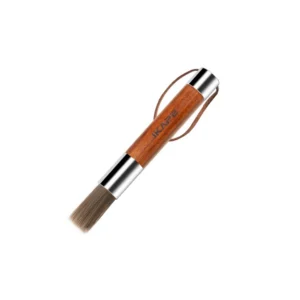
You will need a clean, lint-free cloth, a small brush (like a group head brush), and a food-safe silicone grease. It is critical to use a grease specifically designed for espresso machine components, as other lubricants can degrade plastic parts or impart undesirable flavors. Ensure your hands are clean to avoid transferring oils or dirt to the brew group components.
### Step-by-step lubrication process
With the machine off and unplugged, open the service door and carefully remove the brew group. To do this, press the “PRESS” button and pull the lever handle. The unit should slide out smoothly. If it feels stuck, do not force it; check the machine’s manual to ensure it is in the correct neutral position for removal.
1. **Cleaning:** Before applying new lubricant, you must remove old grease and coffee residue. Rinse the brew group under lukewarm running water. Do not use soap or solvents, as these can damage the components. Use a small brush to gently scrub away any stubborn coffee grounds, paying close attention to the shower screen and coffee outlet. Allow the brew group to air dry completely before proceeding.
2. **Identifying lubrication points:** The primary areas requiring lubrication are the two main guide rails on either side of the brew group. These are the channels where the moving parts slide up and down during the brew cycle. You will also need to apply a small amount of grease to the main drive shaft O-rings at the back of the unit.
3. **Applying the lubricant:** Squeeze a small, pea-sized amount of food-safe silicone grease onto your fingertip. Apply a thin, even layer to the length of both guide rails. You do not need a thick coat; a translucent film is sufficient. Work the lubricant into the channels, ensuring complete coverage. Next, apply a small amount to the O-rings on the rear shaft.
4. **Reassembly and testing:** Once lubricated, reinsert the brew group into the machine until it clicks securely into place. Close the service door, plug the machine back in, and power it on. The machine will run a self-test or rinse cycle, which will distribute the new lubricant throughout the mechanism. It is good practice to run two or three brewing cycles to ensure everything is operating smoothly and to flush out any minimal excess lubricant.
### Frequency and best practices
The ideal lubrication frequency depends on usage. For a typical home user making two to four coffees per day, lubricating the brew group every 500 cycles or every three to four months is a reliable guideline. If you begin to hear squeaking or notice the mechanism straining, it is a clear indicator that lubrication is needed sooner.
Consistency is more important than the exact interval. Establishing a regular maintenance schedule prevents the buildup of friction and ensures the machine’s internal components are protected from premature wear. Keeping a simple log of maintenance dates can help you stay on track. Avoid over-lubricating, as excessive grease can attract coffee grounds and create a residue that hinders performance.
### Maintaining long-term performance
Proper lubrication is a cornerstone of espresso machine maintenance that directly impacts both performance and longevity. By following this straightforward guide, you can confidently service your Gaggia Anima’s brew group, ensuring it operates with the precision it was designed for. This simple task, when performed regularly, protects the motor, preserves the integrity of moving parts, and contributes to the consistent quality of your espresso.
Integrating this process into your routine machine care is a practical step toward becoming a more knowledgeable and effective home barista. For those seeking to maintain their equipment with high-quality components, various tools and maintenance supplies are available from retailers like papelespresso.com.