



The caffè latte is a cornerstone of coffee shop menus worldwide, a comforting blend of rich espresso and creamy steamed milk. But ask ten different baristas for a latte, and you might get ten slightly different drinks. The core of this debate often boils down to one thing: the ratio of milk to espresso. Traditionally a very milky beverage, the modern specialty coffee scene has seen the rise of tighter, more coffee-forward ratios, like 1:6. This shift raises a fundamental question for coffee purists and casual drinkers alike. Is a drink with a 1:6 ratio of espresso to milk still a true latte, or has it evolved into something else entirely? This article explores the journey of the latte, from its traditional roots to its modern interpretation.
The traditional caffè latte: A foundation of milk and espressoTo understand where the latte is now, we must first look at its origins. The term caffè latte is Italian for “coffee and milk.” In Italy, it was traditionally a breakfast drink, often made at home by pouring strong moka pot coffee into a large cup of hot milk. The ratios were loose and never precisely measured, but the result was always a very milky, comforting beverage, easily reaching ratios of 1:8 or 1:10. The primary goal wasn’t to highlight the nuanced flavors of the coffee but to create a mellow, warm, and easy-to-drink beverage to start the day.
When the latte was adopted and popularized by American coffee culture in the 20th century, this milk-dominant philosophy continued. Served in large 12oz or 16oz cups, the drink was defined by its sheer volume and creamy texture, with the espresso providing a foundational coffee flavor rather than being the star of the show. The milk was steamed, but the focus on silky, paint-like microfoam for latte art was still years away.
The rise of specialty coffee and the shrinking latteThe “third wave” of coffee, which began in the early 2000s, changed everything. This movement shifted the focus from coffee as a commodity to an artisanal product, emphasizing the importance of origin, processing, and roast profile. Suddenly, espresso wasn’t just a bitter, strong base to be diluted; it was a complex liquid with notes of fruit, chocolate, and flowers that deserved to be tasted.
This new philosophy had a direct impact on milk-based drinks. To allow the delicate flavors of a single-origin espresso to shine, baristas realized they couldn’t drown it in milk. This led to a significant change in the construction of the latte:
- Standardized double shots: Specialty cafes began using a double shot of espresso (typically 36-40 grams of liquid) as the standard base for all drinks.
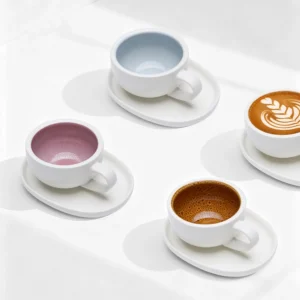
- Smaller serving sizes: The oversized 16oz and 20oz mugs were replaced by smaller 8oz to 10oz ceramic cups. This wasn’t just for aesthetic reasons; it was a deliberate choice to create a better-balanced beverage.
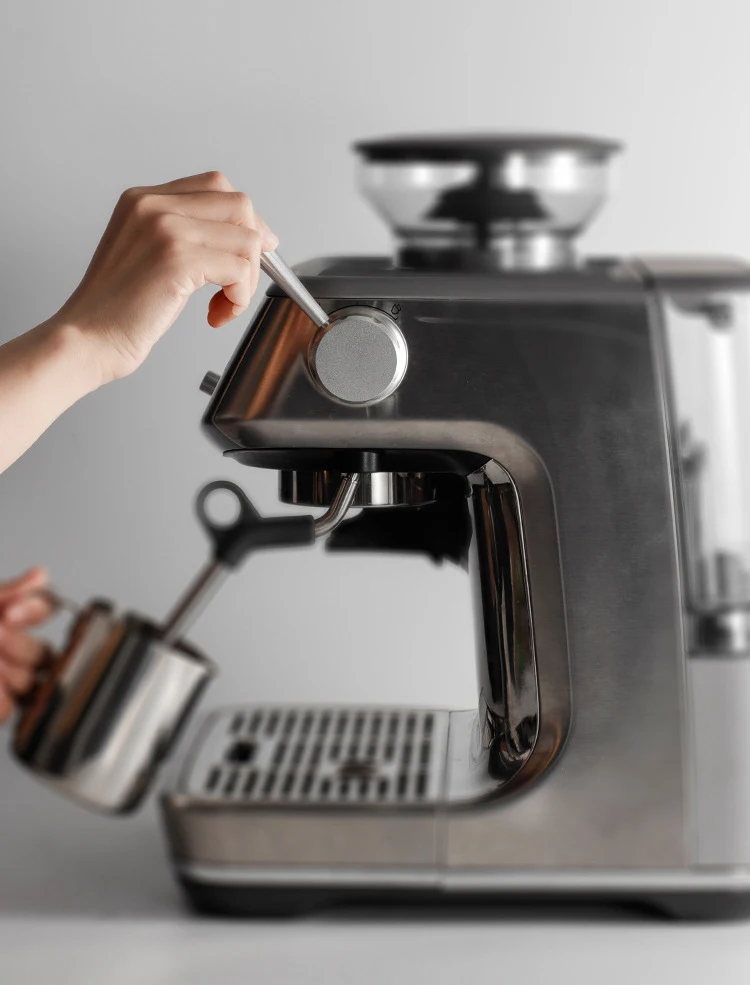
- Emphasis on milk texture: Perfecting microfoam became an essential skill, as its sweet, velvety texture complements the espresso without overpowering it.
This evolution naturally led to the creation of a more coffee-forward latte, paving the way for the popular 1:6 ratio.
Deconstructing the 1:6 ratio: Flavor, balance, and the modern palateA 1:6 ratio means for every one part of espresso, there are six parts of milk. For a standard 40g double espresso shot, this equates to 240g of steamed milk, resulting in a total beverage size of around 280g, or just under 10oz. This ratio strikes a careful balance. It’s milky enough to be smooth, creamy, and undeniably a latte, but it’s also restrained enough to let the character of the espresso come through clearly.
In a well-made 1:6 latte, you can taste the bright acidity of an Ethiopian coffee or the deep chocolate notes of a Brazilian bean. It’s a harmonious marriage where both ingredients are equally important. This stands in stark contrast to a traditional 1:10 latte, where the coffee’s unique characteristics are often muted into a generic “coffee” flavor. So, is it a latte? Absolutely. It contains the two core ingredients: espresso and steamed milk. The change isn’t in the ingredients, but in the philosophy behind the ratio. The modern latte respects the milk but celebrates the espresso.
A tale of two lattes: A comparisonThe differences between the traditional and modern latte are significant, reflecting the broader evolution of coffee culture. While both are valid, they offer distinctly different experiences for the drinker. The table below highlights the key distinctions.
| Feature | Traditional latte | Modern latte |
|---|---|---|
| Typical ratio (espresso:milk) | 1:8 to 1:10+ | 1:5 to 1:7 |
| Espresso base | Often a single shot or generic blend | Typically a double shot, often single-origin |
| Milk texture | Hot, foamy milk with large bubbles | Velvety, glossy microfoam |
| Flavor profile | Milk-forward, sweet, mild coffee flavor | Balanced, coffee-forward, highlights espresso notes |
| Serving size | Large (12oz – 20oz) | Moderate (8oz – 12oz) |
| Primary goal | To create a comforting, milky beverage | To create a balanced drink showcasing quality coffee |
Ultimately, the definition of a latte has proven to be fluid. The journey from a simple Italian breakfast staple to a precisely crafted specialty beverage shows how coffee culture continues to evolve. While the traditional, milk-heavy latte still has its place, the modern 1:6 ratio has become the new standard in cafes that prioritize coffee quality. So, is a 1:6 ratio still a latte? The answer is a resounding yes. It is the modern expression of the drink, one that honors both the rich heritage of espresso and the sweet, creamy character of milk. The name remains the same, but the philosophy has been refined, offering a more balanced and flavorful experience for today’s discerning coffee drinker.