

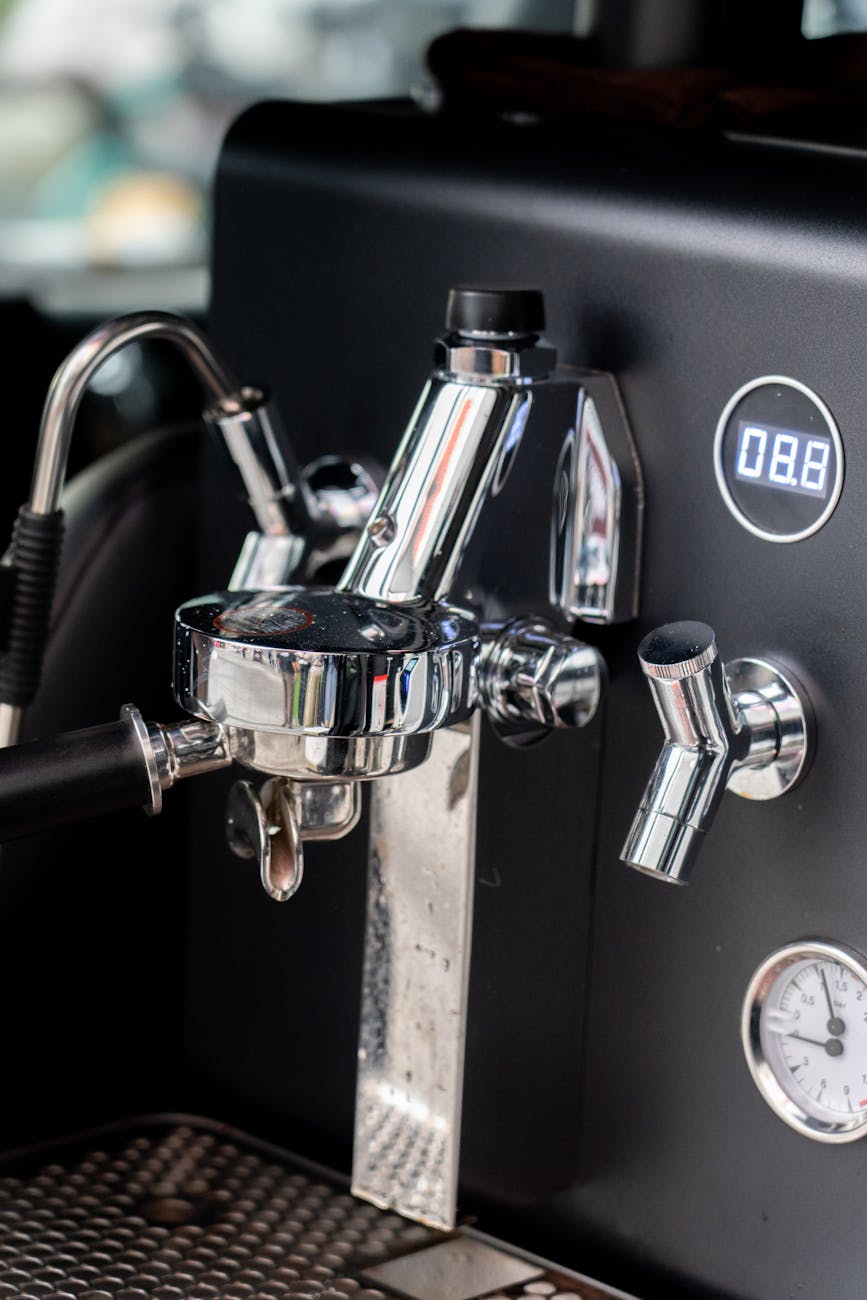
The allure of pulling a café-quality espresso shot at home is a powerful one. You’ve invested in a quality machine, good beans, and a decent grinder. Yet, a common mistake can undermine all that effort: pulling a shot from a cold machine. True espresso excellence hinges on one critical, often overlooked factor: thermal stability. Simply waiting for the “ready” light to turn on is not enough. This light indicates the boiler water is hot, but it says nothing about the rest of the machine. In this article, we will explore why a comprehensive warm-up routine is non-negotiable for achieving maximum thermal stability, and we’ll provide a step-by-step guide on how to properly warm up your espresso machine for consistently delicious results every single time.
Why thermal stability is the cornerstone of great espresso
Espresso extraction is a delicate chemical reaction where hot, pressurized water dissolves soluble compounds from finely-ground coffee. Temperature is one of the most critical variables in this process. Even a slight fluctuation of a few degrees can drastically alter the taste of your shot. If the water is too cool, it will fail to extract the desirable sugars and oils, resulting in a sour, thin, and underwhelming shot—a classic sign of under-extraction. Conversely, if the water is too hot, it will scald the grounds and extract an excess of bitter, astringent compounds, leading to an acrid and unpleasant taste known as over-extraction.
Achieving thermal stability means that every component the water touches, from the boiler to the tip of the spout on your portafilter, is at a consistent and correct temperature. This ensures that the water temperature hitting the coffee puck is exactly what you intend it to be, from the first second of pre-infusion to the last drop of the shot. This consistency is the secret behind the sweet, balanced, and repeatable shots that coffee professionals strive for.
The anatomy of the warm-up process: more than just the boiler
When you turn on your espresso machine, the first part to heat up is the boiler. However, the journey for your brew water doesn’t end there. To reach the coffee puck, it must travel through a series of metal components, all of which must be thoroughly heated to avoid “heat suck.”
- The group head: This is the large, heavy metal component where you lock in the portafilter. It’s often made of solid brass or stainless steel and acts as a massive heat sink. A cold group head will instantly sap the heat from your brew water just before it hits the coffee, leading to a severely under-extracted shot.
- The portafilter and basket: Just like the group head, the heavy metal portafilter and its filter basket need to be hot. Locking a cold portafilter into a hot group head will create a cold spot, again dropping the brew temperature and compromising your shot.
- Your cup: While not part of the machine itself, pouring a perfectly extracted espresso into a cold ceramic cup will cause it to lose temperature rapidly, muting its complex flavors and aromas. Warming your cup is the final, simple step in preserving the quality of your shot.
Understanding that you need to heat the entire brew path is the conceptual leap from a beginner to an enthusiast. The goal is to create a thermally stable system where temperature loss is minimized at every stage.
A step-by-step guide to the perfect warm-up routine
Patience is a virtue, especially in espresso preparation. Following a consistent routine will eliminate temperature as a variable and give you more control over your extraction. Here is a simple yet effective process:
- Turn the machine on: This is the obvious first step. As soon as you wake up or enter the kitchen, flip that switch. Give it a minimum of 20-30 minutes, though more is often better.
- Lock in the portafilter: As soon as you turn the machine on, lock your clean, empty portafilter into the group head. This allows it to heat up passively along with the machine through direct contact and ambient heat.
- Perform warming flushes: After the machine has had ample time to heat up (at least 20 minutes), run a “warming flush.” This involves running water through the group head for 5-10 seconds. Do this once with the portafilter locked in and once without. This blast of hot water purges any cooler water sitting in the lines and actively transfers heat to the group head and portafilter, ensuring they are at optimal brew temperature.
- Warm your cups: Use the hot water from your warming flushes to fill and warm your espresso cups. Alternatively, many machines have a passive cup warming tray on top that utilizes heat rising from the boiler. Let your cups sit there while the machine heats up.
By following these steps, you are actively managing the temperature of the entire system, not just passively waiting for a light to come on.
Warm-up times and techniques for different machine types
Not all espresso machines are built the same, and their warm-up requirements can vary significantly. The internal design dictates how long it takes to achieve thermal stability and what specific techniques might be needed.
A single boiler machine, for example, is often ready faster but may require more active temperature management. A large dual boiler machine, on the other hand, boasts incredible stability but requires a much longer pre-heating period for its massive metal components to come to temperature. Understanding your machine type is key to perfecting your warm-up routine.
| Machine Type | Key Component(s) to Heat | Recommended Warm-up Time | Specific Warm-up Tip |
| Single Boiler, Dual Use (SBDU) | Boiler, Group Head, Portafilter | 20-25 minutes | After steaming milk, flush the overheated group head with a “cooling flush” to bring the temperature back down to the brewing range. |
| Heat Exchanger (HX) | Boiler, HX tube, Group Head, Portafilter | 30-40 minutes | Always perform a cooling flush right before brewing to release superheated water from the heat exchanger tube and stabilize the group head temperature. |
| Dual Boiler (DB) | Brew Boiler, Steam Boiler, Group Head, Portafilter | 30-45+ minutes | These are very stable once hot, but their large mass requires the longest warm-up. Patience is key; don’t rush the process. |
Investing in a smart plug or outlet timer can be a game-changer. You can program your machine to turn on 30-45 minutes before you wake up, ensuring it is perfectly hot and thermally stable the moment you’re ready to brew.
Conclusion: patience is the final ingredient
The secret to consistently great espresso isn’t just about the right grind or the perfect tamp; it’s about control and repeatability. Properly warming up your espresso machine is the most fundamental step in controlling the critical variable of temperature. It’s the difference between a frustrating, unpredictable morning ritual and a rewarding, delicious one. Remember, the goal is not just a hot boiler, but a thoroughly heated and thermally stable system—from the group head to the portafilter and even the cup. By understanding the ‘why’ behind the process and adopting a consistent, patient warm-up routine tailored to your machine type, you eliminate guesswork and lay the foundation for pulling the perfect shot, every single time.
 No products in the cart.