
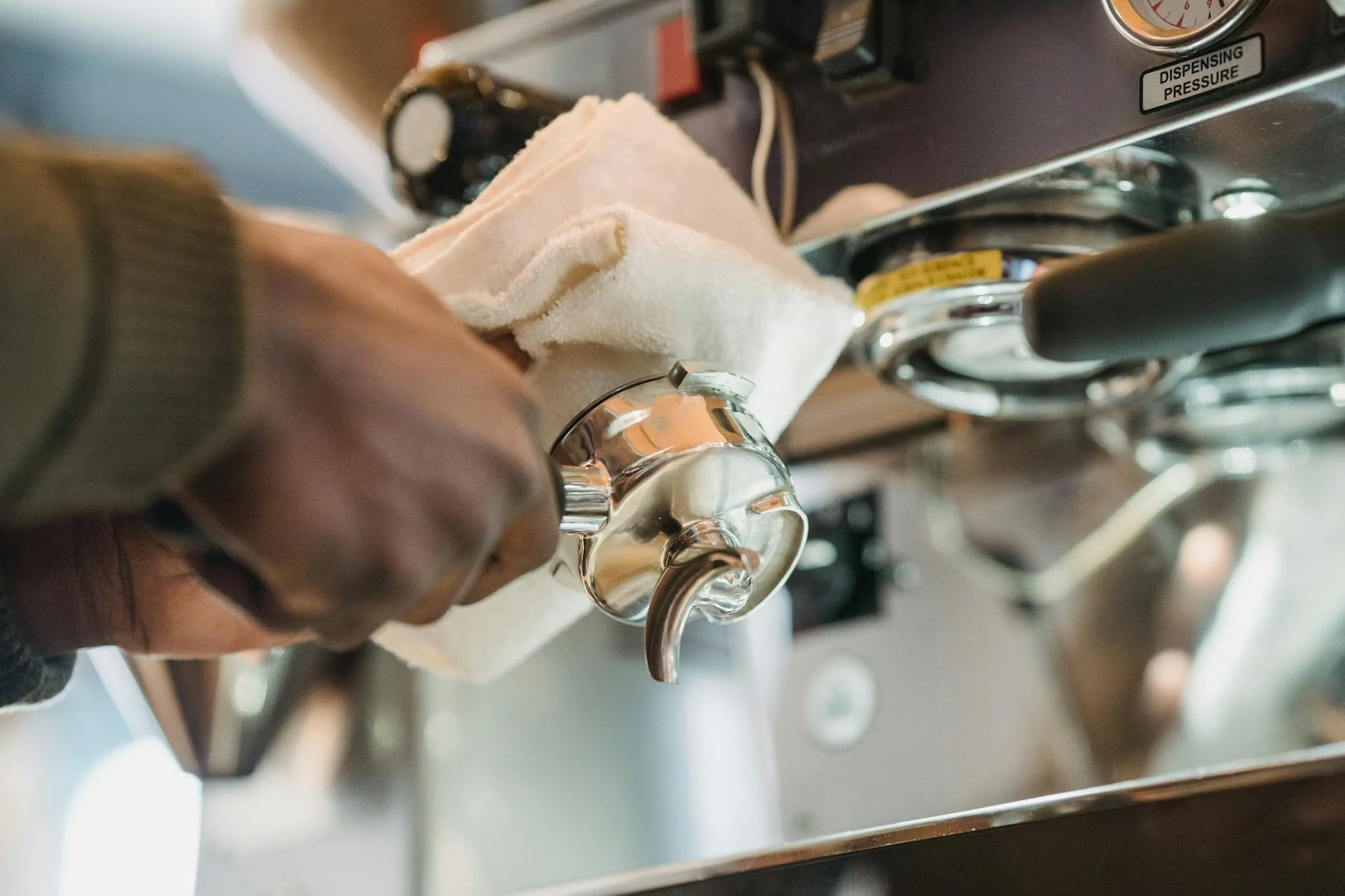
A clean espresso machine is the foundation of every delicious shot. Over time, coffee oils and fine grounds build up inside the group head, turning rancid and imparting bitter, unpleasant flavors into your coffee. This is where backflushing comes in—a critical maintenance task for any machine equipped with a three-way solenoid valve. While it sounds technical, a chemical backflush is a straightforward process that purges this residue, restoring your coffee’s flavor and protecting your machine’s internal components. This guide will walk you through how to perform a chemical backflush safely and effectively, ensuring you don’t cause any harm to your valuable equipment. We will cover the entire process, from understanding the fundamentals to gathering the right tools and avoiding common pitfalls.
Why, when, and what to backflush
Before you begin, it’s essential to understand what backflushing actually does and if your machine is designed for it. Backflushing is the process of forcing water and a cleaning solution backward through the group head, shower screen, and a special pressure-release valve called a three-way solenoid valve. This valve is key; it diverts excess pressure and water from the group head to the drip tray when you stop pulling a shot. It’s this pathway that allows the cleaning solution to flush out built-up coffee oils and grime from the system.
If your machine doesn’t have a three-way solenoid (many entry-level and lever machines don’t), you must not attempt to backflush it. Doing so can create a dangerous pressure buildup with nowhere to go, potentially damaging the pump or seals. For those machines, regular manual cleaning of the shower screen and group gasket is the correct approach.
The frequency of backflushing depends on your usage. For a home user, a simple water-only backflush at the end of each day is great practice. A more intensive chemical backflush, which this article focuses on, should be performed every 1 to 4 weeks, depending on how much coffee you make. This routine maintenance prevents the solenoid valve from getting clogged and ensures your espresso tastes fresh, not tainted by old, rancid oils.
Gathering your equipment and the right cleaner
Performing a backflush requires a few specific tools, but they are inexpensive and essential for any serious espresso enthusiast. You can’t get the job done without them. Here’s what you’ll need:
- Blind basket: This is a portafilter basket with no holes. It’s also known as a backflush disc. It allows pressure to build inside the portafilter, forcing the water back up into the group head.
- Espresso machine cleaner: This is a specially formulated detergent designed to break down coffee oils. Do not use a descaling solution, which is an acid meant for mineral buildup, or dish soap, which can leave residue and damage internal components.
- Group head brush: A brush with an angled head is perfect for scrubbing the group gasket and shower screen to dislodge stubborn grounds.
- A spare towel: You’ll need this for wiping down the portafilter and group head.
The most critical choice here is the cleaner. Brands like Cafiza or Puly Caff are industry standards for a reason—they are powerful against coffee oils but are formulated to be safe for your machine’s metal and rubber parts. Using the correct, purpose-built cleaner is the first step in ensuring you don’t cause any unintended damage. A small tub of this powder will last a home user for a very long time, making it a worthwhile investment in both taste and machine longevity.
A safe step-by-step backflushing guide
With your tools ready, you can now perform the chemical backflush. Follow these steps carefully to ensure a safe and thorough cleaning. The key is to be methodical and, most importantly, to rinse everything completely at the end.
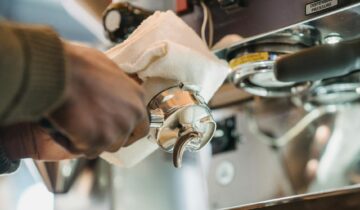
- Initial rinse and scrub: Start with your machine fully heated. Lock your regular portafilter in and run the pump for a few seconds to wet the group head. Then, remove the portafilter and use your group head brush to scrub around the gasket and shower screen to loosen any coffee grounds. Wipe clean with a towel.
- Prepare the cleaner: Swap your regular basket for the blind basket in your portafilter. Add a small amount of espresso machine cleaner—about 1/8 to 1/4 of a teaspoon is plenty. Using too much is a common mistake that can clog the solenoid valve.
- Run the cleaning cycles: Lock the portafilter into the group head. Engage the pump for about 10 seconds. You will hear the pump strain slightly as pressure builds. Then, stop the pump. You should hear a “whoosh” sound as the three-way solenoid valve releases pressure and discharges foamy, dirty water into the drip tray. This is the backflush in action.
- Repeat and wait: Repeat the 10-second on, 10-second off cycle four to five times. This allows the detergent to dissolve all the built-up grime.
- Rinse the system thoroughly: This is the most important step to avoid damaging your machine or getting chemical-tasting coffee. Remove the portafilter, rinse it and the blind basket completely with water to remove all traces of detergent.
- Final water-only backflush: Lock the portafilter with the clean blind basket back into the group head. Repeat the 10-second on/off cycle at least 5-10 times using only water. Continue until the water being discharged into the drip tray is perfectly clear and free of foam.
- Pull a seasoning shot: Finally, pull a single shot of espresso and discard it. This helps to re-season the group head with a small amount of coffee oil and ensures any final traces of cleaner are flushed out.
Common mistakes that can damage your machine
While backflushing is a safe procedure when done correctly, a few common errors can lead to problems. Being aware of these will help you protect your investment and keep your machine running smoothly for years to come.
The biggest mistake is using too much detergent. An excessive amount of cleaning powder can create too much foam or fail to dissolve properly, leading to a blocked solenoid valve—a component that can be costly to repair or replace. Always follow the manufacturer’s instructions, but a small pinch (1/8 teaspoon) is almost always sufficient.
Another critical error is inadequate rinsing. Failing to flush the system thoroughly with plain water after the chemical cycle can leave corrosive detergent residue inside the group head and solenoid. This can degrade seals and o-rings over time and will certainly make your next coffee taste terrible. When in doubt, rinse more than you think you need to.
Finally, as mentioned earlier, never attempt to backflush a machine that is not equipped with a three-way solenoid valve. This is the fastest way to cause serious damage to the pump and internal plumbing. If you’re unsure, consult your machine’s manual or the manufacturer.
| Frequency | Task | Purpose |
|---|---|---|
| Daily | Water-only backflush | Rinses out fresh coffee grounds from the shower screen and group head before they harden. |
| Weekly (high use) or every 2-4 weeks (low use) | Chemical backflush | Dissolves built-up, rancid coffee oils from deep within the group head and solenoid valve. |
| Every 1-3 months | Soak portafilter & baskets | Removes stubborn, baked-on coffee oils from metal components that a simple wipe-down can’t handle. |
Performing a regular chemical backflush is one of the most impactful things you can do for your espresso. It’s not just about machine maintenance; it’s about preserving the true flavor of your coffee. By understanding the process and its purpose, you can move past any hesitation and embrace it as a simple routine. This guide has shown that the procedure is straightforward and, most importantly, completely safe when done correctly. Remember to use the right tools, the proper cleaner in the correct amount, and always rinse thoroughly. By avoiding common mistakes, you ensure your machine remains healthy and free from damage. The reward for this minimal effort is significant: a longer lifespan for your equipment and consistently delicious, clean-tasting espresso, shot after shot.

 No products in the cart.
