


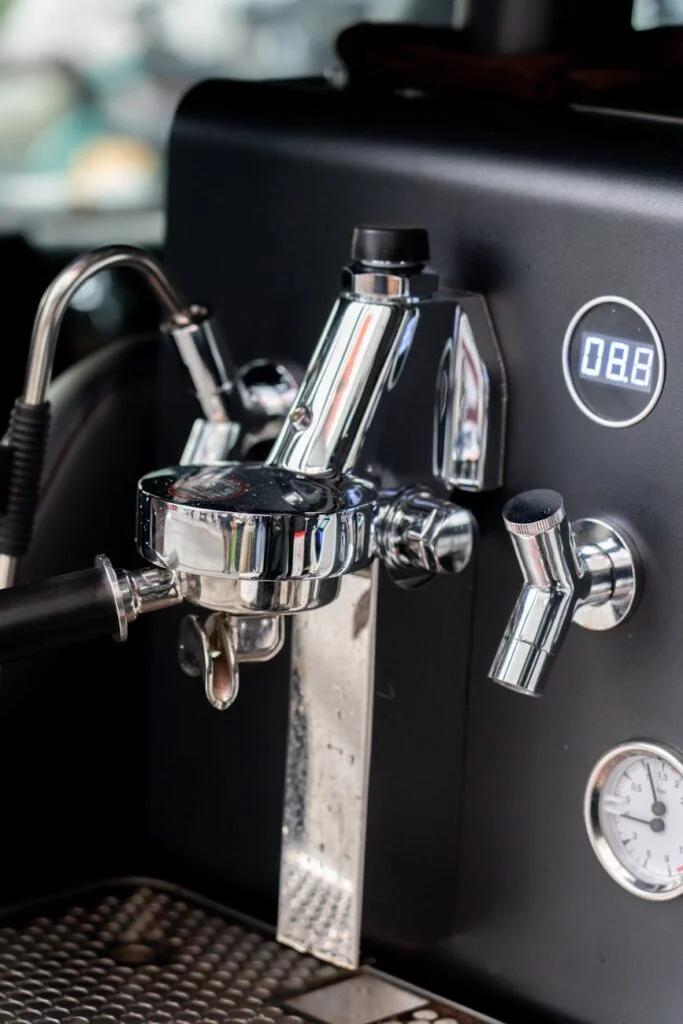
The quest for the perfect shot of espresso is a journey of continuous improvement for any home barista. While we often focus on grinders, beans, and tamping techniques, some of the most impactful upgrades are hidden inside the machine itself. The iconic E61 group head, a staple of prosumer espresso machines for decades, is a brilliant piece of engineering, but it can be made even better. One of the simplest and most cost-effective modifications is upgrading to a precision shower screen. This small component plays a massive role in how water meets your coffee puck, directly influencing the quality of your extraction. This guide will walk you through why this upgrade is worthwhile and provide a clear, step-by-step process for installing one on your E61 machine.
Why a precision screen is a game-changer for your E61
Before diving into the installation, it’s crucial to understand what you’re changing and why it matters. The standard shower screen on most espresso machines is a stamped piece of metal with punched holes. Its job is simple: to disperse the water coming from the machine’s boiler onto the surface of your coffee puck. While functional, these standard screens often have unevenly sized holes and a rougher surface, which can lead to jets of water hitting the coffee. This uneven distribution is a primary cause of channeling, where water finds paths of least resistance through the puck, leading to an extraction that is simultaneously sour and bitter.
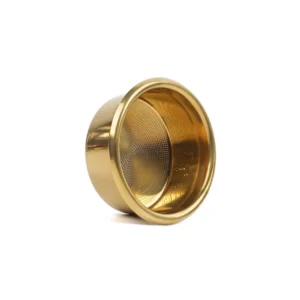
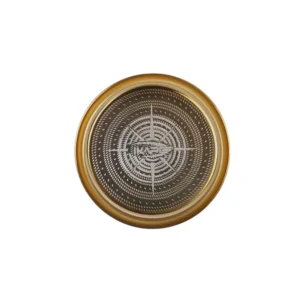
A precision shower screen, often made by specialists like IMS or VST, is engineered to a much higher standard. Instead of being punched, the holes are created using a process called photo-etching, resulting in thousands of tiny, perfectly uniform perforations. This creates a gentle, even “shower” of water across the entire coffee bed. The benefits are immediate and tangible:
- Improved water distribution: The even flow saturates the coffee puck uniformly, promoting a more balanced extraction.
- Reduced channeling: By eliminating harsh jets of water, the integrity of the puck is maintained, significantly reducing the risk of channeling.
- Cleaner group head: Many precision screens feature a nanocoating of non-stick quartz, which repels coffee oils and fines. This keeps your group head cleaner and makes maintenance easier.
- Enhanced flavor clarity: A more even extraction means you can taste the subtle nuances of your coffee beans more clearly, resulting in a sweeter, more complex, and consistent shot.
Gathering your tools for the upgrade
This is a straightforward job that requires only a few basic tools. Having everything ready before you start will make the process smooth and quick. It is also the perfect opportunity to replace your group head gasket. The gasket creates the seal with your portafilter, and since you have to remove it to access the screen, replacing it with a new one is highly recommended. Old gaskets become hard and brittle, leading to leaks and an improper seal.
Here’s what you’ll need:
- The new parts: An E61-compatible precision shower screen and a new 8mm or 8.5mm E61 group head gasket (silicone gaskets are a popular upgrade).
- A flathead screwdriver: A short, “stubby” screwdriver often works best for prying out the old screen and gasket. – A pick or small awl: This is extremely helpful for getting stubborn old gaskets out without scratching the group head.
- Group head brush: Essential for cleaning.
- Espresso machine cleaner: A powder like Cafiza or a dedicated liquid cleaner.
- A clean, lint-free cloth: For wiping down the group head.
The step-by-step installation process
With your tools and parts at the ready, you can begin the installation. This process should take no more than 15-20 minutes and is one of the most rewarding maintenance tasks you can perform on your machine.
Step 1: Remove the old screen and gasket
Using your flathead screwdriver or pick, carefully find the seam between the shower screen and the brass group head. Gently pry downwards. The screen is held in by the tension of the rubber gasket. You may need to work your way around the edge, prying a little at a time. The gasket and screen should pop out together. Be patient and avoid using excessive force, as you don’t want to scratch the soft brass of the group head.
Step 2: A thorough cleaning
With the screen removed, you will see a buildup of old coffee oils and grounds. This is the perfect time for a deep clean. Use your group head brush to scrub the inside of the group, paying special attention to the groove where the gasket sits. For a deeper clean, make a paste with a small amount of espresso machine cleaner and warm water. Apply it with the brush and scrub thoroughly. Finally, use a damp cloth to wipe away all the residue until the brass is sparkling clean. A clean surface is essential for a proper seal.
Step 3: Install the new screen and gasket
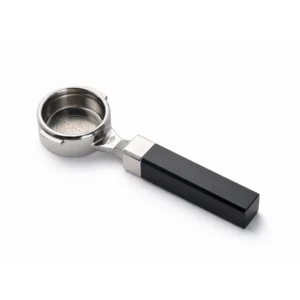
First, fit your new precision shower screen into the new gasket. Ensure it sits flush and is properly seated inside the gasket’s inner lip. Now, press the entire assembly into the group head with your fingers. It should go in partially. To fully seat it, insert an empty portafilter (with no basket inside) into the group and lock it in. As you turn the handle, the portafilter will press the gasket and screen evenly and securely into place. You can lock and unlock it a few times to be sure. Do not use a screwdriver to force it in, as this can dent the delicate screen.
Step 4: Final check and flush
Once installed, lock your regular portafilter (with a basket) into the group. It will likely feel much tighter than before; this is normal with a new gasket and will ease up over time. Plug the machine in, allow it to come up to temperature, and run the pump for 20-30 seconds. This will flush out any remaining cleaning residue and allow you to check for leaks around the portafilter. You should see a beautiful, even shower of water flowing from your new screen.
Results, maintenance, and what to expect
Congratulations, you’ve successfully upgraded your E61 group head! The first thing you’ll notice is the visual difference in water flow. But the real proof is in the cup. You can expect your espresso shots to be more consistent, with a noticeable reduction in channeling. This often translates to sweeter, more balanced flavors and the ability to grind finer for higher extractions without introducing astringency. The investment is small, but the impact on shot quality is significant.
Maintaining your new screen is simple. The smoother surface and nanocoating (if applicable) prevent coffee grounds from sticking. A regular backflushing routine with plain water after each session and a chemical backflush every few weeks will keep it performing perfectly. Below is a quick comparison of what you’ve just upgraded.
| Feature | Standard shower screen | Precision shower screen |
|---|---|---|
| Hole creation | Punched / Stamped | Photo-etched / Laser cut |
| Water flow | Can be uneven, creates jets | Even, gentle “shower” |
| Channeling risk | Higher | Significantly lower |
| Cleaning | Coffee oils stick easily | Easier to clean, often non-stick |
| Shot consistency | Variable | High and repeatable |
In conclusion, upgrading to a precision shower screen is one of the most impactful and affordable modifications any E61 owner can make. It’s a simple DIY project that directly addresses a key variable in espresso extraction: water distribution. By moving from a standard, functional component to a piece of precision-engineered equipment, you eliminate a major cause of channeling and unlock a new level of consistency in your coffee. The process is straightforward—remove the old parts, give the group head a thorough cleaning, and carefully install the new screen and gasket. The result is not just a prettier flow of water, but a tangible improvement in the cup, leading to sweeter, more balanced, and clearer-tasting espresso shots. It’s a small change that makes a world of difference for any enthusiast serious about their craft.