
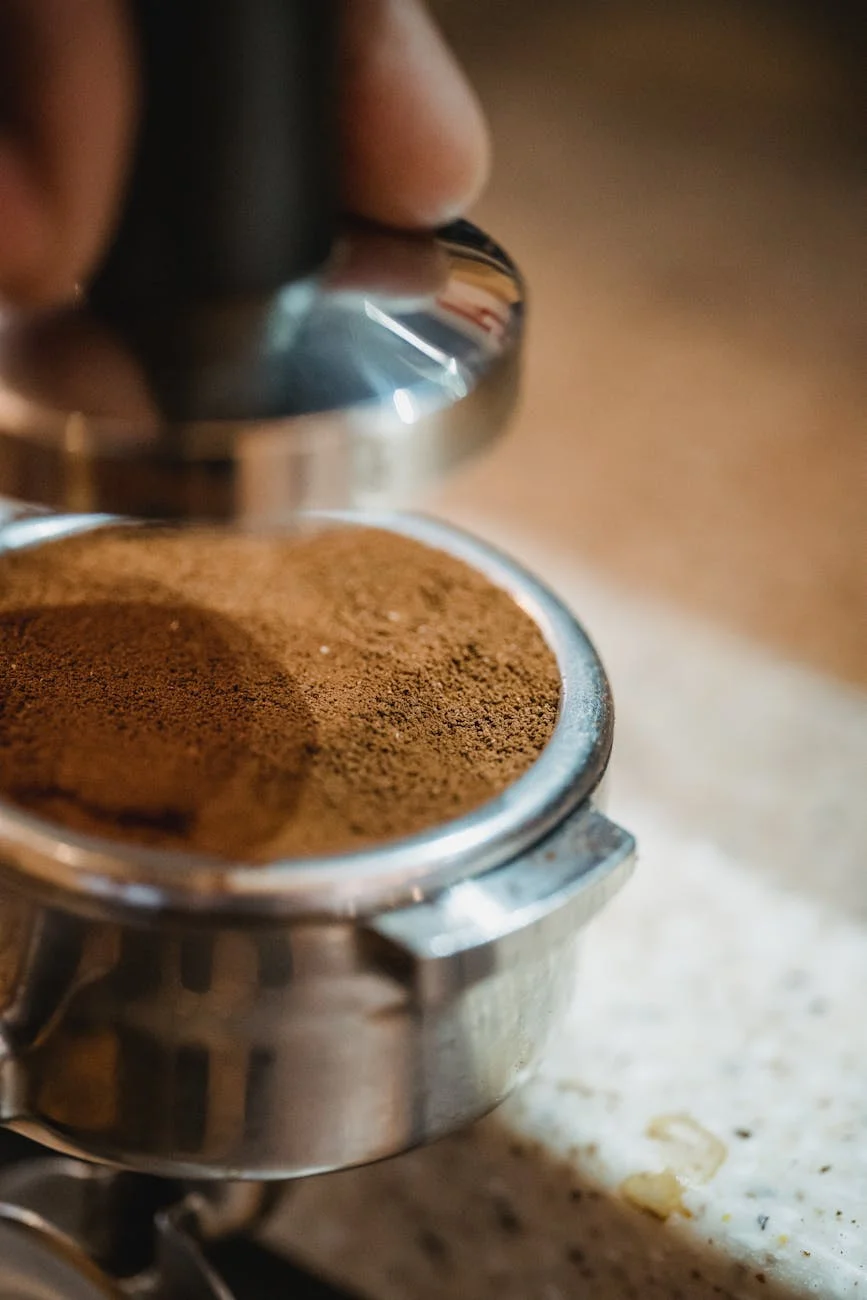
Unlocking the vibrant, complex, and often fruity notes of a light roast espresso can feel like a barista’s ultimate challenge. Unlike their darker-roasted counterparts, these beans are notoriously tricky, frequently yielding shots that are disappointingly sour and under-extracted. Many coffee lovers are left wondering what they’re doing wrong. The secret, however, often lies in a single, crucial variable: the grind size. Mastering how to fine-tune your grind is the most significant step toward taming the wild acidity of light roasts and revealing their true, nuanced character. This guide will walk you through why these beans demand a special approach and provide a clear, step-by-step process for dialing in that perfect, sweet, and balanced shot of light roast espresso.
Why light roasts demand a different approach
To understand how to properly extract light roast coffee, we first need to understand the bean itself. During the roasting process, coffee beans undergo significant physical and chemical changes. Darker roasts are heated for longer, causing them to expand, become more porous, and develop a more brittle structure. This process also makes the coffee’s chemical compounds more soluble and easier to extract.
Light roast beans, on the other hand, are roasted for a shorter time. This preserves their delicate, origin-specific flavors but also means they are:
- Denser and harder: They haven’t expanded as much, making them physically tougher to grind.
- Less porous: The bean’s cellular structure is more intact, making it harder for water to penetrate.
- Less soluble: The flavor compounds are essentially “locked” inside and require more work to be extracted by the water.
Because of these characteristics, using a standard espresso recipe or grind setting will almost always result in under-extraction. The water flows through the coffee puck too quickly, unable to dissolve enough of the sugars and complex flavors to balance the bean’s natural acidity. The result is a shot that tastes overwhelmingly sour, not pleasantly bright. To counteract this, we must fundamentally change our approach to extraction.
The principle of grinding finer
The core strategy for properly extracting light roasts is to increase the coffee’s total surface area and the time it spends in contact with water. The most effective way to achieve both is by adjusting your grind size to be significantly finer than you would for a medium or dark roast. A finer grind directly addresses the challenges posed by the bean’s density and lower solubility.
Here’s how it works:
- Increased surface area: By grinding the beans into smaller particles, you expose more of the coffee’s surface to the water. This gives the water more opportunities to dissolve the flavor compounds, leading to a higher extraction yield.
- Increased resistance: A puck of finely ground coffee is more compact and dense. This creates more resistance, slowing down the flow of water. This increased contact time is crucial, giving the water the extra seconds it needs to pull out the sweetness required to balance the acidity.
However, this is a delicate balancing act. Grinding too fine can choke your machine, preventing any water from passing through. It can also lead to channeling, where the high pressure forces a small channel through the puck, over-extracting the coffee along that path (creating bitterness) while leaving the rest under-extracted (creating sourness). The goal is to find the sweet spot where extraction is high and even.
The dialing-in process: a step-by-step guide
Dialing in a light roast requires patience and a systematic approach. Forget the traditional 1:2 ratio in 25 seconds for now; light roasts often taste best with longer ratios and shot times. Let’s start with a new baseline, for example, a 1:2.5 ratio (e.g., 18g of coffee in, 45g of liquid espresso out) in about 30-35 seconds.
Follow these steps, making only one adjustment at a time:
- Establish a starting point: Set your grinder to a noticeably finer setting than your usual for espresso. Don’t be afraid to go much finer than you think you need to.
- Pull a shot and observe: Use your chosen dose (e.g., 18g) and aim for your target yield (e.g., 45g). Time the shot from the moment you press the button. Does the shot gush out in 15 seconds? It’s too coarse. Does it barely drip after 40 seconds? It’s too fine.
- Taste is your ultimate guide: Numbers are just a reference; your palate is the final judge.
- If it tastes aggressively sour, acidic, and thin, your shot is under-extracted. You need to grind finer to increase extraction.
- If it tastes overwhelmingly bitter, dry, and harsh, your shot is over-extracted or channeled. You need to grind coarser to reduce extraction.
- Adjust and repeat: Make a very small adjustment on your grinder’s micro-adjust dial in the direction you need to go. Pull another shot, keeping your dose and yield the same. Taste it again. Repeat this process until you achieve a shot that is balanced, sweet, and vibrant, where the acidity is pleasant like a ripe fruit, not sharp and sour.
Advanced techniques and troubleshooting
A fine grind increases the potential for extraction issues, making your technique more important than ever. Meticulous puck preparation is not optional; it’s essential for avoiding channeling and achieving an even extraction.
Key puck prep tools:
- Weiss Distribution Technique (WDT): Use a WDT tool with fine needles to break up any clumps in your portafilter and evenly distribute the grounds. This is arguably the most important step for preventing channeling with fine grinds.
- Level tamping: Ensure you tamp on a flat surface and apply firm, even pressure to create a perfectly level and uniformly compressed puck.
Beyond puck prep, you can also consider other variables once your grind is close:
- Brew temperature: Light roasts often benefit from higher water temperatures (e.g., 94-96°C or 201-205°F) to further boost extraction.
- Pre-infusion: If your machine allows it, using a long, low-pressure pre-infusion can help gently saturate the dense puck, reducing the chance of channeling when the full pressure hits.
Use this table as a quick reference when you’re troubleshooting:
| Problem (Taste) | Likely Cause | Primary Solution |
|---|---|---|
| Sharp, sour, watery, fast shot | Under-extraction | Grind finer to increase contact time and surface area. |
| Bitter, harsh, astringent, slow/choked shot | Over-extraction | Grind coarser to reduce extraction. |
| Tastes both sour and bitter at the same time | Uneven Extraction (Channeling) | Improve puck prep. Use a WDT tool, ensure a level tamp, and then reassess grind size. |
The journey of dialing in light roast espresso is one of precision and patience. It begins by understanding that these dense, less soluble beans require a fundamentally different approach centered on a finer grind size. By systematically adjusting your grinder based on taste, you can increase the coffee’s surface area and slow down your shot, allowing the water enough time to extract the sweet, complex flavors needed to balance the bright acidity. Remember to support your fine grind with meticulous puck preparation to ensure an even, channel-free extraction. While the process may seem daunting, the reward is immense: a vibrant, nuanced, and utterly delicious cup of espresso that showcases the true potential of the coffee bean.


 No products in the cart.
