


Understanding pre-infusion limitations in standard Gaggia machines
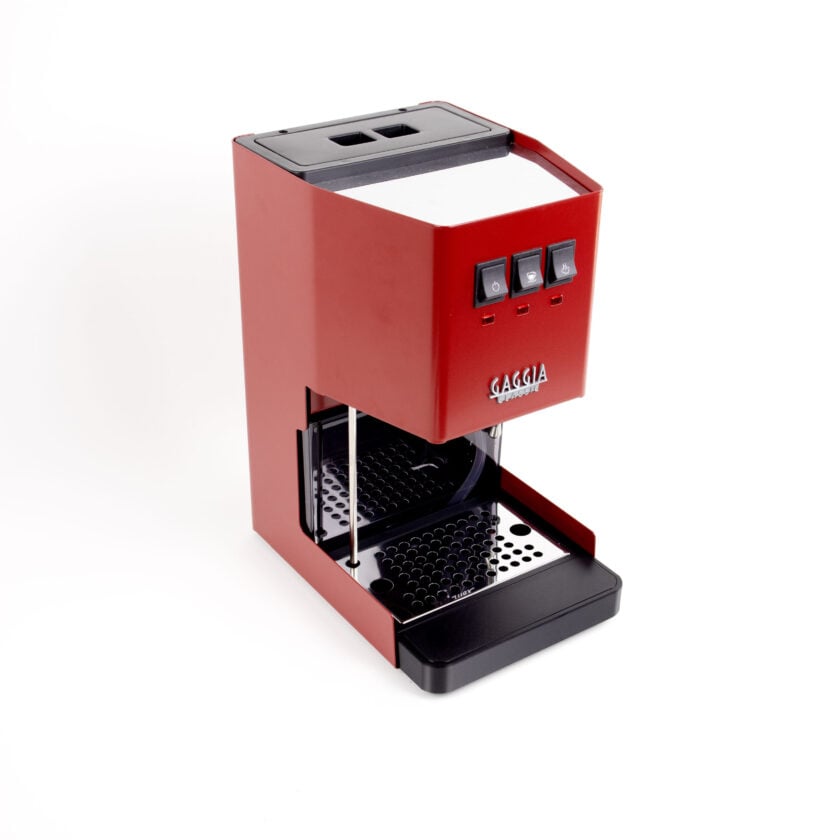
For home baristas dedicated to mastering manual espresso, pre-infusion is a critical variable in achieving uniform, high-quality extractions. True pre-infusion involves saturating the coffee puck at a low, controlled pressure before applying the full nine bars of extraction pressure. This process helps reduce channeling, allows for a finer grind, and can lead to a more balanced and complete extraction. However, many popular entry-level machines, including standard Gaggia models like the Classic Pro, are not designed to perform this function in a controlled manner. This article explores the technical reasons behind this limitation, providing clarity for users seeking to understand the inner workings of their equipment and optimize their brewing process.
What is true pre-infusion?
Before examining the mechanics of Gaggia machines, it is essential to define what constitutes true pre-infusion. It is not simply a short burst of water or the natural pressure ramp-up of a pump. Instead, it is a deliberate and controlled phase where water is introduced to the coffee grounds at a very low pressure, typically between one and three bars. This initial phase gently saturates the puck, allowing it to swell and settle any micro-fractures or inconsistencies from tamping. By establishing a uniform puck density and resistance before the main extraction begins, the likelihood of channeling—where water exploits paths of least resistance—is significantly reduced. This control over the initial saturation is the hallmark of advanced espresso machines.
The mechanics of the Gaggia water path
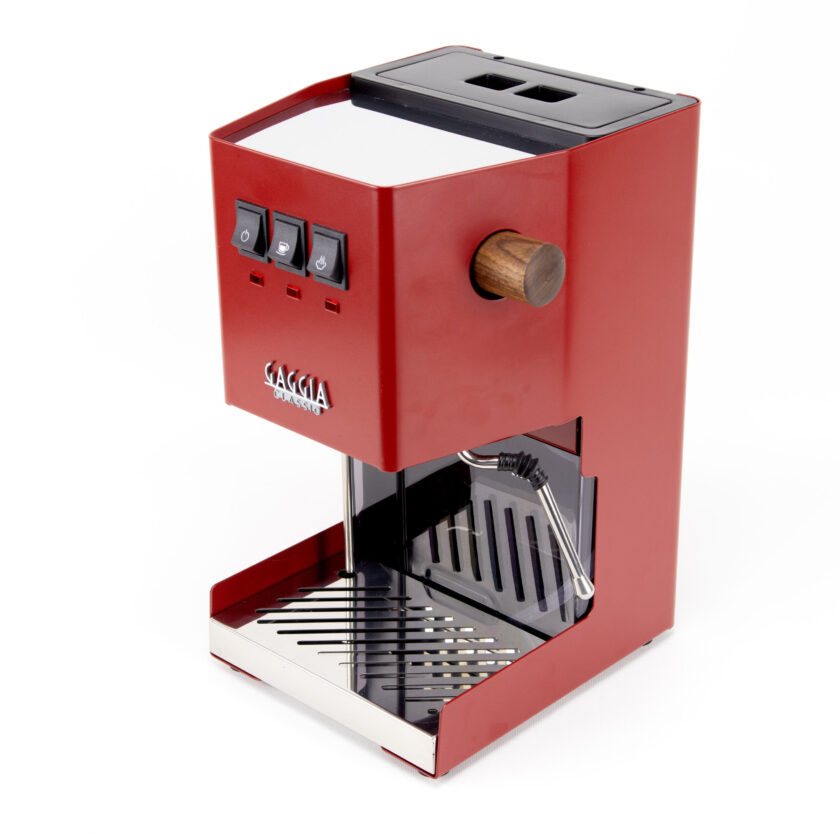
The design of a standard Gaggia machine is elegantly simple but inherently limits its ability to perform low-pressure pre-infusion. The water path consists of a vibratory pump that feeds water into a small boiler. When the user activates the brew switch, power is sent simultaneously to the pump and a three-way solenoid valve located directly above the group head. This valve is the critical component. It functions as a binary, on/off switch: when energized, it opens the path from the boiler to the shower screen at full pressure. When de-energized, it instantly closes the boiler path and opens an exhaust port, which vents pressure from the group head and dries the puck. There is no intermediate or partially open state to gently introduce water.
Why the vibratory pump’s ramp-up is not pre-infusion
A common misconception is that the natural pressure curve of a vibratory pump provides a form of pre-infusion. While it is true that these pumps take a few seconds to build from zero to their maximum pressure, this ramp-up is neither gentle nor controlled. The pressure rises rapidly and is a byproduct of the pump’s mechanical operation, not a feature designed for puck saturation. The duration and pressure curve of this ramp-up phase are not adjustable in a stock machine. It provides a brief moment of wetting, but it lacks the sustained, low-pressure soak time required to be classified as true pre-infusion. The puck is hit with rapidly increasing pressure almost immediately, which can disturb the coffee bed.
Assessing the “steam knob trick” workaround
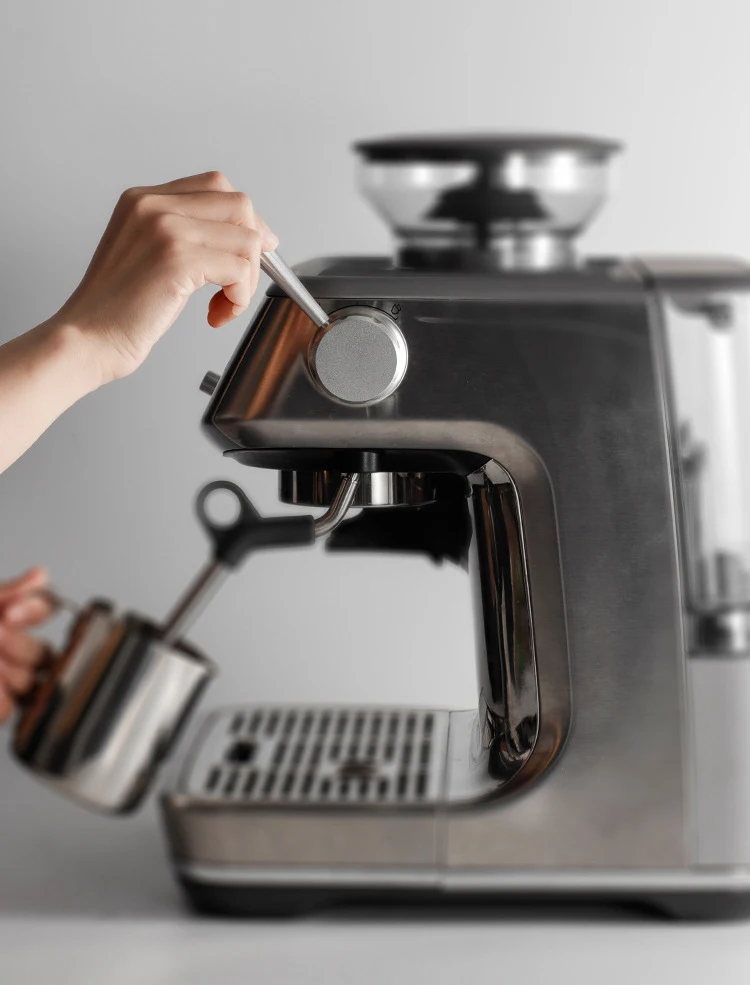
Experienced users have developed a workaround commonly known as the “steam knob trick” to simulate pre-infusion. This technique involves activating the pump while simultaneously opening the steam valve slightly. By diverting a portion of the water flow through the steam wand, the pressure at the group head is reduced. While this method can introduce water to the puck more gently, it is an imprecise and inconsistent hack. The resulting pressure is not regulated, the flow rate is unstable, and it can introduce thermal fluctuations in the boiler. It is a creative solution born from a design limitation, but it does not offer the repeatable, controlled conditions necessary for methodical espresso preparation.
Conclusion
Standard Gaggia machines are robust and capable platforms for producing excellent espresso, but they are not engineered for true, low-pressure pre-infusion. The core limitation stems from the direct-to-group design, which relies on a simple three-way solenoid valve that operates in a binary on/off fashion, and a vibratory pump with a rapid, uncontrolled pressure ramp-up. While manual workarounds exist, they lack the precision and repeatability required for consistent results. Understanding these mechanical constraints is the first step for any home barista looking to master their equipment. For those seeking to refine their puck preparation and extraction, a deep knowledge of their machine’s capabilities is essential, and various tools to improve consistency are available from papelespresso.com.