


How to dial in dark roast espresso on a Gaggia machine
Dialing in espresso is a process of precision, and dark roasts present a unique set of challenges, especially on a manual machine like a Gaggia. Unlike their lighter counterparts, dark-roasted beans are more soluble, more brittle, and far less forgiving of high temperatures. For the experienced home barista, mastering these beans is a rewarding exercise in control and sensory analysis. The goal is not just to pull a shot, but to unlock the rich, heavy-bodied flavors of chocolate, caramel, and toasted nuts without introducing the acrid, ashy bitterness that results from over-extraction. This guide provides a technical framework for achieving a balanced and repeatable dark roast espresso on a Gaggia machine, focusing on process rather than promises.
Understanding the properties of dark roasts
Success with dark roasts begins with understanding their physical and chemical composition. The extended roasting process significantly alters the coffee bean. The cellular structure becomes more porous and fragile, making the beans less dense and more prone to fracturing during grinding. This brittleness creates a higher volume of fine particles, which can impede water flow and easily lead to channeling or a choked shot if not managed properly.
Furthermore, dark roasts are highly soluble. The compounds that create their characteristic flavors are readily extracted, meaning the ideal taste profile is reached much faster than with a light or medium roast. This heightened solubility is a primary reason why standard brewing parameters often fail. Pushing the extraction too long or using water that is too hot will quickly strip the beans of all desirable flavors and move into harsh, bitter compounds. The prominent surface oils are another key characteristic, affecting everything from grinder performance to puck integrity.
Puck preparation for brittle beans
Your technique for preparing the espresso puck must be adapted to the fragile nature of dark roast grounds. The primary adjustment begins with the grinder. A coarser grind setting is almost always necessary compared to what you would use for a lighter roast. This compensates for the high solubility and the increased production of fines, allowing water to flow through the puck at an appropriate rate. If your shots are consistently choking or tasting overly bitter, your first and most significant adjustment should be to grind coarser.
Dosing should also be considered. A slightly lower dose, perhaps 16 to 18 grams in a standard double basket, can provide more headspace and reduce the risk of the puck fracturing under the intense pressure of the machine. When it comes to distribution, a gentle approach is critical. Aggressive tapping or distribution techniques can further break down the grounds. Focus on achieving a level, homogenous bed of coffee before tamping. A firm, level tamp is all that is required; excessive force will only compact the fines and invite channeling.
Managing temperature and pressure on a Gaggia
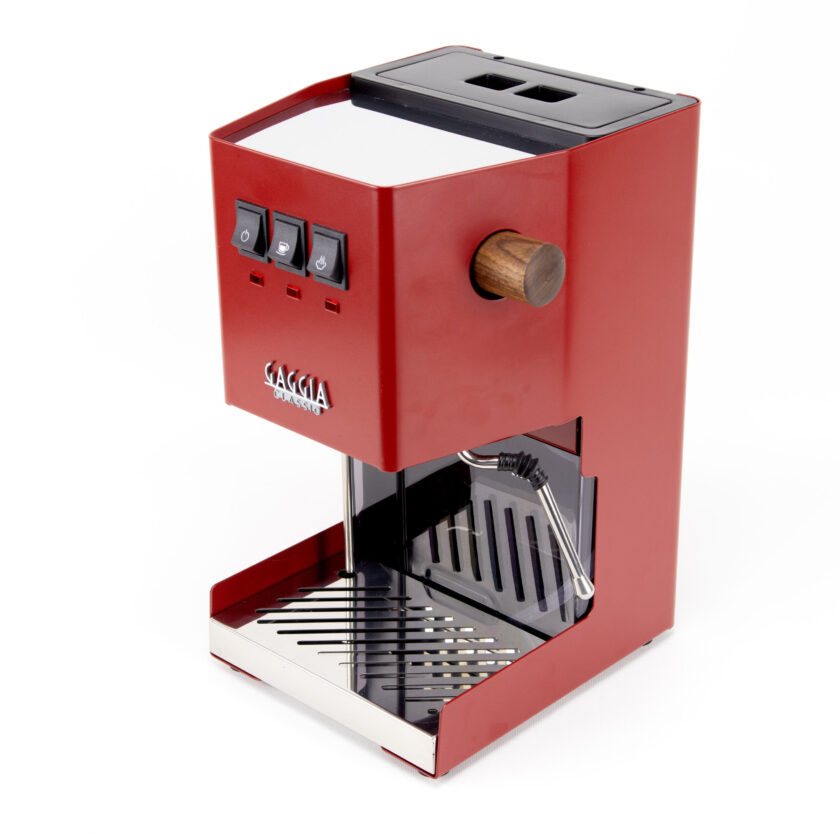
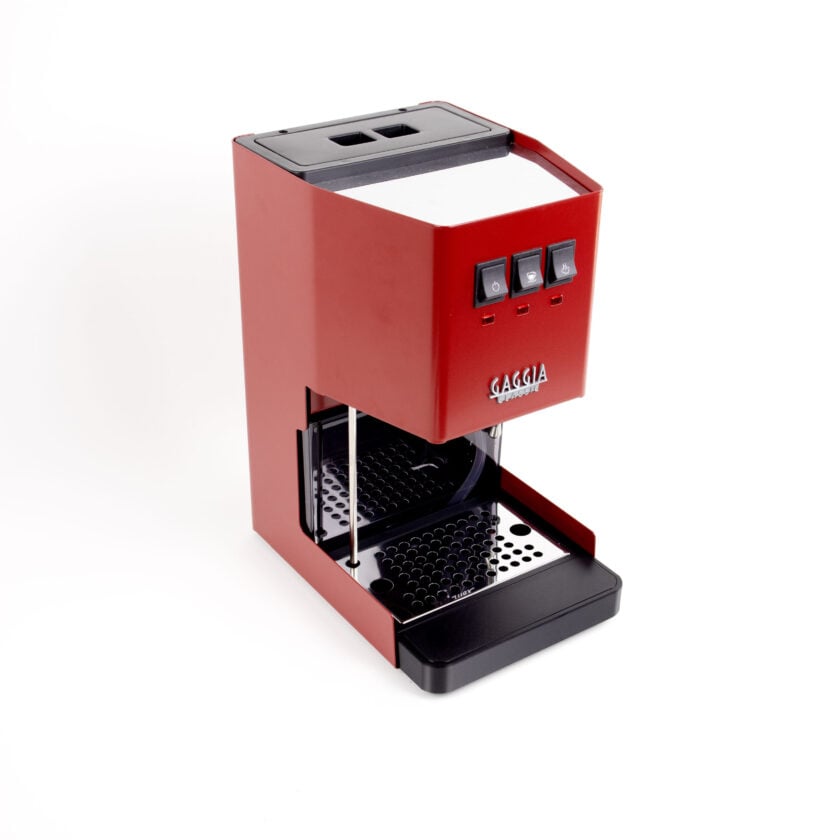
Gaggia machines are known for their powerful heating elements and robust build, but they require manual temperature management to avoid scorching dark roasts. These beans are extremely sensitive to heat, and brewing at temperatures above 93°C (200°F) will almost certainly produce an ashy, unpleasant result. For a stock Gaggia without a PID controller, this requires a technique often called temperature surfing.
A reliable method is to monitor the machine’s heating cycle.
- Turn on the brew switch and wait for the boiler-ready light to turn on, indicating the boiler is at its maximum temperature.
- Purge a few ounces of water through the grouphead until the light turns off. This cools the boiler and grouphead.
- Prepare your portafilter during this time. When the ready light comes back on, the boiler has reached temperature again.
- Wait approximately 10 seconds after the light comes on, then begin your extraction. This catches the water temperature on the lower end of its cycle, providing a more suitable temperature for the delicate dark roast.
Many Gaggia machines are also set to a high brew pressure from the factory, often well above the standard 9 bars. This aggressive pressure can be unforgiving with brittle dark roast pucks. Adjusting the over-pressure valve (OPV) to 9 bars is a common modification that provides a gentler, more controlled extraction.
Dialing in by ratio, time, and taste
With puck preparation and temperature addressed, the final stage is dialing in the shot itself. Taste, not just numbers, should be your ultimate guide. A good starting point for a dark roast is a 1:2 brew ratio extracted in a relatively short time frame.
| Parameter | Starting Point | Common Adjustments |
|---|---|---|
| Dose | 17g | Adjust based on basket size and headroom. |
| Yield | 34g | Reduce for more body; increase for clarity. |
| Time | 20–25 seconds | Shorter than typical light roast extractions. |
| Temperature | Approx. 90–93°C (195–200°F) | Lower to reduce bitterness and ashy notes. |
Pull your first shot using these parameters and taste it. The defining characteristic of a bad dark roast shot is an overwhelming, lingering bitterness.
- If it tastes harsh, acrid, or ashy: Your primary corrections should be to grind coarser or lower the brew temperature. You can also slightly reduce the yield (e.g., to a 1:1.8 ratio) to cut the shot before the bitter compounds extract.
- If it tastes weak or thin: Your first correction should be to grind finer. This will slow the shot and increase extraction. Ensure your puck preparation is even and your tamp is consistent.
Why dark roasts are different on a Gaggia Classic
Before we can fix the problem, we need to understand the cause. The bitterness you’re tasting is a direct result of over-extraction. This happens when the water pulls too many soluble compounds from the coffee grounds, including the unpleasant, bitter ones that extract last. Dark roast beans and the Gaggia Classic create a perfect storm for this to happen.
Firstly, dark roast beans are more brittle and porous than their lighter counterparts due to the extended roasting process. This makes them more soluble, meaning they give up their flavors to water much more quickly. Secondly, a stock Gaggia Classic Pro is factory-set to a very high brew pressure, often around 12-15 bars. While great for use with pressurized baskets, this high pressure forces water through the coffee puck aggressively, accelerating extraction even further. When you combine highly soluble beans with high-pressure water, you get a recipe for a fast, uneven, and ultimately bitter shot.
Adjusting your dose, grind, and ratio
With temperature and time under control, the final variables are in your portafilter. Many people’s first instinct when a shot runs too fast is to grind finer. With dark roasts, this is often the wrong move. Grinding too fine creates more surface area, speeds up extraction, and can lead to channeling and bitterness. Instead, try grinding slightly coarser than you would for a medium roast.
This may seem counterintuitive, but a coarser grind slows the rate of extraction itself, acting as a brake. You then compensate for the faster flow by increasing the dose. For a standard 58mm double basket, start with a dose of 18-20 grams. This larger dose provides more resistance to the water, helping to slow the shot down without relying on an overly fine grind.
Finally, adjust your brew ratio. Instead of the standard 1:2.5 or 1:3 ratio common for lighter roasts, aim for a tighter, more concentrated shot. A 1:1.5 to 1:2 ratio works beautifully for dark roasts. This means for an 18-gram dose, you would aim for a 27-36 gram liquid yield in your cup. This shorter pull captures the sweet, syrupy body of the coffee before the bitter notes have a chance to dominate.
| Parameter | Recommended starting point | Reasoning |
|---|---|---|
| Dose | 18-20 grams | Creates puck resistance to slow the shot without grinding too fine. |
| Grind | Slightly coarser than for medium roast | Reduces the risk of channeling and over-extracting soluble compounds. |
| Temperature | Surf to brew on the lower end of the cycle | Prevents scorching the delicate oils and sugars in the beans. |
| Yield (Output) | 27-36 grams (for an 18g dose) | A 1:1.5 to 1:2 ratio captures sweetness before bitterness emerges. |
| Time | 20-25 seconds | A shorter contact time minimizes the extraction of bitter compounds. |
Conclusion
Successfully dialing in a dark roast on a Gaggia machine is a matter of adapting your technique to the coffee’s inherent properties. It requires a coarser grind, meticulous and gentle puck preparation, and disciplined temperature management to avoid scorching the delicate flavor compounds. By starting with a 1:2 ratio in a 20–25 second window and adjusting based on taste, you can move beyond generic parameters and tune your process to the specific bean you are using. Mastering these variables allows a capable machine like a Gaggia to produce consistently rich, balanced, and satisfying espresso. For baristas seeking to enhance their workflow, specialized tools designed for consistent puck preparation are available from retailers like papelespresso.com.