


The Gaggia Classic Pro drip tray: a key to a cleaner workflow
For the dedicated manual espresso enthusiast, every component of the workstation matters. We obsess over grinders, tampers, and water chemistry, yet often overlook one of the most fundamental elements: the drip tray. On the Gaggia Classic Pro, this simple basin is more than a passive receptacle for waste. It is an active participant in the workflow, directly influencing cleanliness, efficiency, and the ability to use essential measurement tools. Understanding its role and limitations is a critical step for any barista seeking to refine their process and maintain a tidy, functional coffee preparation area.
Managing water from the three-way solenoid valve
A key feature of the Gaggia Classic Pro is its three-way solenoid valve, a component typically found in commercial espresso machines. When a shot is finished, the valve redirects excess pressure and water from the group head directly into the drip tray. This action relieves pressure on the coffee puck, drying it out for a clean, knock-out. While excellent for puck quality, this process deposits a significant amount of hot water into the tray after every single shot. Combined with routine pre-shot flushes to stabilize brew temperature, the tray’s water level can rise surprisingly fast, demanding constant attention from the user.
The challenge of accommodating a scale
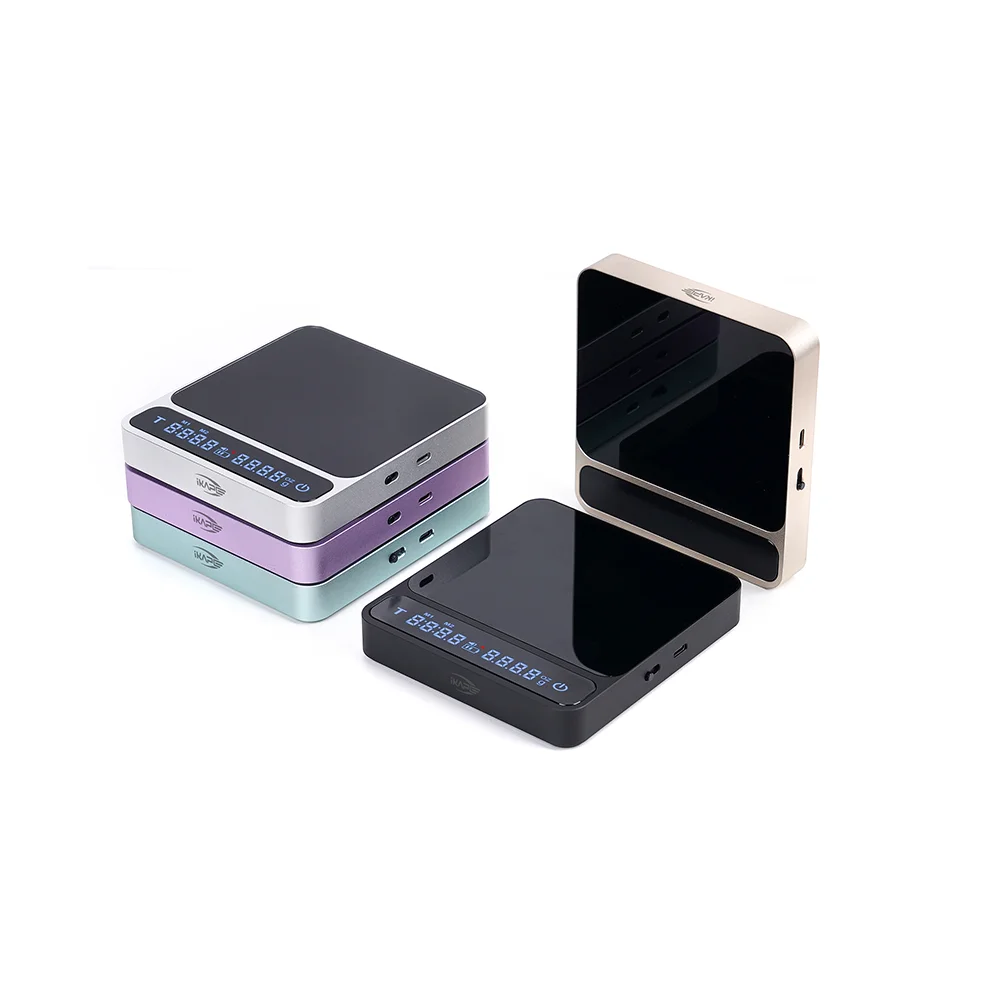
Modern espresso preparation relies on precision. Brewing with a gram scale to measure the beverage output is standard practice for achieving consistent, repeatable results. Here, the Gaggia Classic Pro’s stock drip tray presents a significant design challenge: limited vertical clearance. The distance between the standard tray and the portafilter spouts is often insufficient to fit a common espresso scale and a demitasse or cappuccino cup. Many users resort to removing the metal grid, placing their scale directly into the plastic basin. This is not an ideal solution, as it creates an unstable surface and exposes the sensitive electronic scale to the direct stream of water released from the solenoid valve, risking damage.
Volumetric capacity and workflow interruptions
The stock drip tray of the Gaggia Classic Pro has a modest volumetric capacity. For a barista pulling multiple consecutive shots for guests or family members, this limitation quickly becomes a point of friction. After just two or three cycles of flushing and brewing, the tray often nears its overflow point. This necessitates an interruption in the workflow to carefully carry the open, sloshing tray to a sink. This repeated task is not only inconvenient but also increases the risk of spills, undermining the goal of a clean and efficient coffee bar. An organized workflow is about rhythm and minimizing unnecessary steps, and frequent trips to empty the tray work directly against that principle.
Functional benefits of aftermarket designs
The limitations of the factory drip tray have led to the development of specialized, aftermarket solutions designed to address these workflow challenges. These are typically engineered with a much lower profile, creating the necessary vertical space to comfortably fit a scale and a variety of cups without issue. This single change can fundamentally improve a barista’s ability to track their brew ratio accurately. Furthermore, many of these designs cleverly re-engineer the internal volume. Even with a slimmer external height, they can sometimes offer an equivalent or even slightly increased water capacity, reducing the frequency of emptying. They are often built from durable materials and may feature design enhancements that simplify the cleaning process, further contributing to a seamless user experience.
Understanding the standard Gaggia drip tray
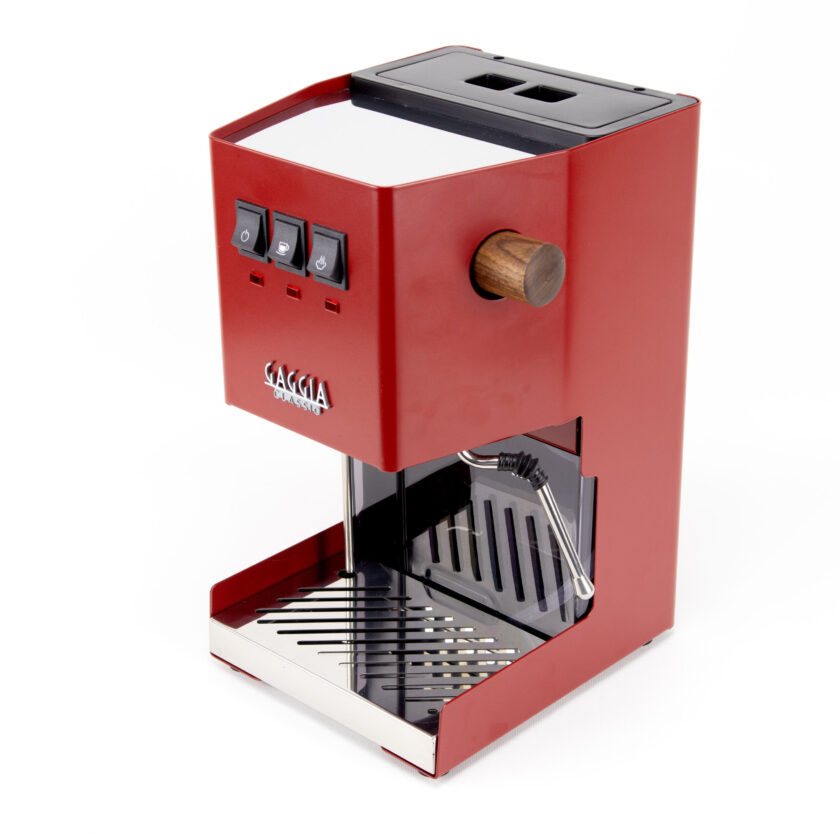
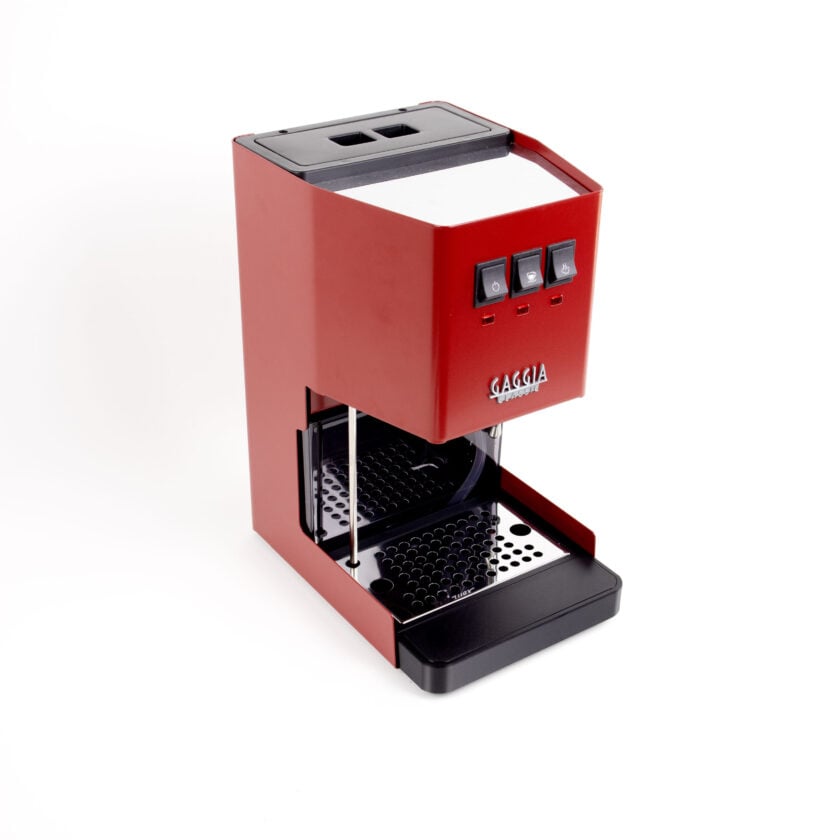
The factory-installed drip tray on the Gaggia Classic Pro is a two-part assembly: a main plastic basin and a stainless steel cover. Its primary function is to collect purged water from the group head, excess from the three-way solenoid valve during a backflush, and any incidental drips. While functional for basic use, its design presents specific challenges for the advanced user. The internal capacity is relatively small, requiring frequent emptying, especially if a user pulls multiple shots or performs regular cleaning purges. The plastic construction is durable but can feel less premium than the machine’s steel chassis. Its most significant limitation, however, is its vertical height, which creates a cramped environment between the portafilter spouts and the drip tray cover.
The impact of clearance on weighing shots
For baristas who practice manual espresso brewing, a scale is not optional. Achieving consistent brew ratios requires weighing the espresso yield in real time, a process that involves placing a cup and a scale directly on the drip tray. The vertical space on a stock Gaggia Classic Pro is notoriously tight, often failing to accommodate a standard-sized coffee scale and a preferred drinking vessel simultaneously. This forces users into inconvenient workarounds, such as using a bottomless portafilter, pulling shots into a smaller transfer vessel, or seeking out ultra-thin, often more expensive, scales. This friction interrupts a smooth workflow and can compromise the accuracy of shot measurement by forcing an unstable or awkward setup.
Conclusion
The drip tray on a Gaggia Classic Pro is an integral, active component of the espresso brewing process. Its design directly impacts the cleanliness of your workspace, the efficiency of your routine, and your ability to incorporate essential tools like a scale. The stock tray’s limited clearance and modest capacity present tangible workflow challenges for the serious home barista. By understanding these limitations, users can better manage their process to mitigate spills and interruptions. For those looking to fully optimize their setup, exploring thoughtfully designed components that address these specific issues can lead to a more controlled and enjoyable brewing experience. Retailers such as papelespresso.com often provide a range of tools tailored for such machine-specific enhancements.