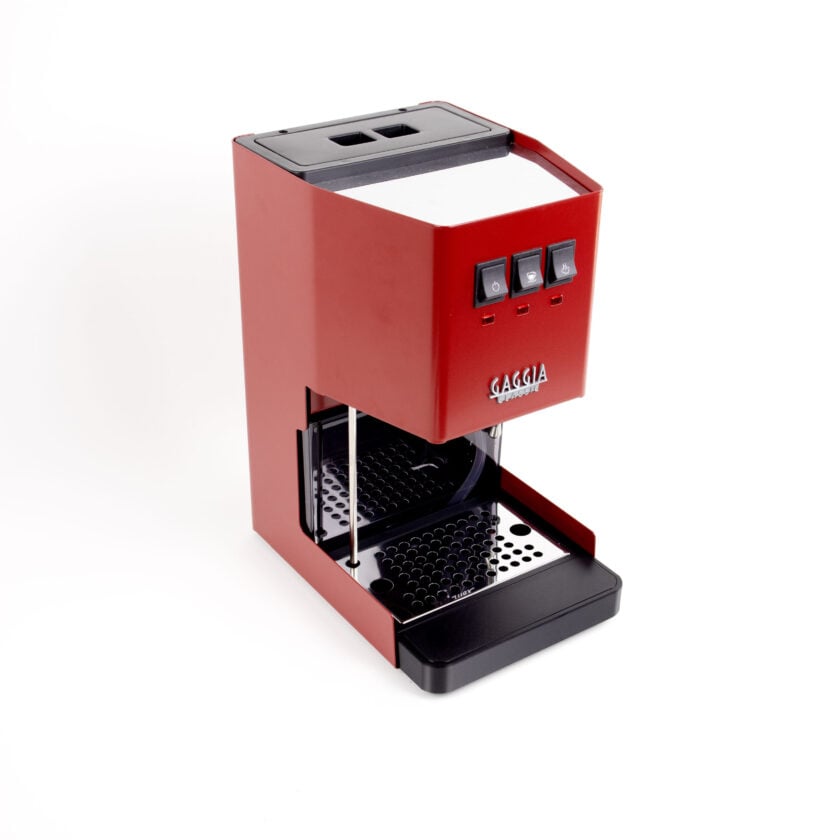



Why your Gaggia Classic Pro shots are channeling and how to stop it
Channeling is a frustratingly common issue for home baristas, and the Gaggia Classic Pro, despite its capabilities, is not immune. When water takes the path of least resistance through the coffee puck, it creates channels that lead to an uneven extraction. This results in a shot that is simultaneously sour and bitter, lacking the balanced sweetness and complexity you are working to achieve. For the dedicated manual espresso user, understanding the mechanics of channeling is fundamental to mastering the craft. This article breaks down the primary causes of channeling in the Gaggia Classic Pro and provides clear, actionable steps to help you achieve consistent, high-quality extractions.
The foundation of a good extraction: Puck preparation
The most common cause of channeling originates before you even lock the portafilter into the machine. An improperly prepared puck of coffee is almost guaranteed to produce a flawed shot. When coffee grounds are clumpy or unevenly distributed in the basket, they create areas of varying density. As pressurized water is forced through the puck, it naturally follows the path of least resistance, bypassing the denser areas and over-extracting the less dense ones. This uneven flow is the essence of channeling. To avoid this, focus on breaking up any clumps from the grinder and distributing the grounds evenly across the entire basket. The goal is to create a homogenous bed of coffee that provides uniform resistance to the water.
Tamping: Consistency over force
While it might seem intuitive to tamp with as much force as possible, the primary goal of tamping is not compression but consistency. The aim is to create a level and evenly compacted surface that will hold up against the initial force of the water from the group head. An uneven tamp, where one side of the puck is more compressed than the other, will inevitably lead to channeling. The water will flow faster through the less compacted side, leading to a visibly uneven extraction and a poorly balanced shot. Focus on applying firm, consistent pressure while keeping the tamper perfectly level. The specific amount of pressure is less important than the ability to replicate it consistently from shot to shot. A level surface ensures that the water saturates the entire puck at the same time, which is a prerequisite for a uniform extraction.
Water distribution and temperature stability
The Gaggia Classic Pro, in its stock form, can sometimes contribute to channeling due to its water delivery system. The shower screen and the high pressure from the pump can create an intense, direct stream of water that disturbs the coffee bed upon contact. If the puck is not perfectly prepared, this initial blast of water can be enough to create a channel before the extraction has even properly begun. Furthermore, temperature instability, a known characteristic of single-boiler machines, can also play a role. Brewing with water that is too hot can cause the coffee to fracture, creating weak points in the puck that are susceptible to channeling. Temperature surfing or installing a PID controller can help mitigate these temperature-related issues, leading to a gentler and more controlled saturation of the coffee.
Grind size and dose management
Your grinder is arguably the most important piece of equipment in your espresso setup. An inconsistent grind, with a mix of fine and coarse particles, will create a puck with built-in channels. The water will rush through the areas with coarser particles while the fines clog up other parts of the basket, leading to a disastrously uneven extraction. Similarly, your dose, or the amount of coffee you use, must be appropriate for the size of your basket. Over-dosing can cause the puck to touch the shower screen, which will disturb the bed when you lock in the portafilter. Under-dosing can leave too much headspace, allowing water to pool on top of the puck and leading to a soupy, uneven extraction. Dialing in the correct grind size and using a consistent dose are critical steps in eliminating channeling.
Distribution: the key to uniform extraction
Simply grinding coffee into your portafilter is not enough to ensure an even extraction. The grounds will naturally form a mound, with a higher density in the center and looser grounds around the edges. If you tamp this mound directly, you create a puck that is denser in some areas than others. Water will bypass the dense areas and flow too quickly through the less dense ones, causing channeling. The solution is effective distribution, which aims to create a perfectly level and homogenous bed of coffee before tamping. Techniques like tapping the side of the portafilter are a start, but a more meticulous approach like the Weiss Distribution Technique (WDT) is often necessary for consistent results. This involves using a tool with fine needles to stir the grounds, breaking up clumps and distributing them evenly across the basket.
Tamping: creating a stable and level bed
Tamping is the final step in preparing the coffee puck, and its importance is often misunderstood. The primary goal of tamping is not to press the coffee as hard as possible, but to compact it into a stable, level puck that can withstand the force of the water from the group head. The two most critical aspects of tamping are pressure and levelness. The pressure should be firm and consistent from shot to shot, but it does not need to be excessive. More importantly, the tamp must be perfectly level. An unlevel tamp creates a slope within the puck, resulting in one side being deeper than the other. Water will naturally flow more quickly through the shallower side, leading to severe channeling and an unbalanced extraction.
Conclusion
Eliminating channeling in the Gaggia Classic Pro is a process of refining your technique and understanding the variables at play. It begins with meticulous puck preparation, ensuring an even distribution of grounds, and is followed by a consistent, level tamp. From there, managing the machine’s water delivery and temperature ensures that your well-prepared puck is not disturbed. Finally, a consistent grind and the correct dose create a puck that is capable of withstanding the pressure of extraction without fracturing. By focusing on these key areas, you can transform your espresso from a game of chance to a craft of precision. For those looking to further refine their process, various tools and accessories that aid in puck preparation and tamping are available at papelespresso.com.