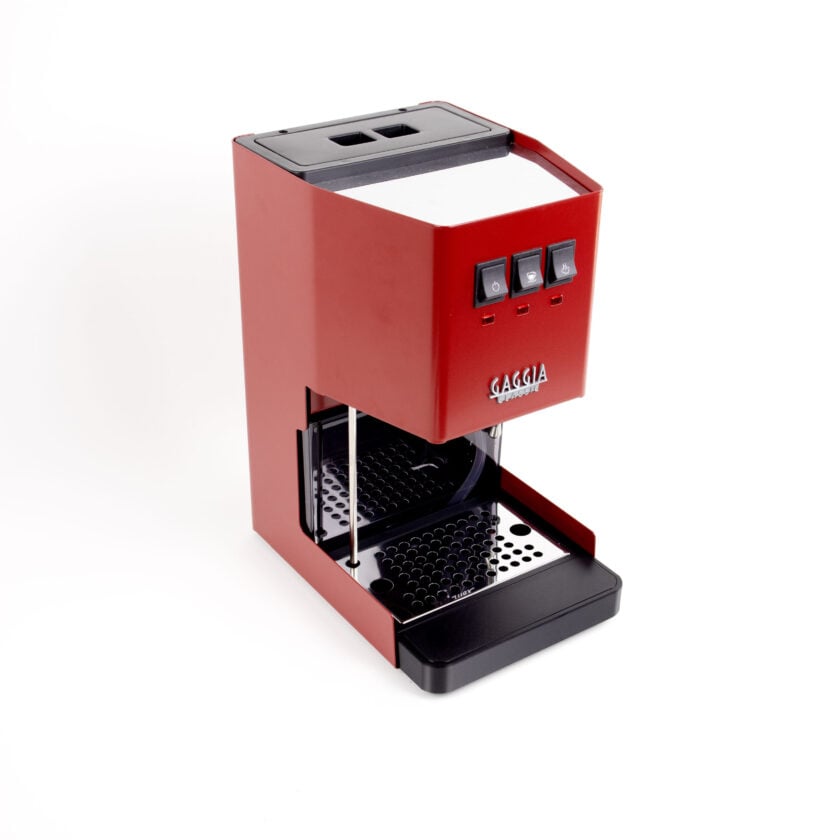



Pulling back-to-back shots on a Gaggia single boiler
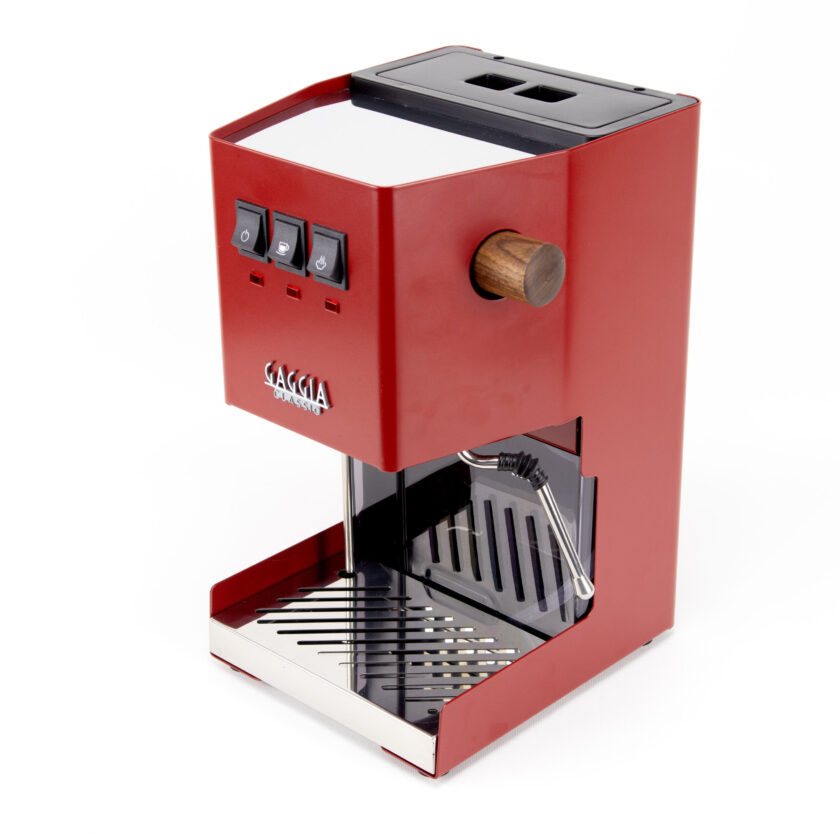
The Gaggia single boiler espresso machine is a staple in the home barista community for its simplicity, repairability, and impressive capability. However, its single boiler dual-use (SBDU) design presents a specific thermal management challenge, particularly when preparing multiple milk-based drinks. The boiler cannot simultaneously produce brew-temperature water and steam. Serving guests or even just making two cappuccinos in a row requires a clear, repeatable workflow to manage the boiler’s temperature. This article provides a technical guide for experienced users to navigate this process, ensuring that the second shot of espresso is just as good as the first, without guesswork or long waiting times.
Understanding the thermal challenge
A Gaggia single boiler, like the Classic Pro, uses one heating element inside a small boiler to produce water for both brewing and steaming. Brewing requires water at a precise temperature, typically between 90-96°C (194-205°F). Steaming, however, requires the boiler to heat beyond the boiling point to produce pressurized steam, reaching temperatures of 140°C (284°F) or higher.
After you have steamed milk for your first drink, the boiler and the water within it are superheated well above the acceptable range for brewing espresso. If you attempt to pull a second shot immediately, this excessively hot water will scald the coffee grounds. The result is a bitter, over-extracted, and unpleasant shot. The key to pulling a successful second shot is actively and efficiently cooling the boiler back down to a stable brew temperature.
The post-steam cooling flush workflow
The most effective method for pulling consecutive shots is to brew, steam, and then immediately prepare the machine for the next shot. This involves a technique often called a cooling flush, which uses fresh, unheated water from the reservoir to rapidly cool the overheated boiler. The process requires attention but becomes second nature with practice.
- Prepare your second shot: Before you begin, have your portafilter dosed, distributed, and tamped for the second shot. Time is of the essence once the first drink is complete.
- Steam your milk: After pulling your first espresso shot, engage the steam switch. Wait for the machine to reach temperature, then steam the milk for your first drink.
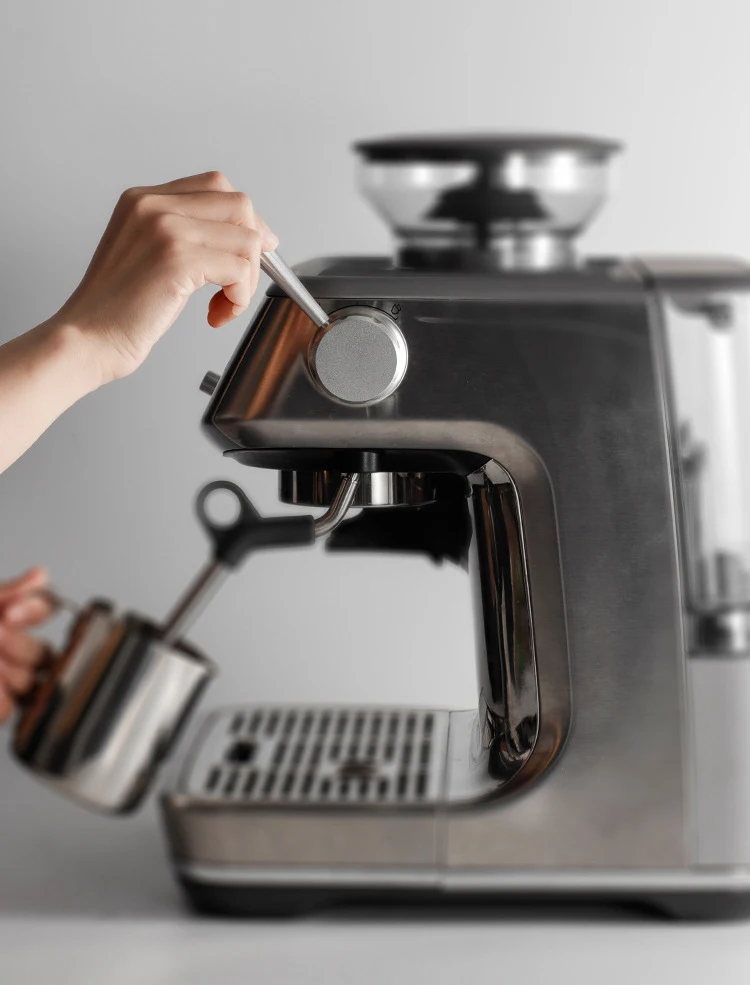
- Initiate the cooling flush: Once you are finished steaming, turn the steam switch off. Immediately place a large, empty cup under the steam wand and open the steam knob. At the same time, activate the brew switch. This dual action forces cool water from the reservoir into the boiler, which then exits through the steam wand.
- Observe the output: At first, you will see sputtering steam and very hot water exit the wand. As the cooler reservoir water enters the boiler, the output will transition into a steady stream of clear, liquid water. This is the visual cue that the boiler temperature is dropping significantly.
- End the flush: Once the water from the steam wand is a consistent stream and no longer aggressively steaming, close the steam knob and turn off the brew switch. The indicator light for brewing will likely turn on, signaling that the thermostat has engaged the heating element to bring the boiler back up to its target brew temperature.
- Pull the second shot: Wait for the brew indicator light to turn off. This signals that the boiler is ready. Insert your prepared portafilter and pull your second shot.
This entire flushing process should take less than 30 seconds and provides a reliable way to get back into the correct brewing temperature range quickly.
An alternative method: Batching shots
An alternative workflow, which some users may find less frantic, is to separate the brewing and steaming tasks completely. Instead of making each drink from start to finish, you can pull both of your espresso shots first and then steam the milk for both drinks afterward.
- The process: Pull your first shot as usual. Quickly knock out the used puck, wipe the basket, and prepare your second shot. Pull the second shot. Only after both espresso shots are ready do you engage the steam switch, wait for the machine to heat up, and steam milk for both drinks in one larger pitcher or two separate smaller ones.
- The trade-off: The primary advantage here is thermal simplicity. You do not need to perform a cooling flush, as the boiler remains at brew temperature for both shots. The disadvantage is that your espresso begins to cool and its delicate crema starts to dissipate while you are heating the machine and steaming milk. For some, this degradation in shot quality is a significant compromise. For others, the simpler workflow is worth it, especially in a busy setting.
Achieving greater consistency
For the home barista focused on precision, the standard cooling flush is just the starting point. The exact temperature of the water hitting your coffee puck will depend on how long you flush and the precise moment you pull the shot relative to the heating cycle. Experienced users call this “temperature surfing.” By slightly varying the duration of the cooling flush, you can influence the starting temperature of your brew water.
While the machine’s stock thermostat provides a functional range, it does have a temperature deadband. This means the heater turns on and off within a range of several degrees. Pulling the shot at the moment the light turns off versus 15 seconds later can yield different results in the cup. Mastering this requires practice and careful observation, but it is the key to unlocking the highest level of consistency from a single boiler machine.
Conclusion
Successfully making multiple drinks on a Gaggia single boiler is not about waiting for the machine to cool on its own; it is about taking active control of its thermal state. The post-steam cooling flush is the most immediate and effective technique, allowing you to move from steaming back to brewing in under a minute. Alternatively, batching espresso shots first offers a simpler, albeit potentially compromising, workflow. Understanding these methods empowers you to minimize downtime and, more importantly, ensures your second drink is crafted with the same precision as the first. For those seeking to further enhance their machine’s consistency, a range of useful tools and accessories can be found at papelespresso.com.